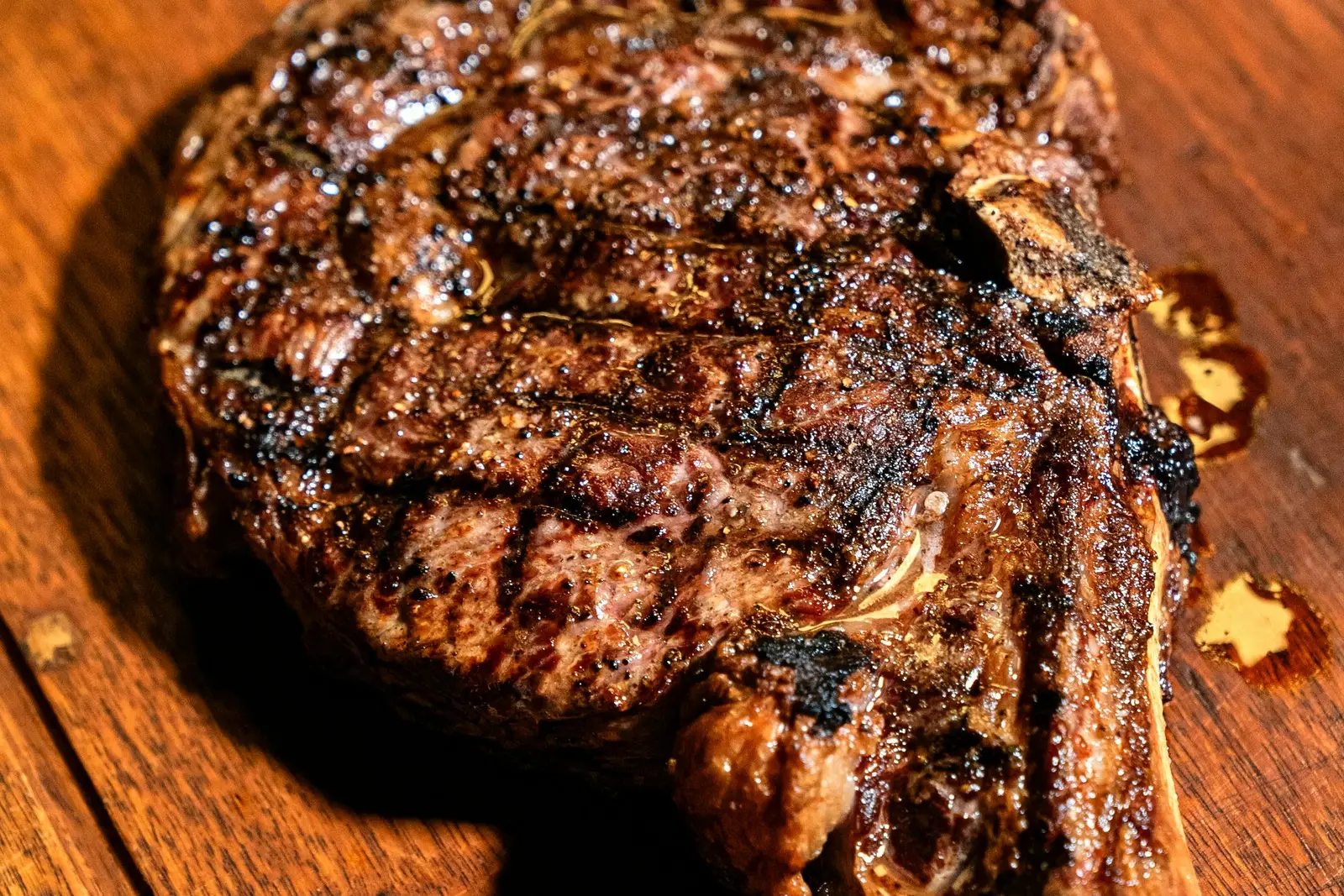
Ribeye vs New York Strip and What Each Does Best
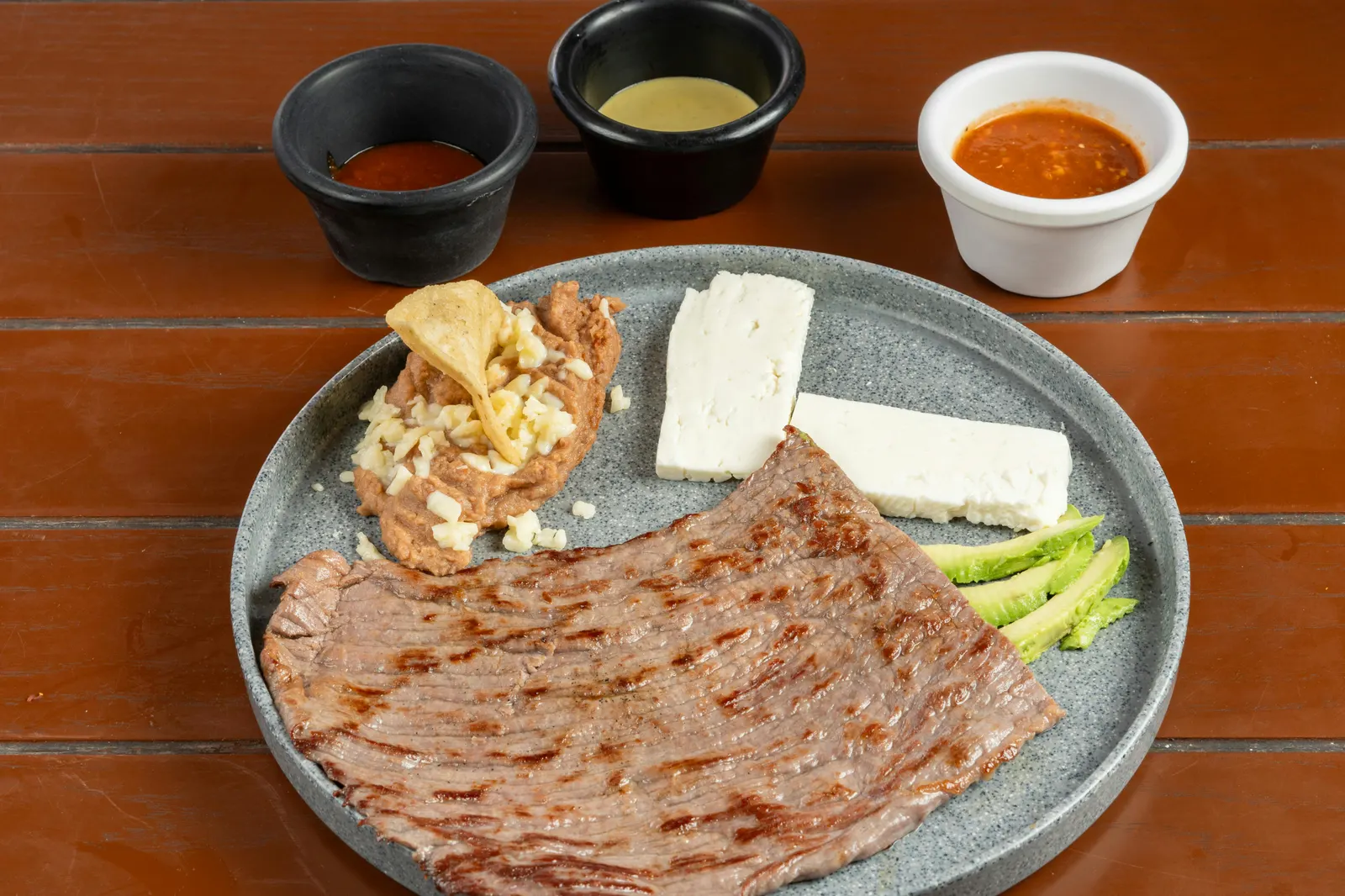
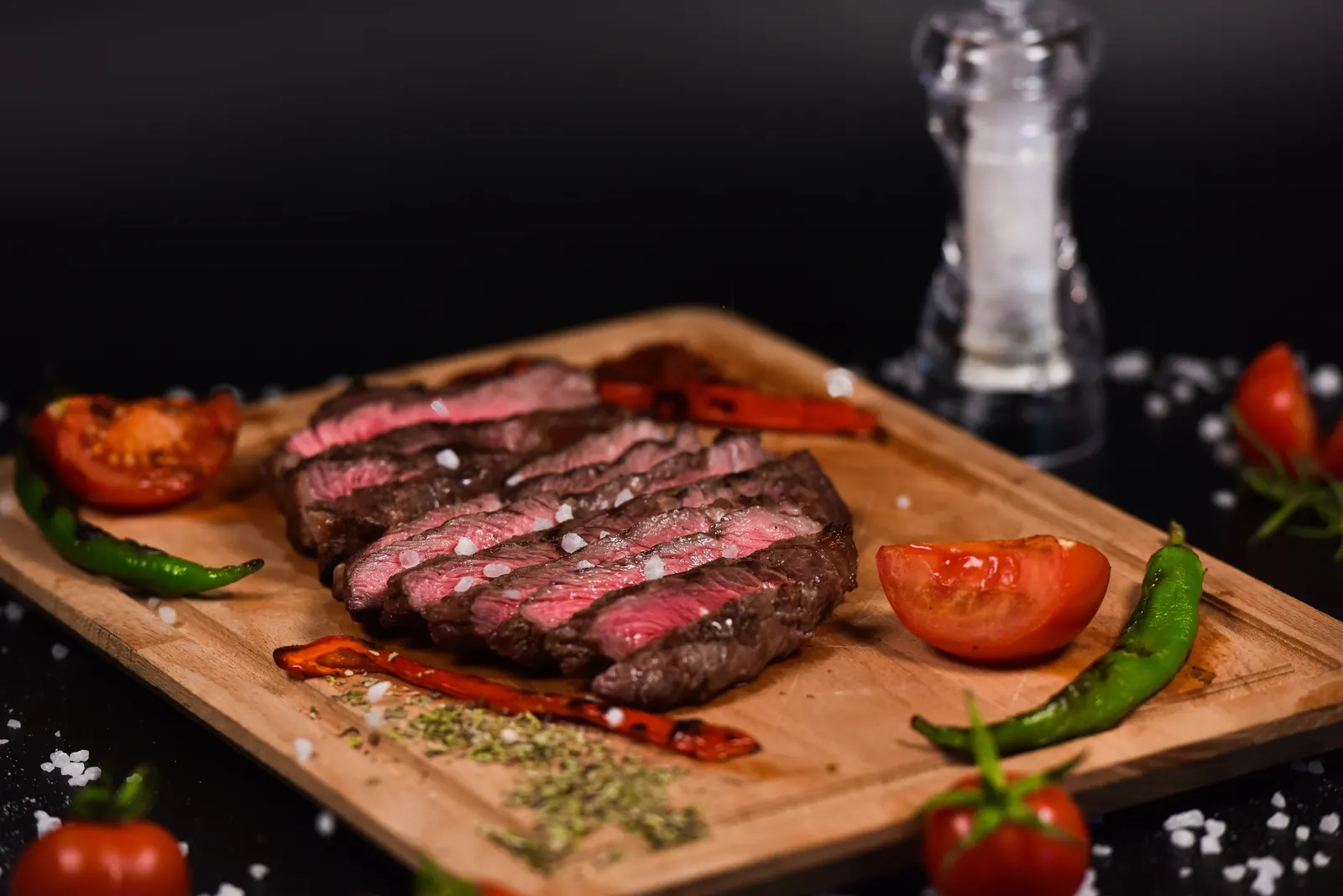
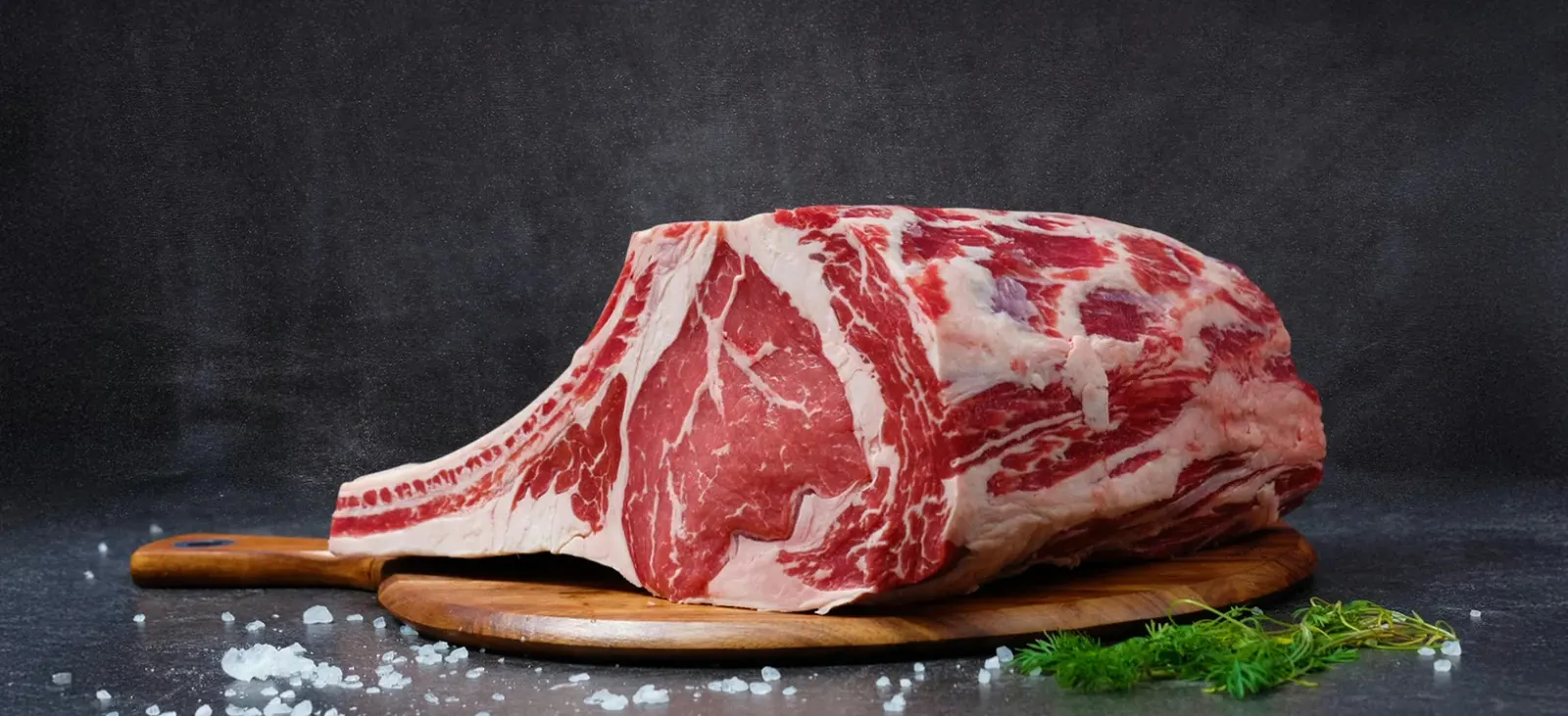
Ribeye vs New York Strip looks like a coin flip and isn't. The fat, the crust, the flavor, and when the more expensive cut is actually the smarter buy.
Section
Recipes, technique, and craft.
Ribeye vs New York Strip looks like a coin flip and isn't. The fat, the crust, the flavor, and when the more expensive cut is actually the smarter buy.
Hanger steak vs skirt steak look almost the same at the counter and cook nothing alike. The cuts explained, plus which one wins for tacos, fajitas, or steak night.
Prime vs choice beef: what the USDA grades actually mean, when the upgrade is worth it, and when a well-marbled Choice eats better than Prime.
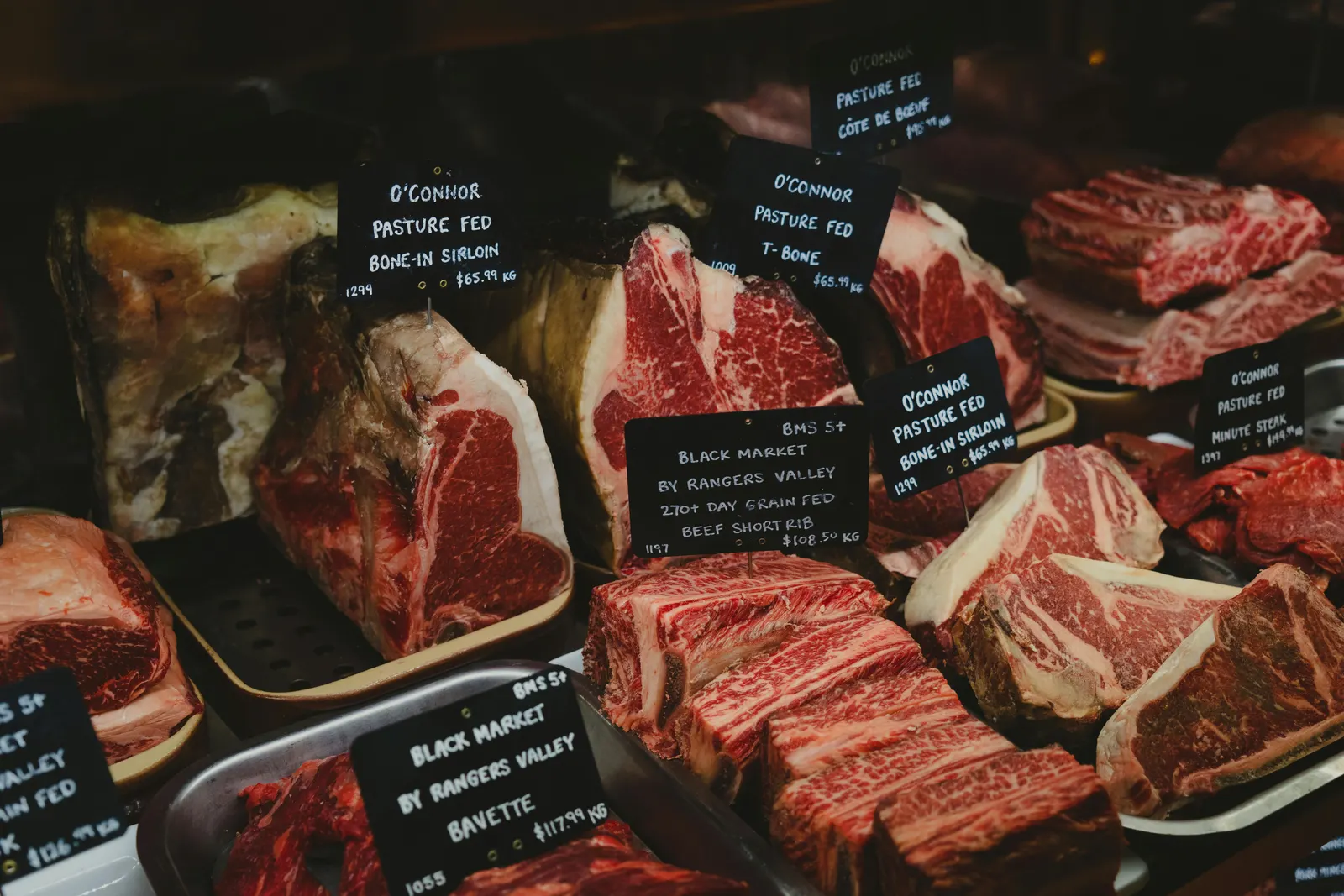
What makes a good steak comes down to marbling, thickness, freshness, and source. A former chef on what to look for and why the butcher beats the supermarket.
The best cuts of beef for any occasion: a former chef's guide to which cut fits which meal, from grilling and steakhouse dinners to weeknight cooking and Sunday braises.
How to learn to cook without using a single recipe: the four principles, the senses, and the daily practice that builds a confident cook from scratch.
Broke meals fed me growing up poor in Queens. A chef's guide to eating genuinely well on almost nothing: cheap proteins, a smart pantry, and real flavor.
Score your Mediterranean diet adherence with a 13-question quiz, get a printable pantry checklist, and read what 30+ years of research actually says.
Acid in food does five things at once: brightens flavor, cuts richness, balances sweetness, denatures protein, slows browning. The chef's full guide.
A five-part formula that turns any combination of fridge leftovers, vegetables, and pantry staples into a coherent pot of soup. No recipe required.
Cooking for one is its own skill, not a scaled-down family dinner. The pantry system, the shopping shift, and the staff-meal habit that end the waste.
The French kitchen phrase translated literally is 'put in place' — but the practice it describes is the single biggest difference between professional kitchens and most home cooking.
The four-step technique that turns the brown bits in any pan into a sauce — adapted for steak, chicken, fish, and pork. The single most useful sauce skill in any kitchen.
Most home cooks read a recipe in order, top to bottom. Professional kitchens read recipes structurally — extracting the sequence, the timing, and the constraints before they start. The skill is learnable.
Onion, carrot, celery, fat, time. The Italian foundation that anchors most of the cuisine — and the technique most home cooks rush through, costing the dish its depth.
Three theories of pre-salting a steak, the science behind each, and one definitive answer your grandmother already knew — with the timing, technique, and salt that actually matter.
The minimal but real pantry that gets you through a month of cooking — oils, vinegars, salts, spices, condiments. What's worth buying once, and what to skip.
What does al dente mean? It isn't a texture, it's a moment in the starch-gelation curve. How to find it without a stopwatch, and why package time is wrong.
A no-knead bread that fits in any oven, any schedule, and any level of confidence — the four-ingredient recipe, the science of why it works, and the only piece of equipment you actually need.