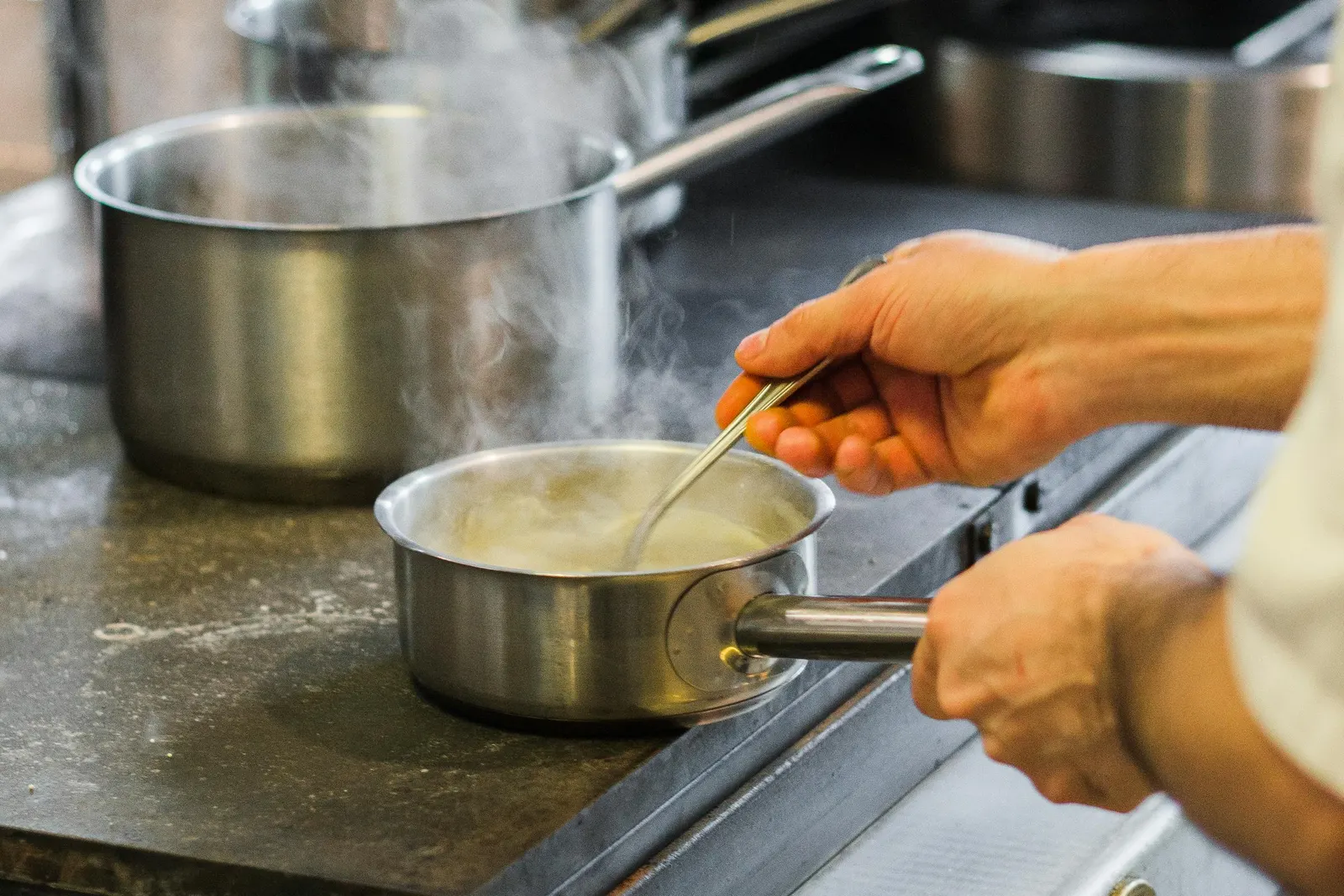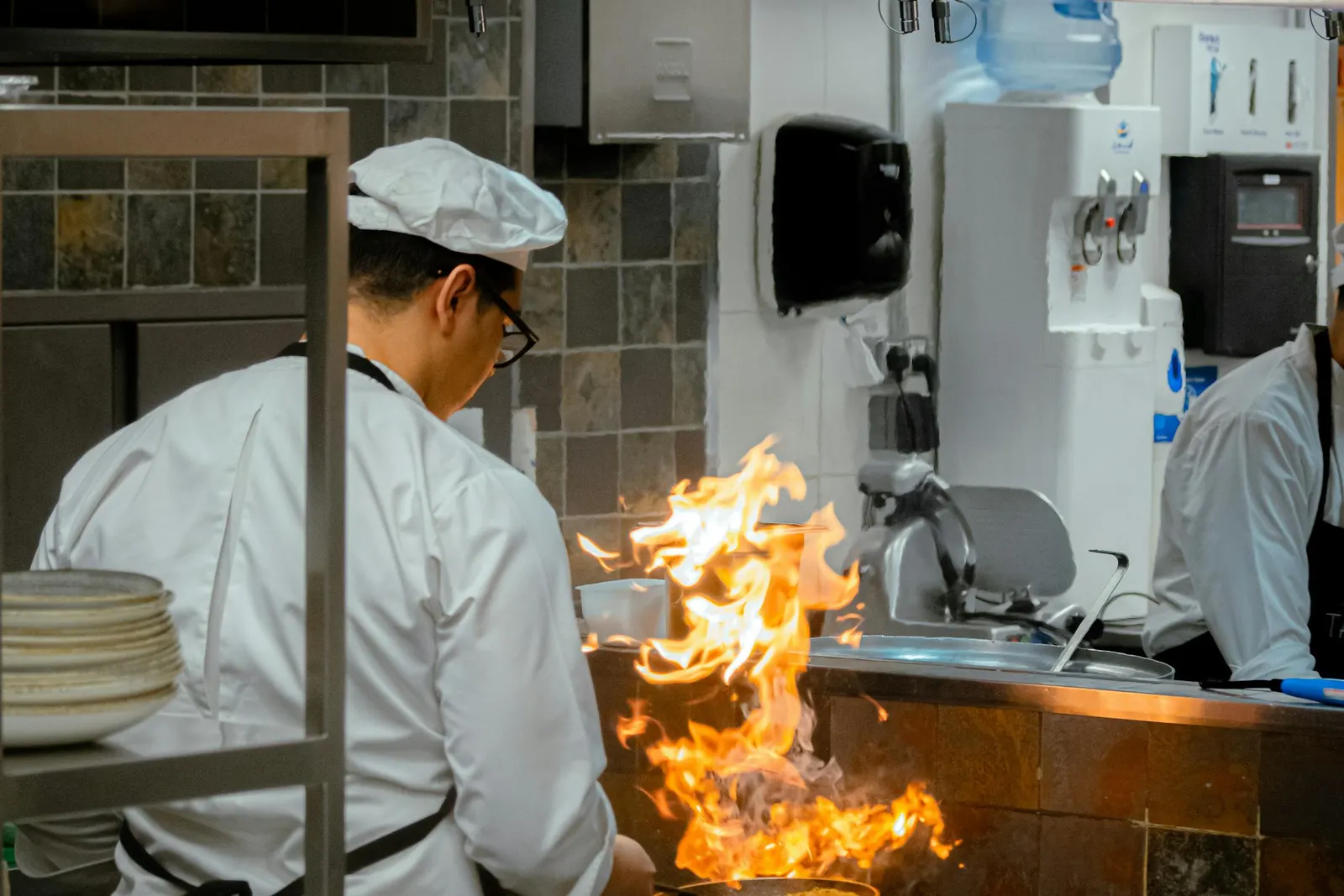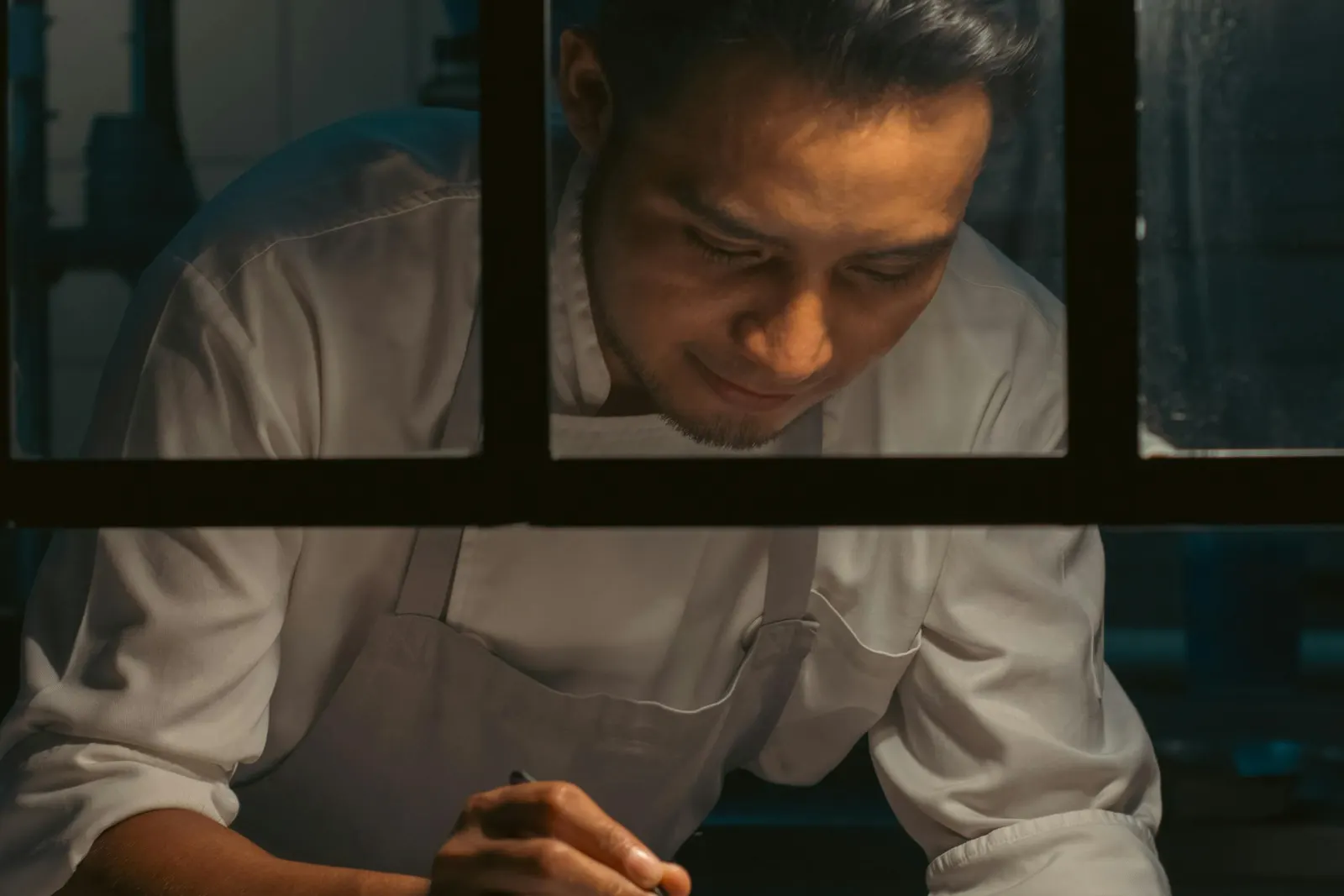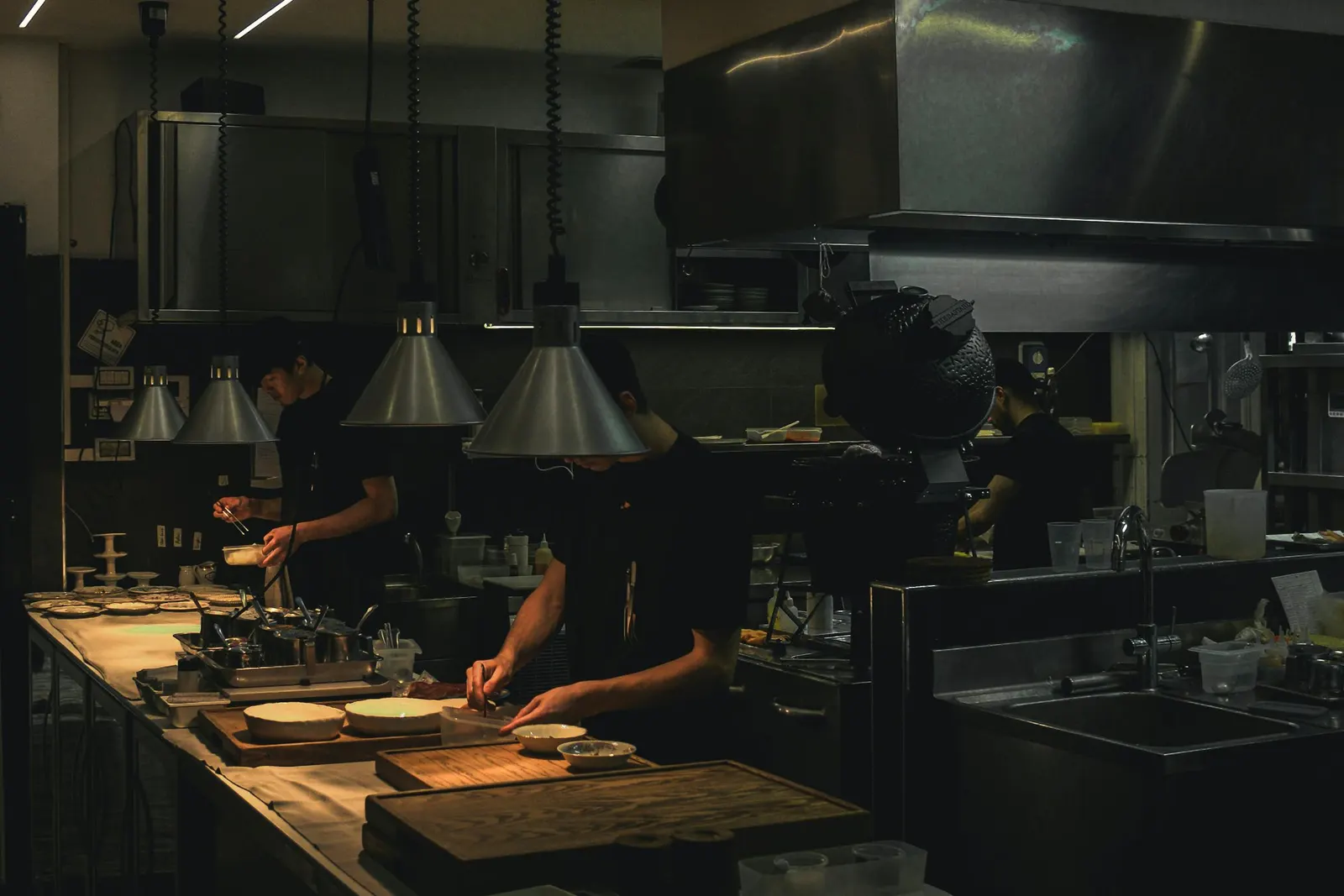
Working at an Industry Bar, and Why You Should Visit One
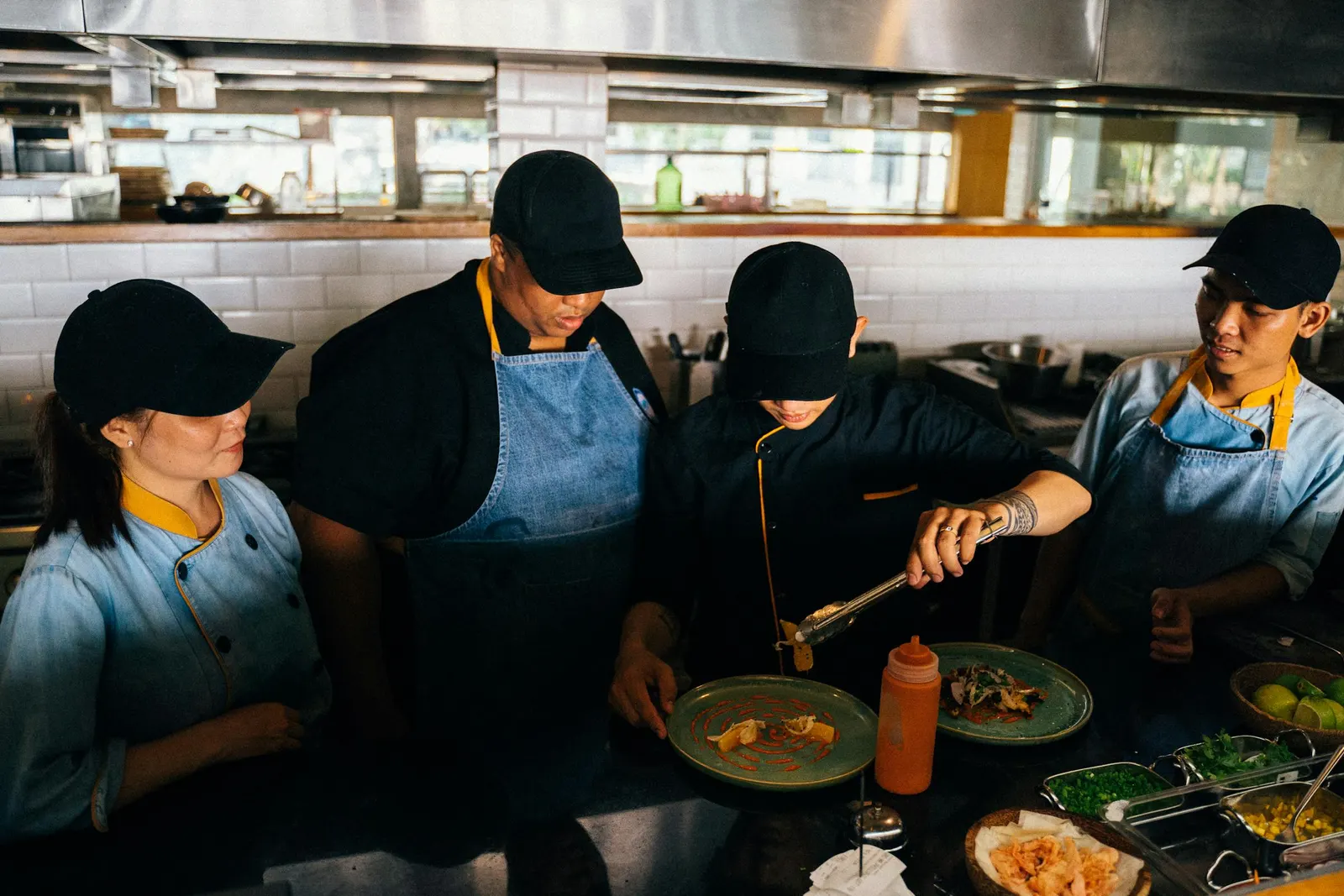
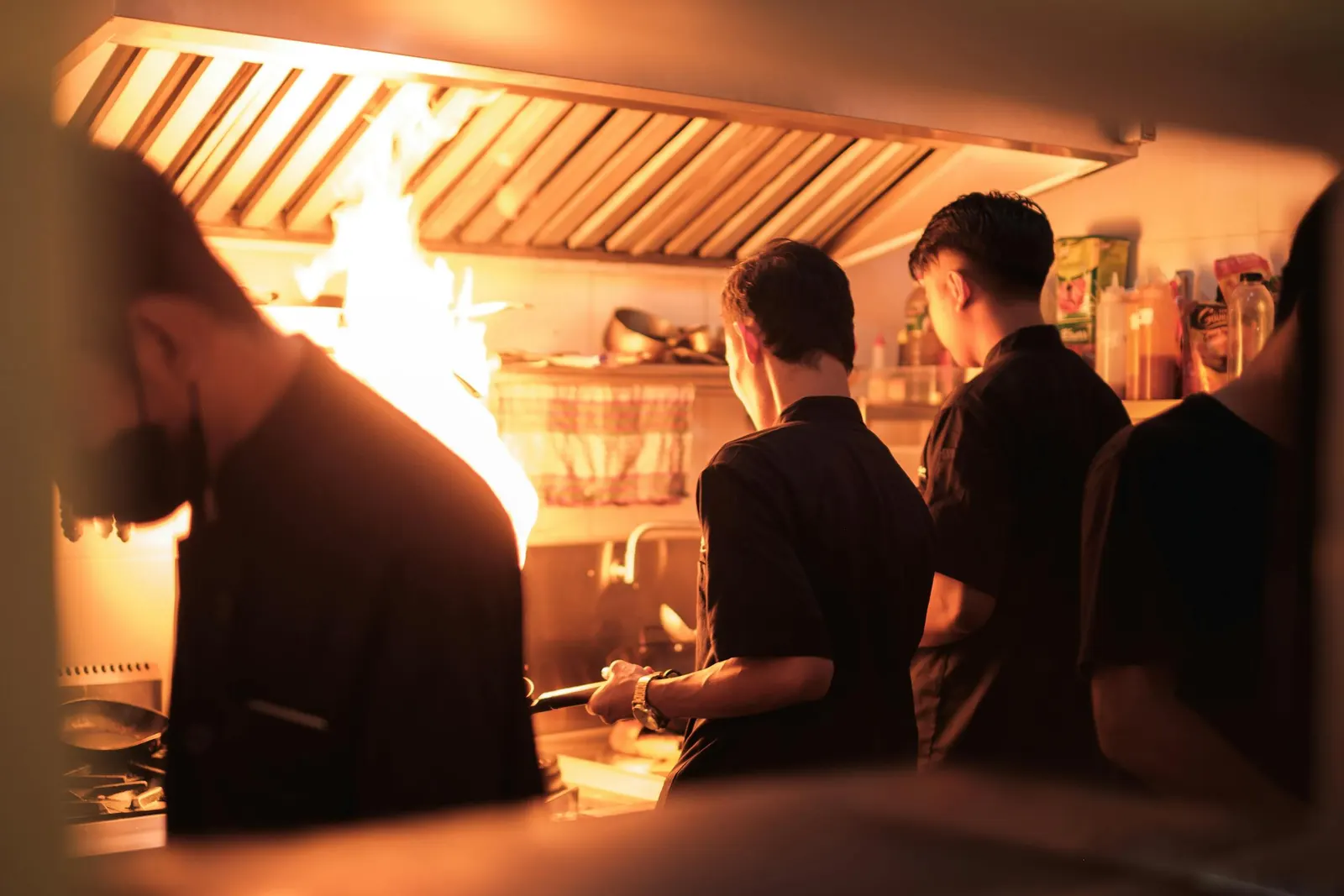
What an industry bar actually is, what I saw working at one in NYC for years, and why these late-night kitchens are some of the best rooms to visit.
Section
Restaurants, hospitality, and the business of food.
What an industry bar actually is, what I saw working at one in NYC for years, and why these late-night kitchens are some of the best rooms to visit.
What a saucier is, why the sauce station was historically the most respected in the kitchen brigade, and what survives in modern restaurant kitchens today.
What a chef de partie does, where the station chef sits in the kitchen brigade, and what the classical roles (saucier, garde manger, grill) look like today.
What a chef de cuisine actually does in a modern restaurant kitchen, how the role differs from an executive chef, and what it takes to get there.
What a sous chef actually does in a modern restaurant: running service, managing prep, coaching the line, and stepping in on any station that needs it.
What the kitchen brigade system actually is, who's in it, and how much of Escoffier's structure still runs a modern restaurant. A walk through every station.
What 'in the weeds' really means in a restaurant kitchen. A former NYC chef on the ticket machine, the panic attacks, and how you actually dig out.
Are restaurant reviews still credible in 2026? Critics, influencers, and crowd-sourced star ratings now compete for the same word. How to read each kind.
Corporate dining vs restaurant work: I left the first for the second twenty years ago, and I regret it. A former chef on the fork that defines a career.
Is becoming a chef worth it? An honest answer from someone who did. What culinary schools and food TV don't tell you, what the trade actually costs.
Food cost percentage, anchor pricing, the math behind a $35 entrée — and what diners are actually paying for when they pay restaurant prices.
Bread used to be free. Now it's $6 a basket at the table. The labor, ingredient, and operational economics that turned bread from a courtesy into a billable line item.
Why restaurants charge three to four times retail for wine, what diners are actually paying for, and where the value sits on a typical wine list.
The walk-only model is spreading across casual and mid-tier restaurants. The math behind it, what operators gain from it, and what diners lose.
Service charges, hospitality fees, automatic gratuity, and built-in pricing — the math behind the menu changes that are quietly ending tipping in American restaurants.
How tip income is actually distributed in modern restaurants — the legal framework, the accounting, and who wins or loses depending on the pool structure.
Most restaurants don't fail because of the food. They fail because of the rent — and the lease terms that locked in their fate before the doors opened. A primer for diners and operators alike.
Year one is the honeymoon. Year two is the bill. A look at the structural reasons independent restaurants disproportionately fail in their second year — and what the survivors do differently.