How to Eat Microgreens: 9 Ways That Aren't a Garnish
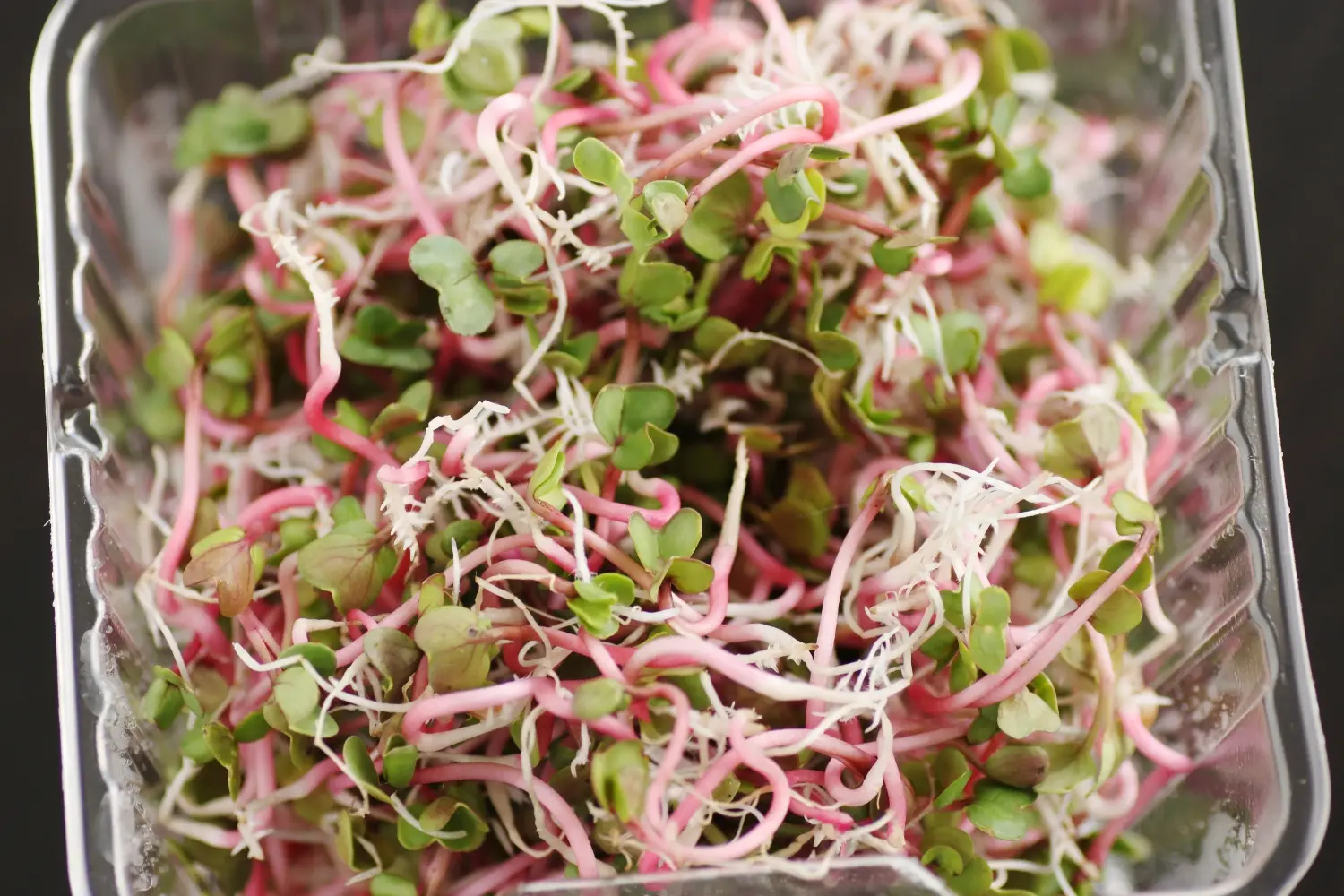
Most microgreens die in the crisper. Here's how a cook uses them in sandwiches, eggs, smoothies and pesto, plus which types to buy and how to store them.
Section
Recipes, technique, and craft.
Most microgreens die in the crisper. Here's how a cook uses them in sandwiches, eggs, smoothies and pesto, plus which types to buy and how to store them.
Frozen vegetables are blanched before freezing, so they arrive half-cooked. Skip the thaw, cook them hot from frozen, then use them for rice, soup, or fritters.
Pecorino has nearly three times the sodium of Parmigiano-Reggiano, so the swap is never one for one. Here's when it works, and when it wrecks the dish.
The best hangover food changes as you age: grease at 25, broth at 45. A decade of New York restaurant nights, plus the ritual Bourdain swore by.
Girl dinner ideas built on one method: something rich, something sharp, something crunchy. Plus why this way of eating is far older than the name given to it.
Pasta alla Genovese isn't from Genoa and has no pesto: it's Naples' slow-cooked onion and beef ragù, and the ratio of onions to meat is the whole secret.
30 canned sardine recipes grouped by how you cook: quick pasta, global plates, hot dishes, salads, pantry dinners, and the toast you should've been making.
A pasta shapes guide that finally makes sense: what bucatini, rigatoni, trofie and dozens more shapes are, how to say them, and the sauce each one is built for.
How to cook pasta properly: the right portion per person, how much salt and water to use, and the pan-finish that makes home pasta taste like a restaurant's.
Pork confit is the slow-cook trick that makes a humble pork shoulder taste like a splurge: meltingly tender, fat-basted, nearly foolproof. Here is how it works.
Chicken confit is the chef trick that turns cheap chicken into something luxurious: meltingly tender, crisp-skinned, and nearly foolproof. Here's how.
Cooking rabbit meat goes sideways because rabbit is so lean it turns to leather in a minute. A former chef on the cut, the fat, and the heat that save it.
Confit sounds fancy but began as peasant survival food. Cook it low in fat and it turns silky, rich, and luxurious. The method, from a former chef.
Butchering a rabbit is quicker and less squeamish than it looks. A start-to-finish walkthrough: dispatch, skinning, gutting, and the cuts, from real experience.
A chef's method for steakhouse ribeye, no grill: a screaming cast-iron sear, a butter baste, then the oven. Restaurant crust at a quarter the cost.
The best steak for grilling is a well-marbled ribeye. A former chef on why it wins, when to pick a strip instead, and how to grill it without flare-ups.
The best beef for stew is chuck, not the pre-cut 'stew meat' bin. A former chef on the cut, the collagen science, and how the world stews beef.
A dark orange yolk isn't a healthier-egg gimmick, it's the hen's diet. Here's what raising my own chickens in Colombia taught me about yolk color.
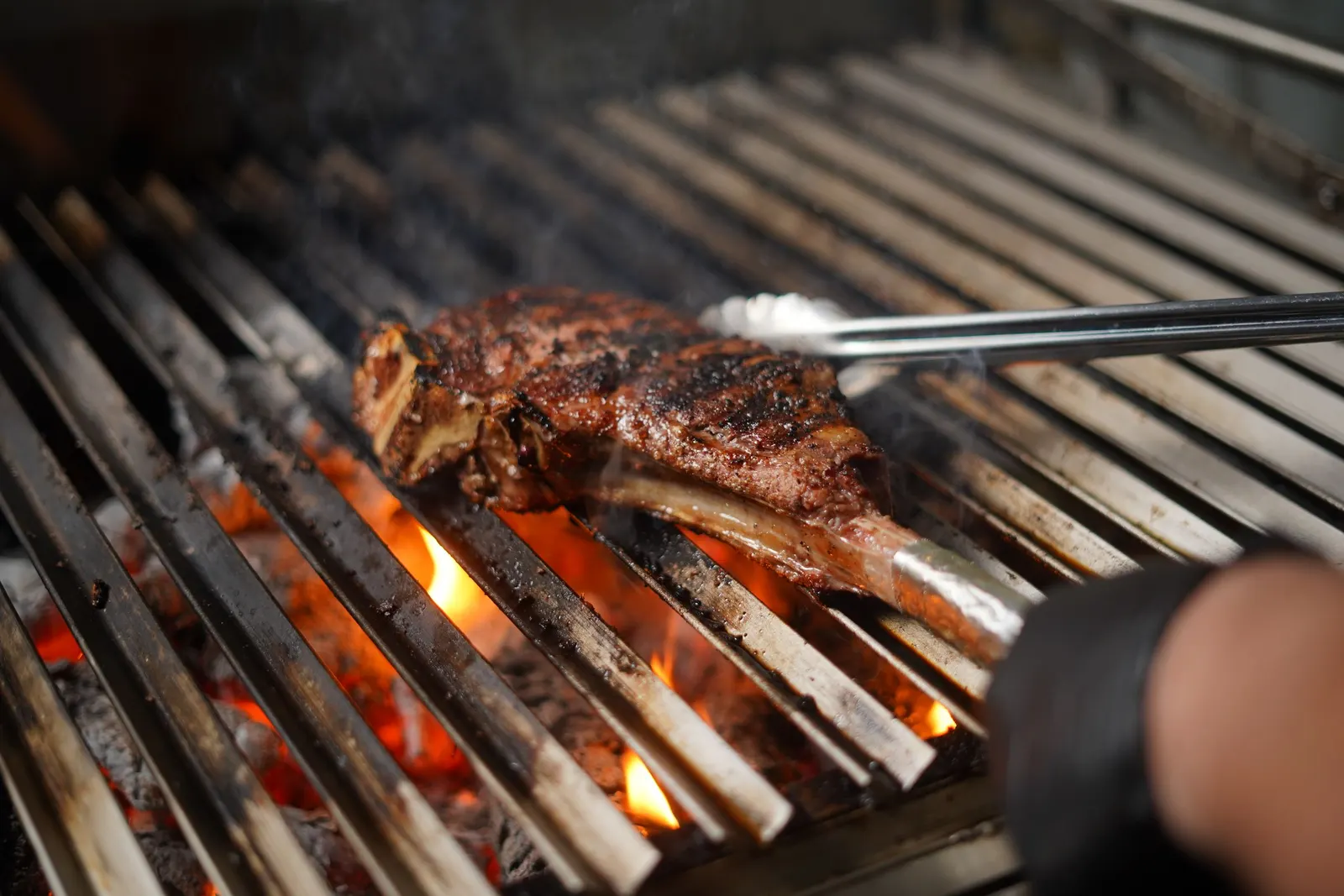
What is a tomahawk steak? A bone-in ribeye with a long frenched bone. A former chef on what you're paying for, why the bone is a pain, and if it's worth it.
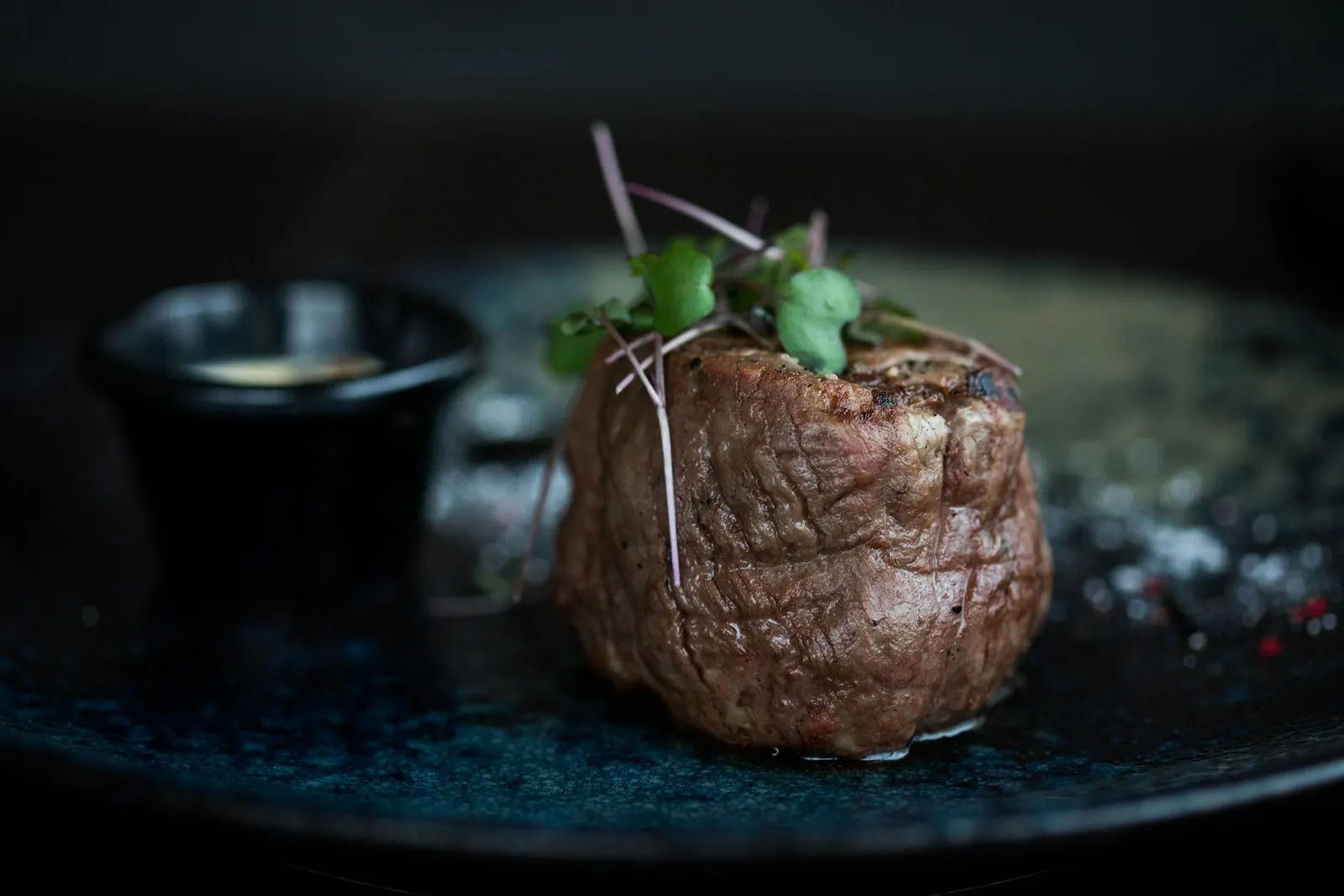
Filet mignon vs ribeye is a trade of tenderness for flavor. A former chef on which cut is worth the money, how each one cooks, and when the leaner steak wins.