New Year's Food Traditions, and What Each One Buys
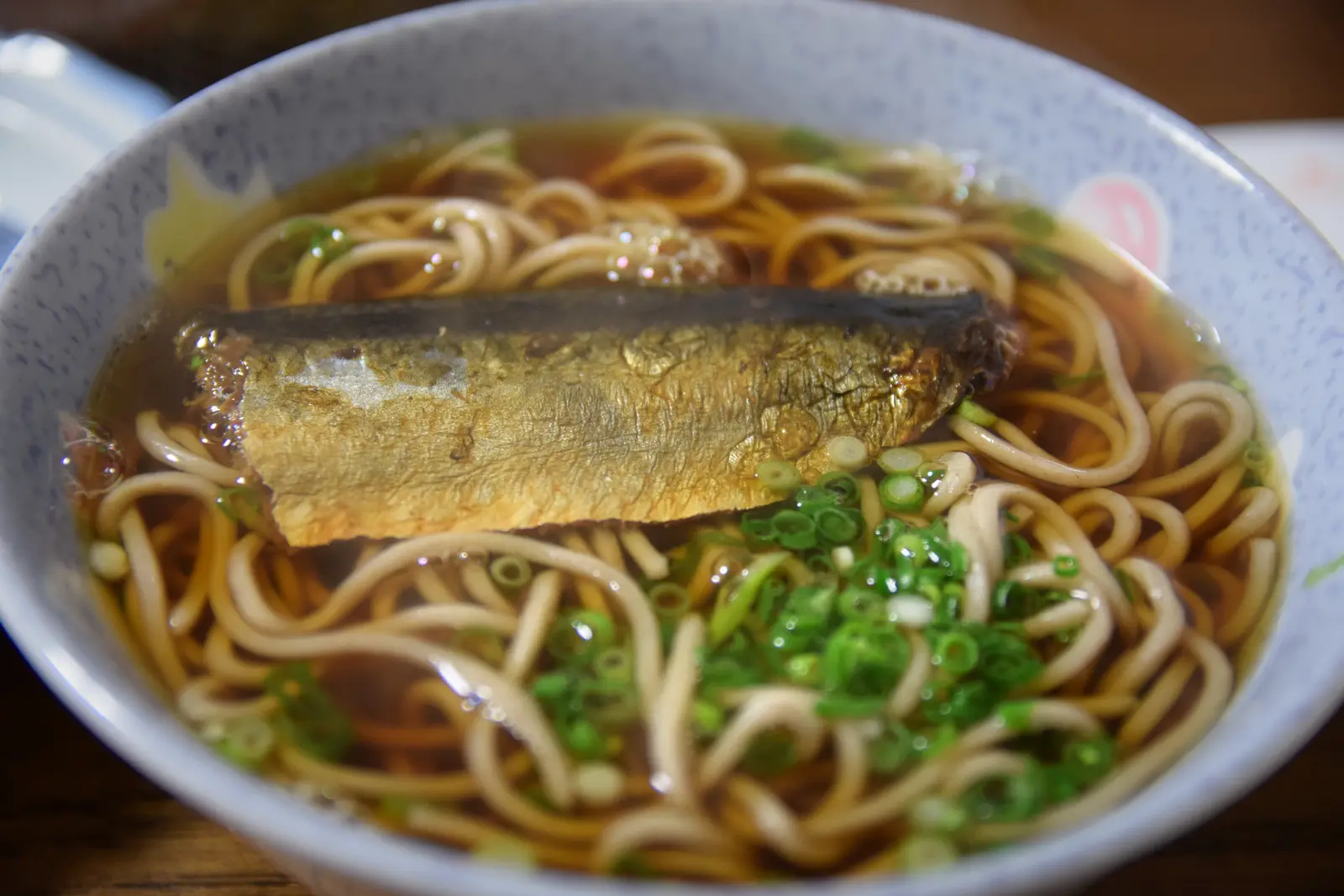
Lentils, grapes, soba, black-eyed peas, pork. Nearly every New Year's food on earth is a bet on money, luck, or a long life, and the shapes explain why.
Section
Food cultures, traditions, and reporting from elsewhere.
Lentils, grapes, soba, black-eyed peas, pork. Nearly every New Year's food on earth is a bet on money, luck, or a long life, and the shapes explain why.
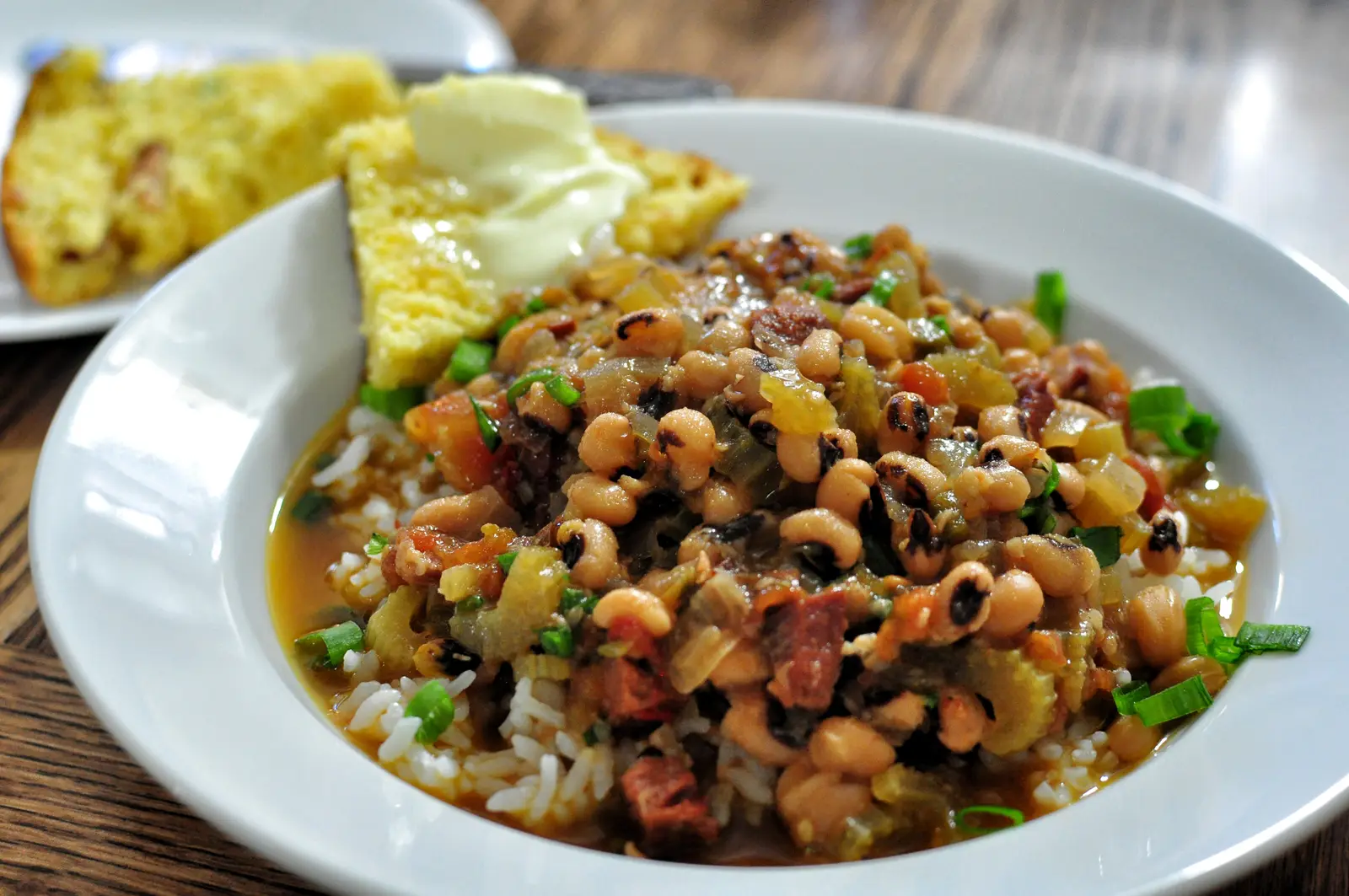
The traditional Lowcountry recipe for black-eyed peas and rice, plus the West African history behind a dish most New Year's articles reduce to a luck charm.
Traditional American food is eight regional cuisines, each built by a different immigration. Texas barbecue is German, Hawaii's plate lunch Filipino.
Colombia's big-bottomed ants are toasted with salt and eaten by the handful in Santander. What they taste like, and why insects are dinner almost everywhere.
The best food in Rome is a short list of dishes, not a list of restaurants. A chef's guide to the four Roman pastas, the offal tradition, and what to order.
Popular Colombian desserts go far beyond dulce de leche. A local tour of arequipe, obleas, brevas con arequipe, and the sweets that define la mesa.
Maracuyá passion fruit is the tart yellow fruit behind Colombia's juices, sauces, and desserts. Here's what it really tastes like and how to use it.
Aguardiente, Colombia's anise-flavored sugarcane spirit, is the guaro poured at every party. Here's how it tastes, how it's drunk, and why Colombians swear by it.
The citrus marinade, the screaming-hot char, and the charred salsa that separate real carne asada from a bland backyard version. Plus the whole spread.
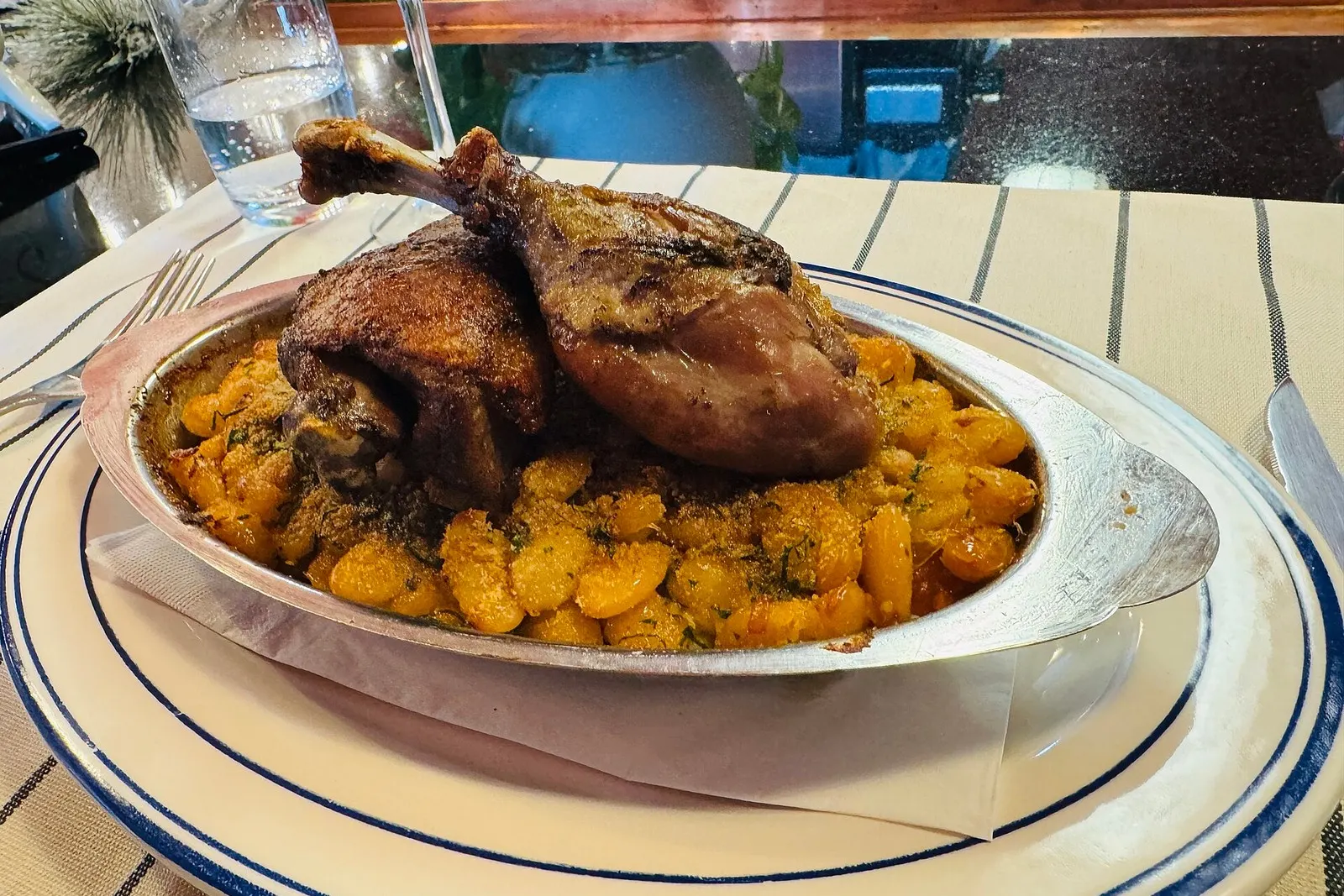
French cassoulet is a slow-cooked Languedoc dish of white beans, duck confit, and sausage. A former chef on why the ugliest classic is worth a whole day.
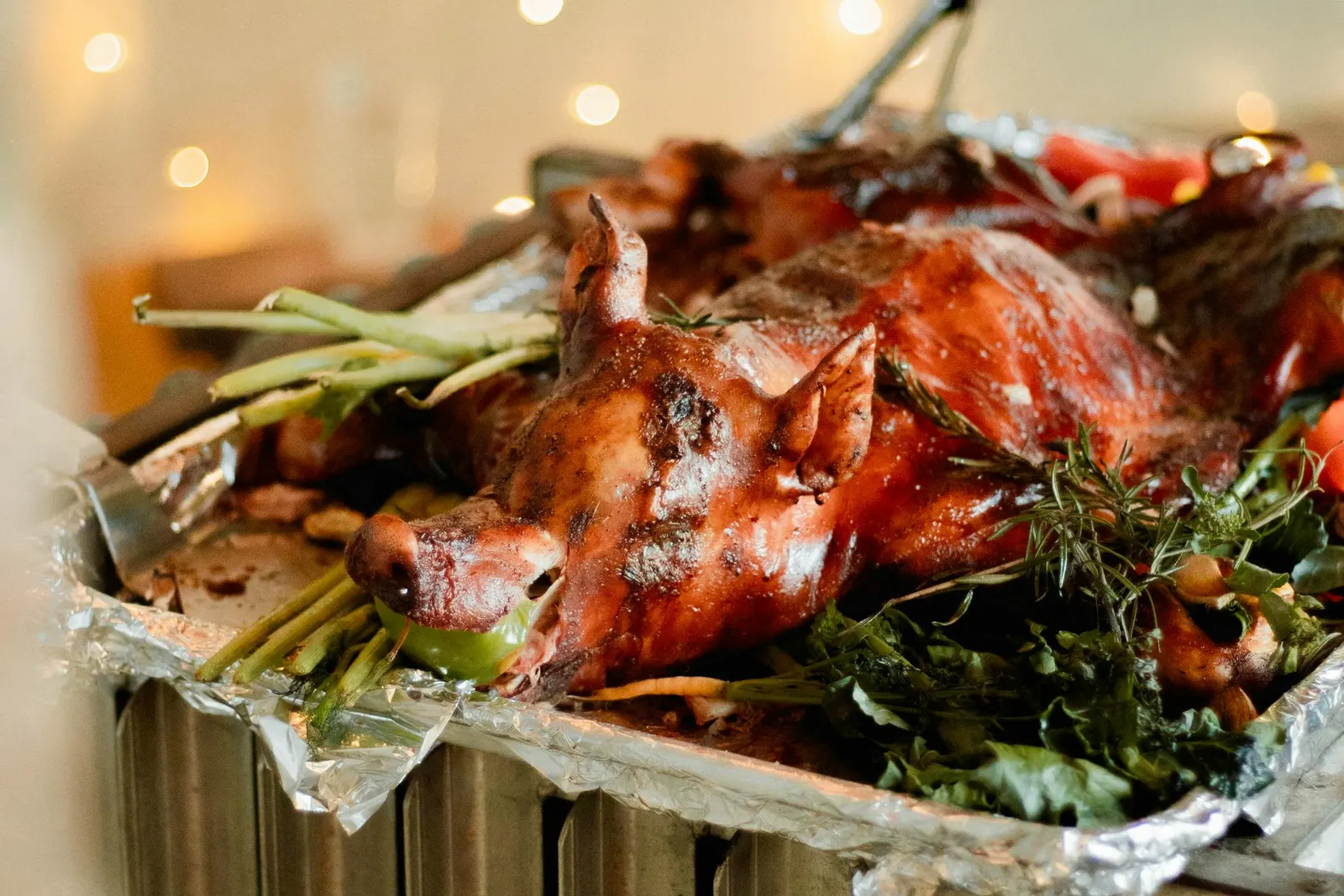
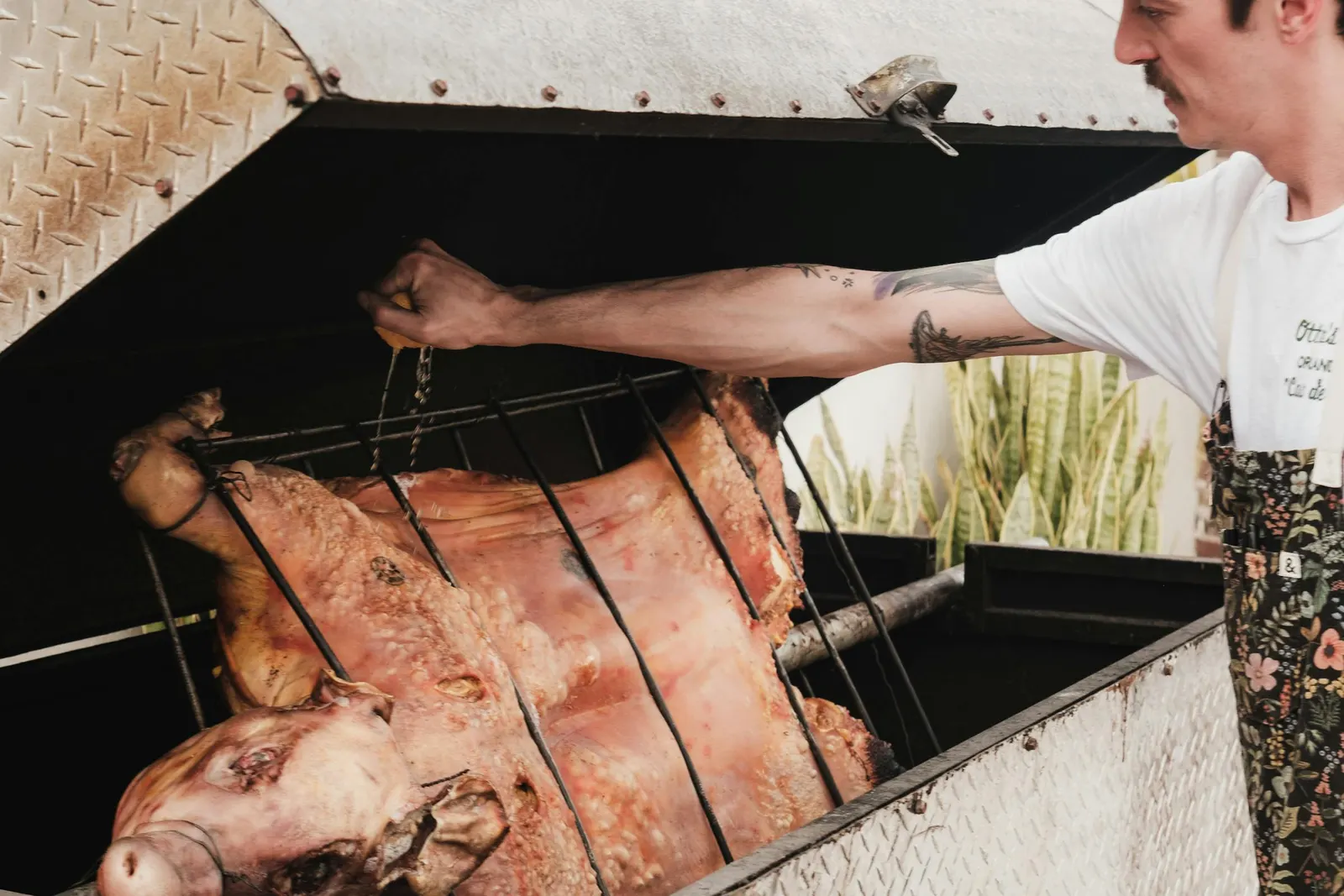
Lechona is Colombia's roast pig: a whole pig deboned and stuffed with rice and peas, then roasted for hours. A guide to lechona tolimense and how to eat it.
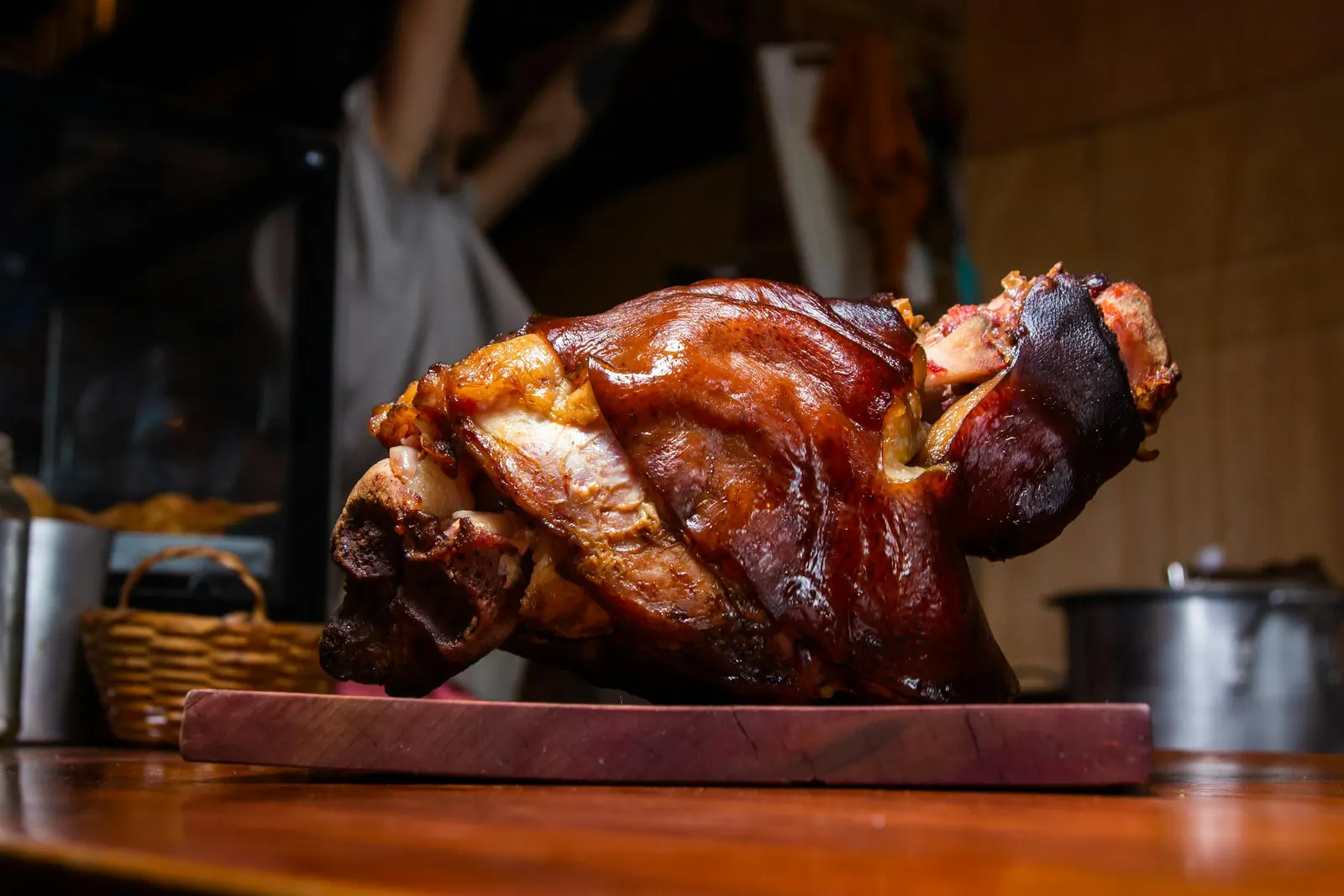
Pernil is Puerto Rico's roast pork: a shoulder marinated hard with garlic and adobo, then slow-roasted until the skin crackles. A guide to the dish and how to eat it.
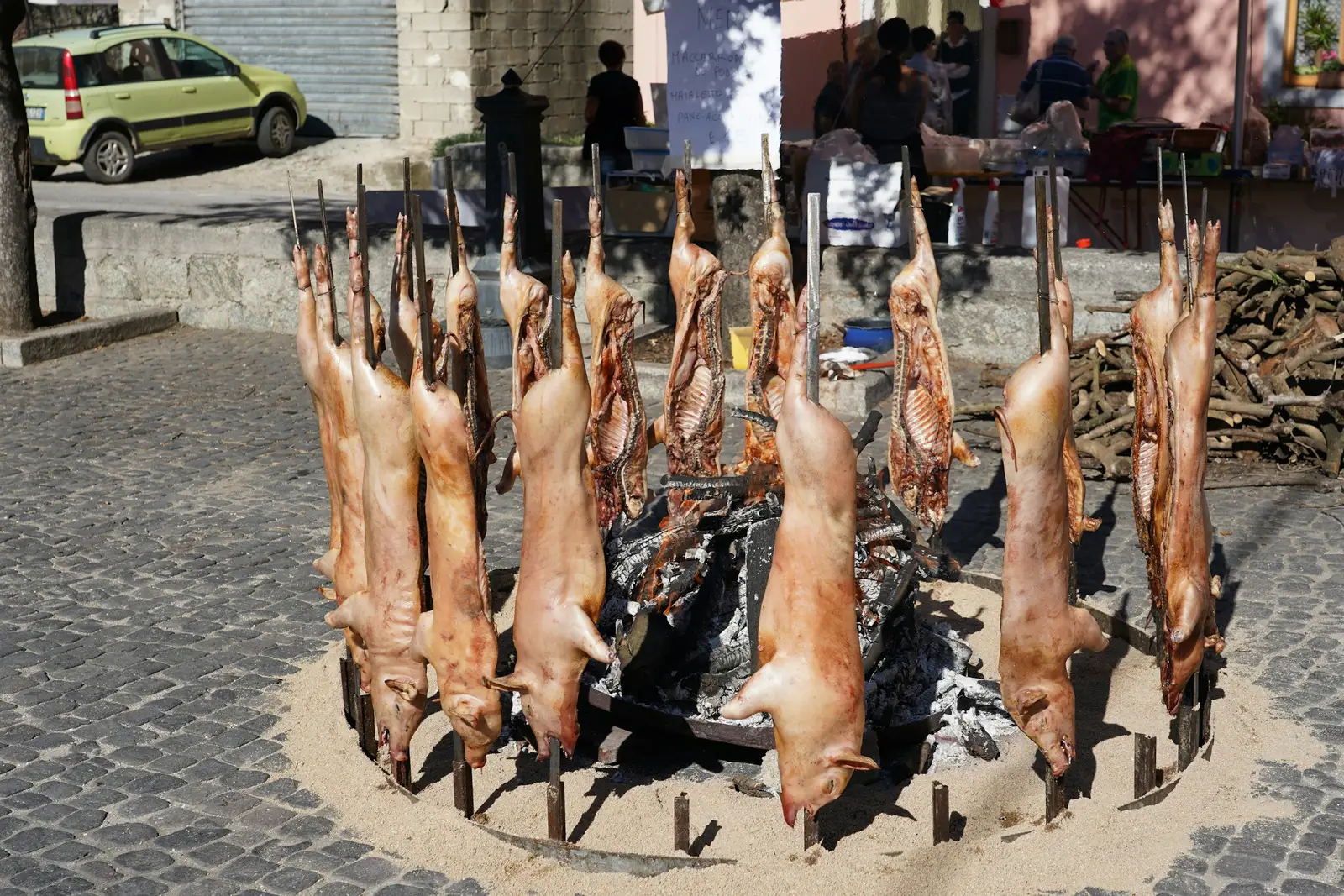
Lechón is the roast pig of the Spanish-speaking world: a whole spit pig in the Philippines, stuffed lechona in Colombia, cochinillo in Spain, pernil in Puerto Rico.
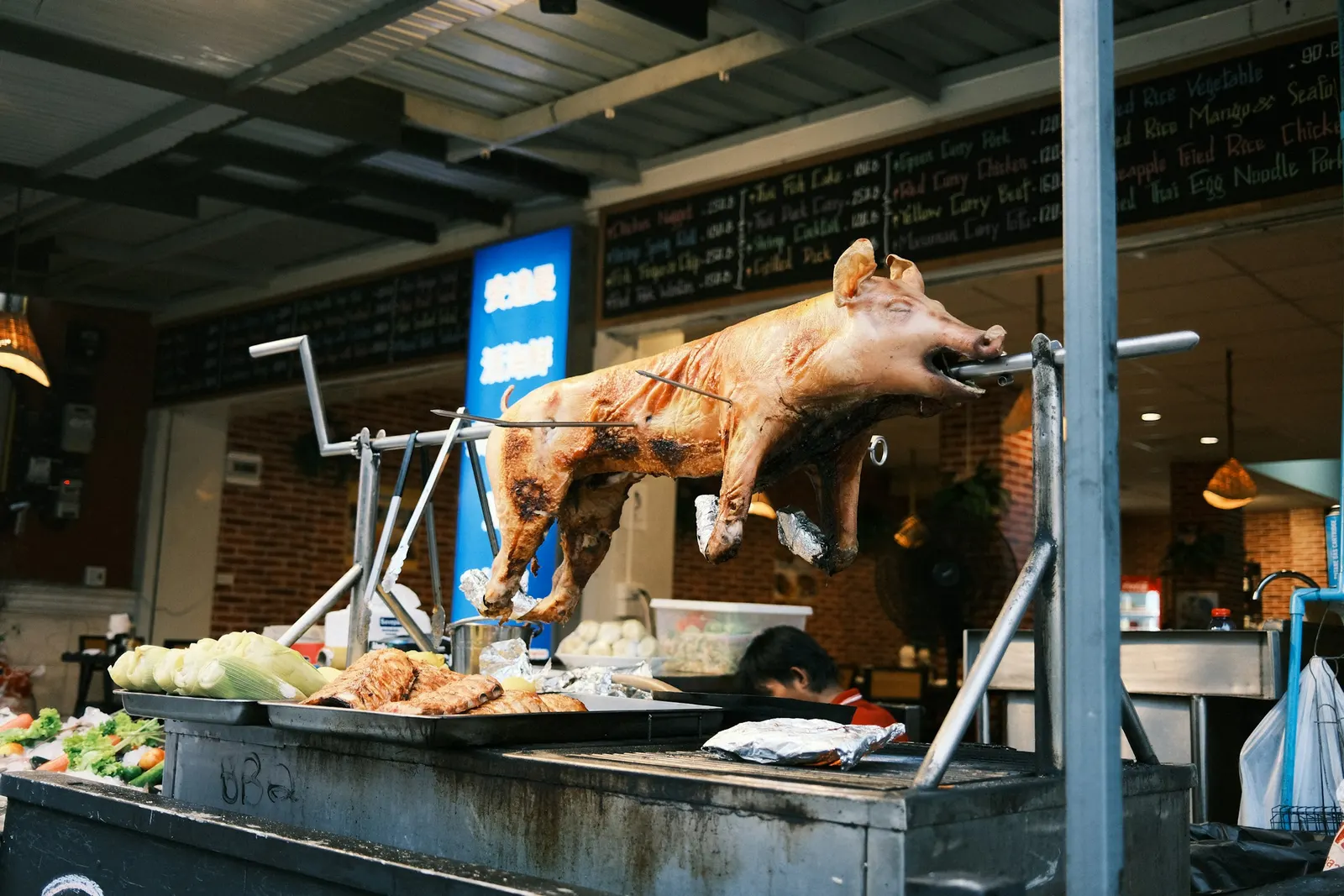
Filipino lechón is a whole pig spit-roasted over charcoal until the skin shatters. A guide to the dish, the famous Cebu style, and why the skin is the prize.
Dining etiquette around the world, country by country: eating with your hands, chopstick customs, toasting rules, and the table manners that flip across borders.
Cochinillo is Spain's roast suckling pig: a milk-fed piglet roasted whole in a wood oven until the skin is glass-crisp. A guide to cochinillo de Segovia.
Rustic European cooking doesn't need fixing. A former line cook on the case for cassoulet, wood-burning ovens, and dishes that have outlasted trends.
The French early-evening drinks ritual — what's served, when it happens, and how it differs from cocktail hour elsewhere in the world.
Small plates, billing, etiquette, and regional variations across Spain — what a real tapas bar is, how to order at one, and what 'tapeo' as a way of eating really means.
What is a bocadillo? In Spain it is the classic sandwich; in Colombia it is a guava-paste sweet. A guide to the word's meanings, varieties, and how to eat it.