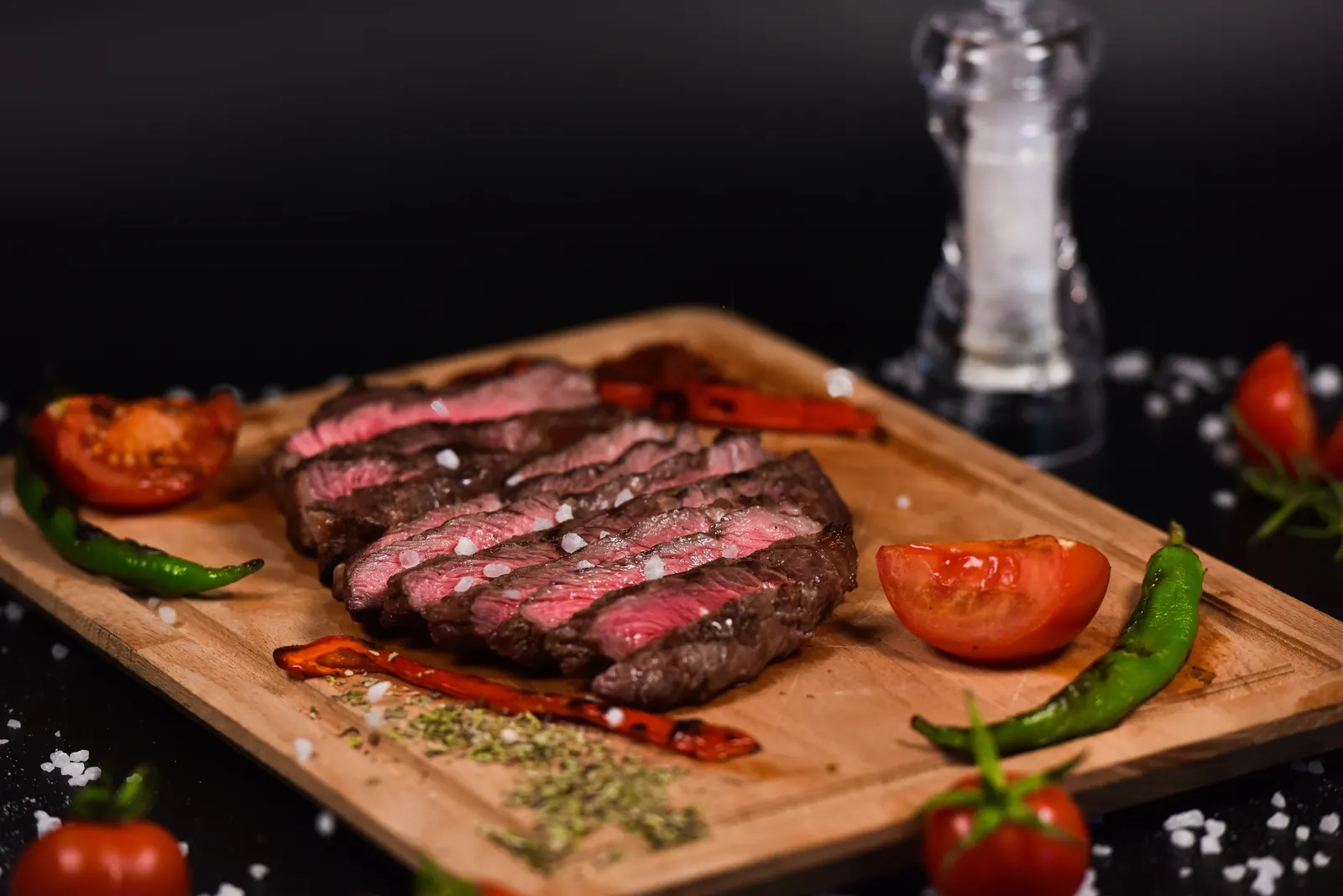
What makes a good steak comes down to four things: marbling, thickness, freshness, and where you bought it. Marbling determines flavor and juiciness because the fat melts during cooking and carries flavor through the meat. Thickness determines whether you can develop a real crust without overcooking the interior. Freshness determines whether the meat tastes alive or dead. Where you bought it determines whether you have access to the first three. The single biggest mistake home cooks make is shopping for steak at the supermarket case instead of at a butcher counter. Almost every other steak question gets easier once you have made that switch.
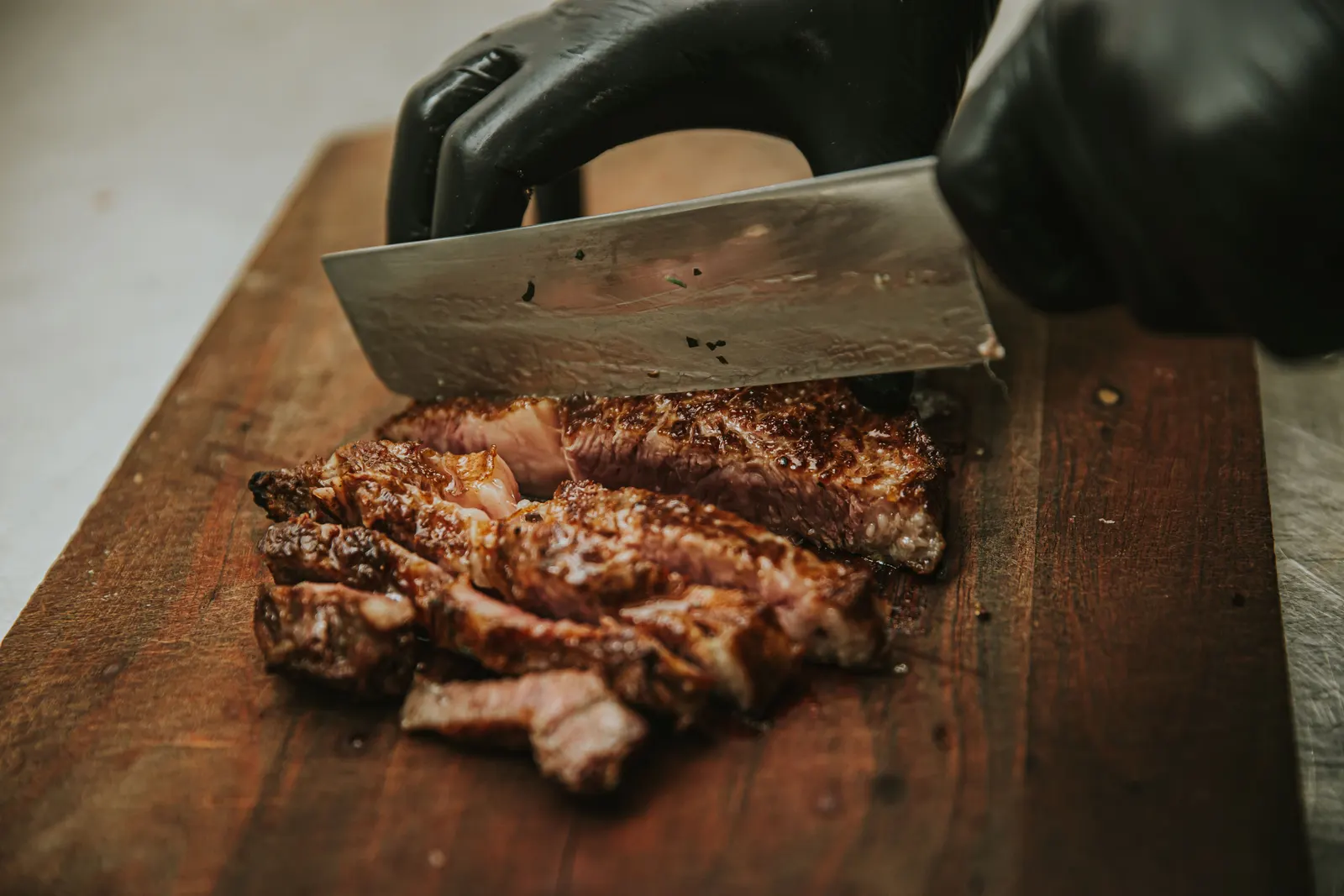
Why the butcher matters more than the cut you pick
During my culinary tenure, this was one of the questions I got asked the most. People seem genuinely confused by what makes one steak better than another, and they shouldn't be. The answer isn't complicated, but it does require looking at the meat instead of the price tag. And the meat in front of you is mostly a function of where you bought it.
Most home cooks shop for steak the same way they shop for cereal: walk down the aisle, look at what's in the case, pick something. The case at a normal supermarket is mostly industrially processed beef. The cuts are limited to the most-requested ones (ribeye, strip, sirloin, ground). The quality is whatever the corporate purchasing manager negotiated. The thickness is whatever the slicing line was set to that day. There's nobody at the counter who can tell you anything.
A real local butcher is a completely different game.
A butcher carries cuts the supermarket doesn't: bavette, hanger, picanha, dry-aged cuts, the lesser-known sirloin pieces that are deeply flavorful and cheap. Two of those, hanger and skirt, are the two thin cuts most people confuse at the butcher case, and the choice between them changes the dinner. The meat is generally fresher because butchers work through smaller volume and rotate faster. Most importantly, there is a person behind the counter who you can ask. What came in fresh today? What would you cook for a Saturday night? What is good this week? What would you recommend if I want to spend less than thirty dollars? These are real questions with real answers, and the supermarket cannot give you any of them. The same instinct that runs through cooking budget meals on cheap cuts starts at the same place: ask the person at the counter, not the marketing on the package.
The butcher is also your guide on price points. A good butcher will tell you when the cut you are reaching for is overpriced this week and there's a better cut sitting next to it. The supermarket has no incentive to do this. The butcher does.
If you take one piece of advice from this article: find a real butcher near you. Walk in once, ask what they carry, what they recommend, and what they do better than the supermarket. Pick one cut they suggest. Cook it. Then go back the next time. The relationship is half of what gets you a great steak.
This same shift in mindset, starting with the source instead of the cut, is the core idea behind the best cuts of beef for any occasion: the occasion shapes the cut, but the source shapes the cut quality.
How to read marbling in 10 seconds at the case
If you are buying steak today and a real butcher isn't an option (sometimes the supermarket is what you have), here is what to look at in the case.
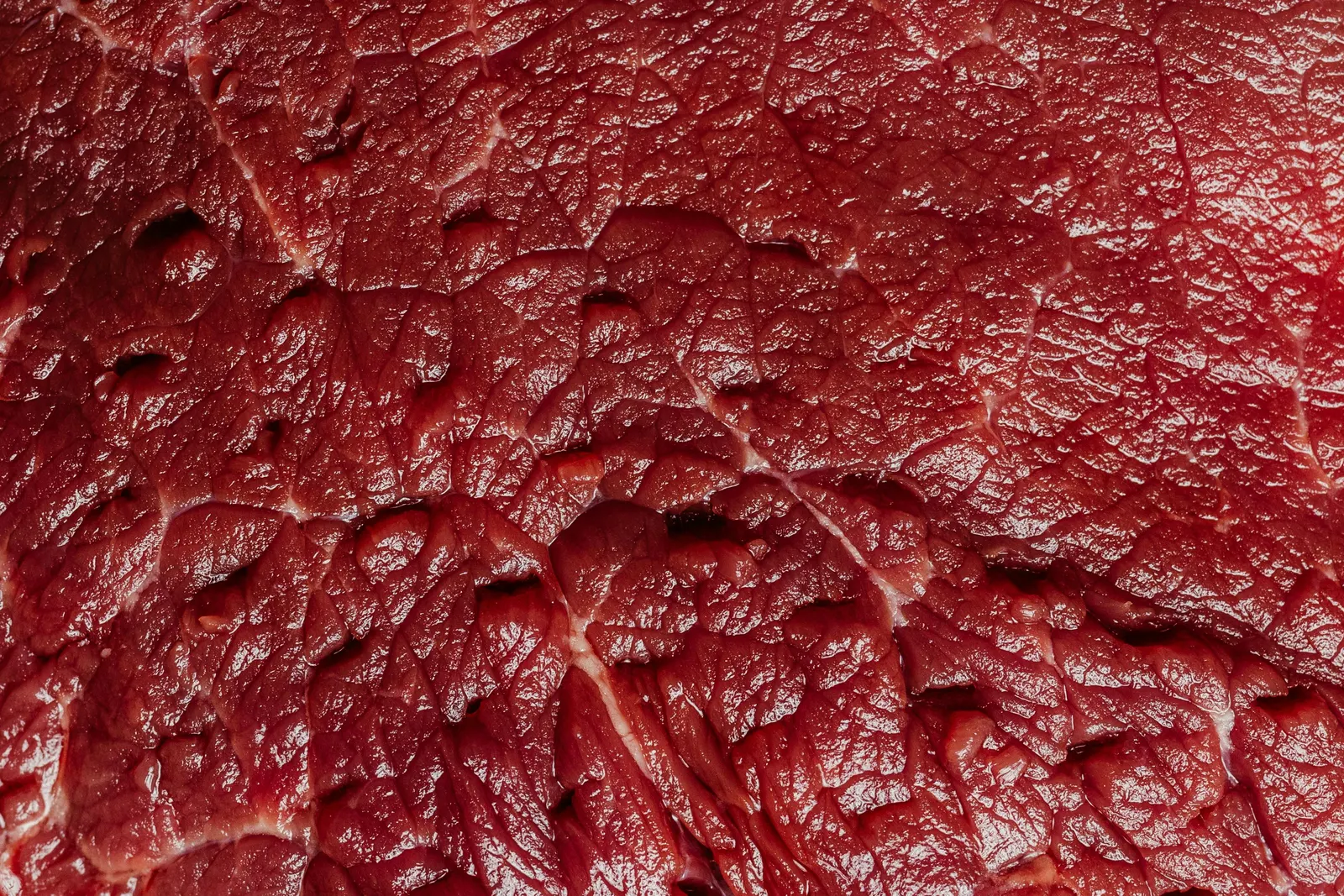
- Spread of marbling. Fine, evenly distributed white veining throughout the muscle. Not a few big globs of fat; many small lines spread across the cut. The more even the distribution, the more even the cooking.
- Color of the muscle. Deep red. Vacuum-sealed cuts sometimes look dark or purplish in the package; that's normal, and the meat will bloom red within minutes of being unwrapped. What you do not want is gray, brown, or pink-in-an-unhealthy-way.
- Surface. Slightly moist, not weeping. A pool of liquid in the package is a sign of older meat or a poor seal.
- Edges. Clean, freshly butchered. Ragged or dry edges mean the meat has been sitting.
- Smell. Fresh beef smells like very little. Off beef smells faintly metallic or sour. If something feels wrong, trust your nose.
Five things, ten seconds. The whole evaluation should take you less time than reading the price tag. The marbling read pays off most on the premium cuts: the ribeye vs strip question is where the ten-second case scan earns the biggest return on dinner.
The thickness question
Is a one-inch steak even worth buying?
Sometimes. It depends on what you are doing.
A one-inch steak works for:
- Fast weeknight cooking where you want to be eating in twenty minutes
- A quick sear-and-rest situation where the steak is part of a larger plate
- Hot pan, hot grill, hot finish, no resting nuance required
A one-inch steak does not work for:
- A proper steakhouse-style steak with a deep crust and a medium-rare interior
- Any cook where you want the crust to develop while the interior stays pink
- Reverse-sear or any low-and-slow approach
If a great steak experience is the goal, get at least an inch and a half thick. Two inches is better. (A tomahawk is thick by default, which is the one genuine advantage buried under all that bone.) Thick steaks have margin: you can develop a real crust over high heat and still have a medium-rare interior because the heat hasn't penetrated all the way through yet. Thin steaks have no margin: the moment the crust is right, the interior is also done.
Buy the thick one. If the price is a problem, eat steak less often instead of buying thin cuts every week.
Fresh versus dry-aged
Most steak you see in a normal grocery store is wet-aged. The meat is vacuum-sealed and held in its own juices for a few weeks, which tenderizes it slightly but does not change the flavor much. It's another version of the gap between supermarket food and the real thing, the same gap that separates a pale factory egg from a yolk that turns deep orange because the hen actually foraged.
Dry-aged beef is a different animal. The meat is hung in a temperature- and humidity-controlled room for two to eight weeks, sometimes longer. The exterior dries and forms a crust, which is trimmed away before sale. What's left is more concentrated, with a deeper flavor and a slight nuttiness that comes from the enzymatic breakdown during aging.
I have developed a real preference for dry-aged over the years. Working with steaks for so long, the difference becomes obvious. Dry-aged isn't better in an objective sense; it's more interesting. The flavor goes places that wet-aged beef does not.
That said, two caveats:
- Dry-aged is an acquired taste. Some people find the nutty, slightly aged-cheese-like character off-putting on first encounter. If you have never had it before, try a small portion at a steakhouse before buying a thick cut at a butcher counter.
- The price. Dry-aged costs noticeably more, often double the price of wet-aged equivalents, because of the time the beef spends in the aging room and the weight loss during drying. The premium is real.
If the price is right and you can find a butcher who does dry-aged well, it's worth trying. If you are choosing between dry-aged supermarket beef (which is sometimes a marketing claim, sometimes the real thing, hard to tell) and fresh wet-aged butcher beef, take the butcher beef.
The same care that goes into picking the cut goes into seasoning it. The full version of that case is in the right way to salt a steak, which becomes more important the better the meat is.
What separates a great steak from a good one
Once you have a thick, well-marbled, fresh cut in your kitchen, the cooking is the next variable.
The reason I reach for a ribeye every time is the crust. A ribeye cooked the right way (hot cast iron, screaming-hot pan, finish in the oven if the cut is thick) develops a crust that is the single best feature of any cooked meat. It is dark, almost burnt-black in places, crunchy, deeply savory, and slightly bitter in the best way. That crust is what most people are paying for when they go to a steakhouse.
The crust is created by the Maillard reaction, the browning of amino acids and sugars on the surface of the meat under high heat. It requires three things to happen well:
- A dry surface (which is why salting the night before matters)
- A very hot cooking surface (cast iron over high heat, or a properly built grill fire)
- Enough fat in the meat to baste itself during cooking (which is why marbling matters)
Get those three right and the crust does its job. Get one wrong and you are eating a competently cooked steak instead of a great one.
A great steak also gets the time it needs to rest. Five to ten minutes, off heat, loosely tented. Skip the rest and the juices run out the moment you cut into it; the meat goes from tender and pink to dry and gray in the time it takes you to plate.
The difference between a good steak and a great one is rarely about the cut. It's about the meat, the technique, and the patience to let it rest before you eat it.
FAQ
What makes a good steak?
A good steak comes down to four things: marbling, thickness, freshness, and where you bought it. Marbling is the fine white veining of fat in the muscle, which carries flavor through the meat as it cooks. Thickness matters because a thicker steak (at least an inch and a half) allows you to develop a crust without overcooking the interior. Freshness shows in deep red color and clean edges. And the source determines whether you have access to the first three: a real butcher carries better meat than the supermarket and can guide you to the right cut.
How can you tell if a steak is good before buying it?
Look at the marbling first. Fine, evenly distributed white veining through the muscle is the strongest signal of a good steak. Then check the color (deep red, not gray), the surface (moist but not weeping), and the edges (cleanly butchered). The whole evaluation takes about ten seconds and beats reading any label or prime vs choice grade sticker.
What's the best cut of steak?
There is no single best cut. The best cut depends on what you are cooking. Ribeye is the most reliable single steak in any American grocery store because of its marbling and forgiveness on heat. New York strip has a tighter grain and a beefier flavor. Filet is the most tender but the least flavorful, a trade worth understanding before you pay the premium for it. The full breakdown of which cut works for which occasion is in our pillar on the best cuts of beef.
Is dry-aged beef worth the extra money?
Sometimes. Dry-aged beef has a deeper, more concentrated flavor with a slight nuttiness from enzymatic breakdown during aging, and a faint aged-cheese-like note from controlled surface microbial activity. It costs noticeably more, often double the price of wet-aged equivalents. If you have never tried it before, order a dry-aged steak at a steakhouse first to see if you like the flavor. If you do, it is worth seeking out a butcher who does dry-aging well. If the aged-cheese note isn't for you, save the money on fresh wet-aged beef from a butcher.
Why is buying steak from a butcher better than from a supermarket?
Three reasons. First, butchers carry cuts the supermarket does not (bavette, hanger, picanha, dry-aged options, lesser-known sirloin cuts). Second, the meat is generally fresher because butchers work through smaller volume and rotate faster. Third, and most importantly, there is a person at the counter who can tell you what came in fresh today, what is good this week, and what to buy for the dish you are cooking. The supermarket cannot give you any of that.