When I was around seventeen, I had dinner at a friend's house. His family was better off than mine, and they served shrimp cooked in the shell. Nobody had ever taught me that you peel a shrimp. I did not know. I ate it, shell and all, and somewhere in the middle of doing it I understood I was doing something wrong, and I finished it anyway, because I did not know what else to do. My friends saw. Nobody said anything, out of politeness, which somehow made it worse.
I grew up poor, in the projects in Jamaica, Queens, in a Colombian household where money was tight for a long time. We ate broke meals: rice and beans, rice and eggs, a grilled cheese, whatever was cheap and whatever was left in the kitchen. I am going to say the most important thing in this guide before anything else, because everything else sits underneath it: there is no shame in a broke meal. None.
This is a guide to eating genuinely well on almost nothing. I grew up doing exactly that, and I later spent years cooking professionally, line cook up to executive chef. So it is practical, and it is honest about where it comes from.
There's no shame in a broke meal
I felt horrible about the shrimp. I want to be honest about that, because shame is the real subject of this section, and the rest of the guide only matters once we deal with it first.
My sister had her own version of it. She went through a nursing program in high school, became an LPN, and started dating a surgeon who took her to fine-dining restaurants in New York in the late eighties. She felt mortified more than once, sitting in rooms she had not been raised to know how to sit in.
Here is what I understand now that I did not understand at seventeen. Not knowing how to eat a shrimp was not a flaw in me. It was just evidence of where I came from. You do not choose the house you are born into, and you certainly do not choose it as a child. Not knowing the customs of a world you were never inside is not ignorance, and it is not a character defect. It is a door you simply had not walked through yet.
So if you are eating broke meals right now, I want to say it directly: there is nothing wrong with you. Being broke is a circumstance, not a verdict on who you are. The food on your plate, the beans, the eggs, the grilled cheese, is good food, eaten by good people, and a great many of us came up on exactly it. It is not right to look down on anyone for that, and it is not right to look down on yourself for it either.
That is the spirit this whole guide is written in. Everything below, the proteins, the pantry, the technique, is about eating well. None of it is about apologizing.
What I grew up eating
My family is Colombian, and like a lot of Latino households, ours ran on rice and beans. That was not a hardship dish. It was dinner, most nights, and it was good. Those same beans come back at dawn as calentado, one of the most honest Colombian breakfasts there is.
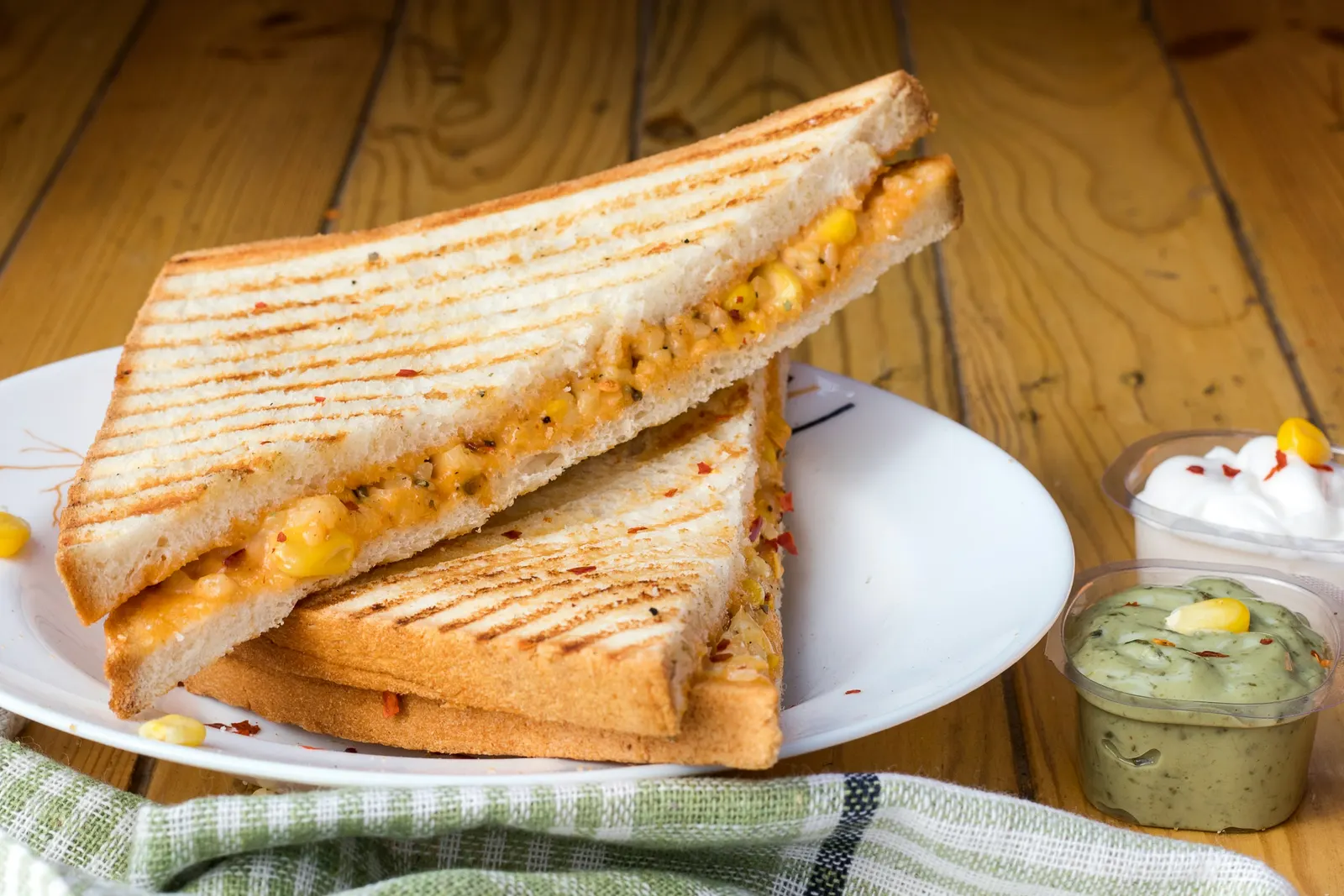
When the beans ran low, it was rice and eggs. When things were tighter than that, it was a government cheese grilled cheese, or a bologna sandwich. I want to be honest about those two, because the easy thing would be to file them as sad food. They were not sad. A government-cheese grilled cheese, the cheese melted all the way through and the bread crisp from the pan, is a genuinely great sandwich. Government cheese was a real, good melting cheese, and anyone who grew up on it will tell you the same. A bologna sandwich was something I was honestly happy to eat. The food of being broke is not automatically bad food. Very often it is food you remember with real affection.
There were harder stretches too. Nights when there was no animal protein in the house at all, when the fridge was close to empty and dinner was whatever could be assembled from the back of a cupboard. I am not going to dress that up; those nights were real. But most nights were not that. Most nights were a good, cheap meal, and the rest of this guide is how you make those reliably.
A broke meal is a skill, not a sentence
Eating well when you are broke is a skill. It is not a sentence you serve. It is a craft, and it is close to the same craft a professional kitchen runs on.
Every restaurant I worked in fed its own staff before service, and staff meal was almost never made from the good stuff. It was built from trim, from vegetables that would not last another day, from cheap cuts and odds and ends. And staff meal was often the best thing the kitchen made all day, because the cooks knew how to make humble ingredients taste like something. A kitchen does not buy flavor. It uses technique.
That is the idea here. A broke meal is not a worse meal. It is a meal that asks more of the cook and less of the wallet. It is the same instinct behind cooking for one without wasting food: use what you have, and waste as little of it as you can.
Cheap proteins: the backbone of a broke meal
Protein is usually the most expensive thing on a plate, which makes it the first place a broke meal has to get smart. The good news is that the cheapest proteins are also some of the best.
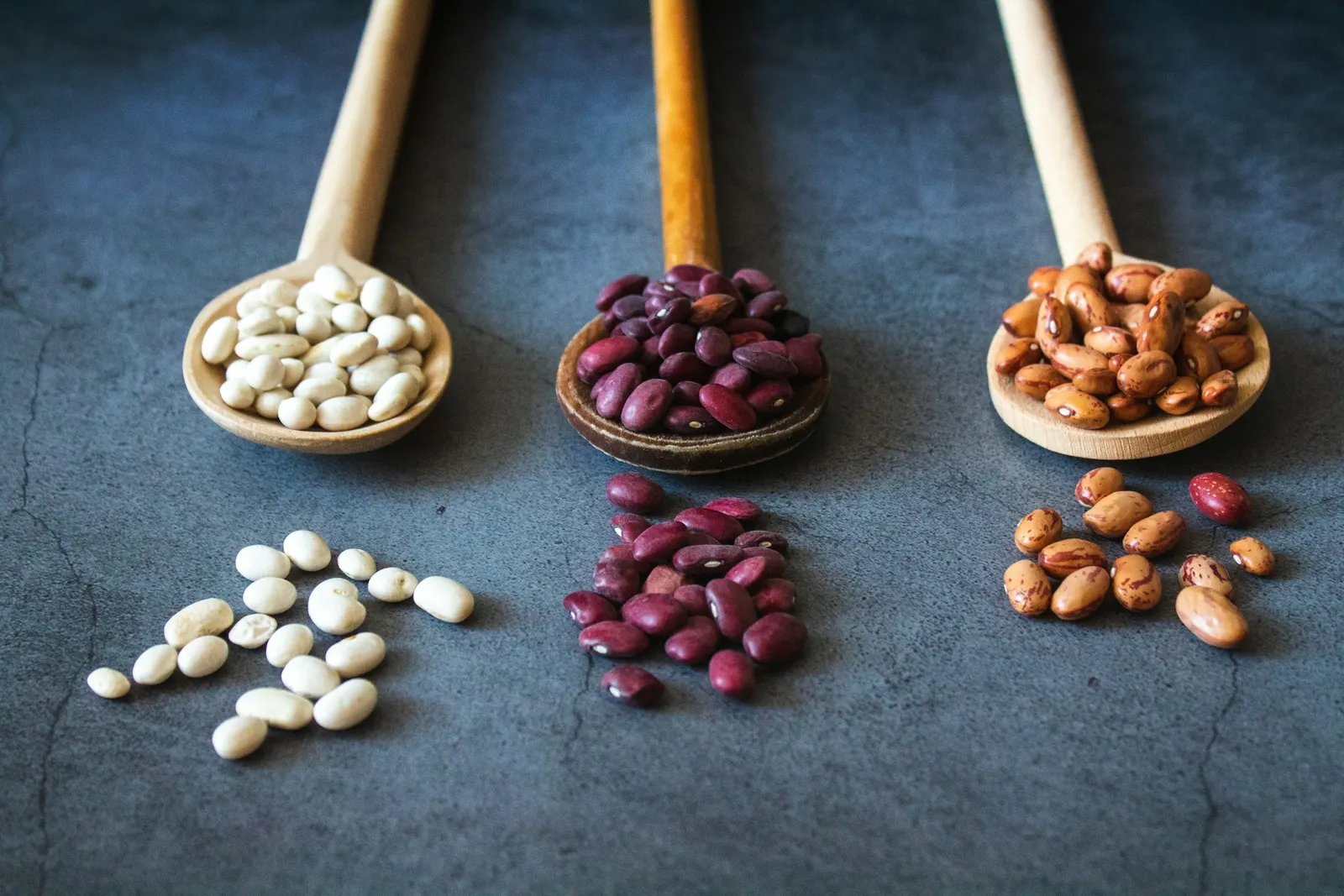
Dried beans. A bag of dried beans is one of the best values in any grocery store. Cooked from dry and seasoned properly, beans are rich, filling, and cheap enough to be a daily food. Beans and rice together form a complete protein, which is exactly why so many cultures, mine included, built everyday cooking on that pairing. It is not a compromise. It is one of the great meals.
Eggs. Eggs are cheap, fast, and genuinely good protein, and they turn almost anything into a meal. A fried egg on top of leftovers is a move I still use today. And when the egg itself is good enough, like the dark orange yolks my hens laid in Colombia, a piece of toast under it is the whole meal.
Lentils. Lentils cook in about half an hour with no soaking, cost very little, and make a pot of food that stretches across days.
Canned fish. Canned tuna, sardines, and mackerel are inexpensive, keep almost forever, and bring real protein and real flavor.
The move with cheap proteins is not to treat them as a downgrade from a steak. It is to cook them well enough that nobody at the table is thinking about steak. The same principle runs through the best beef for a stew: the right cut is chuck at a few dollars a pound, not the ribeye, and the meal that comes out of it can be the best one of the week.
Building a broke-meals pantry
The difference between a broke week that ends in takeout and one that ends in good home cooking is usually the pantry. If the right cheap staples are already in the house, you can always put a meal together.
The core of a broke-meals pantry is small and cheap:
- Rice and dried beans. The foundation.
- Eggs. The most flexible protein you can keep.
- Oil, salt, and an acid. Vinegar, or whatever cheap citrus is around. This is how cheap food gets good.
- Aromatics. Onions and garlic. A few dollars, and the base of almost any dish worth eating.
- Canned tomatoes. A can of tomatoes plus aromatics is the start of a hundred meals.
- A starch backup. Pasta, or potatoes when they are cheap.
That is most of it. With that in the house, a kitchen that feels empty is rarely actually empty. For the full version of this thinking, see how to stock a pantry from scratch.
How to make cheap food taste good
This is the part that does the real work, and the part most cheap-cooking advice skips. Cheap food does not have to taste cheap. The gap between a dull plate of food and a crave-able one is technique, and technique is close to free. It is also the same instinct that lets you learn to cook without leaning on recipes in the first place: pay attention to what is in front of you, season it well, and trust what your senses are telling you.
Salt properly. Underseasoning is the most common reason home cooking falls flat. Salt costs pennies a meal. Use enough of it, and use it while you cook, not only at the table.
Use acid. A squeeze of citrus or a splash of vinegar at the end of cooking wakes a dish up. Beans, eggs, soup, all of it gets better with a little acid, and it is the cheapest upgrade in cooking. Here is the fuller case for acid in food.
Build an aromatic base. Onion and garlic cooked slowly in oil before anything else goes in is the foundation of deep flavor, and it costs almost nothing. That base has a name and a method: the soffritto.
Brown things. Letting food take real color in the pan builds flavor that no expensive ingredient can fake.
None of this needs money. It needs attention. Attention is what a kitchen really sells, and it is what makes a broke meal genuinely good.
A week of broke meals
Put it together and a week of broke meals is not bleak. It is a rotation of simple, good food:
- A pot of beans and a pot of rice cooked at the start of the week, eaten in different forms across several days.
- Rice and eggs, garlic fried into the rice, an egg on top.
- A pot of lentils, started as a stew and stretched into a second and third meal.
- Pasta with aromatics, garlic and oil and whatever vegetable is cheapest.
- A soup from whatever is left, at the end of the week, when the odds and ends need to become a meal.
That last one is the most useful habit a broke cook can build. The ability to look at a near-empty kitchen and produce a real meal from it is a genuine skill, and it has its own guide: how to make soup from anything in your fridge.
The pattern holds all week: cheap proteins, a smart pantry, real seasoning, and cooking once to eat two or three times.
When there's genuinely nothing
I want to be honest about the hardest version of this. There were stretches growing up when there was genuinely almost nothing. An empty fridge, a near-empty cupboard, and dinner had to come from whatever was at the very back of it.
On those days the goal is not a good meal. It is a meal. Rice and a fried egg. Pasta with oil and salt. Toast. Beans if there are beans. You eat, and you get to the next day, and that is enough.
And one thing worth saying plainly: if you are at that point, food assistance exists for exactly this, and using it is not a failure. Food banks, SNAP, community fridges, school meal programs. They are there to be used. There is no virtue in going hungry to avoid help, and no shame in taking it.
What a broke meal is worth
I went on to cook professionally. I have worked the line in fine-dining kitchens and run them. And I can tell you that the rice and beans of my childhood and the most expensive plate I ever sent out of a kitchen have exactly the same worth, because the worth was never in the price. It was in someone caring enough to feed you, and to feed you well.
That is what a broke meal is, when it is done right. Not a sign of what you lack. A sign that someone, with almost nothing to work with, still made sure you ate. If that someone is you, cooking for yourself on a hard week, you should be proud of it. There is no shame in a broke meal. There is real skill in it, and there is a real kind of love in it, and both of those are worth far more than money.
FAQ
What is a broke meal?
A broke meal is a meal cooked when money and groceries are both short: built from whatever is cheap and whatever is left in the kitchen. Classic examples are rice and beans, rice and eggs, a grilled cheese, pasta with garlic and oil, or a soup made from odds and ends. A broke meal is defined by its economics, not by being low quality. Cooked with decent technique, it can be genuinely good food.
What are the cheapest sources of protein?
The cheapest good proteins are dried beans, eggs, lentils, and canned fish like tuna, sardines, and mackerel. Dried beans in particular are one of the best values in any grocery store, and beans with rice form a complete protein, which is why so many cultures built everyday cooking on that pairing. These proteins are inexpensive, keep well, and combine easily with cheap pantry staples.
What can you eat when you have no money?
When there is almost nothing, the goal is simply a meal: rice with a fried egg, pasta with oil and salt, toast, or beans if you have them. Keeping a minimal pantry (rice, dried beans, eggs, oil, salt, onions, garlic, canned tomatoes) means a kitchen that feels empty usually is not. And if you genuinely cannot afford food, food assistance exists for exactly that reason: food banks, SNAP, community fridges, and school meal programs are there to be used, and using them is nothing to be ashamed of.
How do you make cheap food taste good?
With technique, which is close to free. Salt food properly and salt it while you cook. Add acid (a squeeze of citrus or a splash of vinegar) at the end to wake the dish up. Build an aromatic base of onion and garlic cooked slowly in oil. And let food brown for real color and depth. None of this costs money; it costs attention, and it is the difference between a dull cheap meal and a crave-able one.
How do you eat healthy when you're broke?
Build meals on cheap whole foods rather than cheap processed ones: dried beans, lentils, eggs, rice, frozen vegetables, and canned tomatoes are all inexpensive and nutritious. Beans and rice is filling and balanced. Cook in batches so a healthy pot of food stretches across several days, and use a small pantry of staples so you are not driven to takeout when the fridge looks empty.