
Going out to eat is less about finding the best restaurant in your city and more about matching the right restaurant to the occasion. Date night, happy hour, Sunday brunch, business dinner, late-night meal: each of these is a different problem, and the same restaurant rarely solves all of them well. The diners who consistently eat well are the ones who think about the occasion first and the restaurant second. The food is usually fine in most places. The fit is what determines whether the meal is forgettable or worth remembering.
The framework almost nobody uses
Most people pick a restaurant by reading reviews, asking friends, or chasing whatever opened recently. The food is the dominant filter. The location and the price are the supporting filters. Then they book it for whatever the occasion happens to be.
The diners who consistently eat well do something different. They start with the occasion and let the occasion narrow the restaurant.
A first date is a different problem than an anniversary, which is a different problem than a Sunday brunch with friends, which is a different problem than a business dinner with a client you do not yet know well. The food only has to be good. The room, the noise level, the pacing, the lighting, the energy of the crowd, the menu format, the kind of conversation it allows or forbids: those are the things that determine whether the meal serves the occasion or works against it.
A restaurant that is wrong for an occasion can be excellent on its own terms and still produce a mediocre evening. A restaurant that is right for the occasion can be quite ordinary on its own terms and still produce a memorable one. The fit is what matters.
The major dining occasions and what they actually need
Some occasions are obvious. Others are routinely confused for each other. A working framework:
Date night is about the room and the pacing. You need lighting that flatters, noise low enough for conversation but high enough that you are not the only voices in the room, and food that creates moments. Sharing plates, hand-eating cuisines, dishes worth discussing. Tapas, izakaya, Ethiopian, and small-plates spots all work for first dates because they manufacture the small intimate motions that a date needs. A heavy steakhouse with white tablecloths and a quiet room can also work if you already know each other well, but it is wrong for a first date. The full breakdown is in how to plan a restaurant date night that actually works.
Happy hour is about energy and transition. The hour between the workday ending and the night beginning has its own register. The right happy hour spot has a bar that is doing real work, a kitchen that is firing snacks that pair with drinks, and a crowd that lifts the room. Happy hour at a quiet bistro is wrong. Happy hour at a cocktail bar with a few well-chosen plates is right. We go deeper on this in restaurant happy hour and the hour that starts the night.
Sunday brunch is about the room being lived-in. Good brunch spots tend to be either neighborhood places that have done this for years and know exactly the rhythm of a slow Sunday meal, or dedicated brunch-focused rooms built around the form. The brunch experience falls apart fast at restaurants that are dinner spots serving brunch on the side; the kitchen is not in its rhythm and the menu shows it. The chef-side version of how to spot a good one is in sunday brunch done right and how to spot a good one.
Business dinner is about the room being workable. You need a noise level where two people can hear each other clearly. You need a server who knows when to disappear. You need a menu that does not require explanation, because explaining a menu to a client kills the rhythm of the conversation. You need pacing that fits the length of the discussion. Most steakhouses and serious traditional restaurants do this on purpose, because that is half their business. The full version of this thinking is in our business dinner etiquette guide.
Big-group dinner is about logistics first, food second. The kitchen has to be able to feed eight or ten people at the same temperature. The room has to seat the table comfortably. The menu has to work for that many palates. Family-style restaurants and prix fixe rooms handle this well; cuisines where the kitchen times every plate individually do not. A great two-top trattoria can be a bad ten-top trattoria.
Late-night dinner is its own animal. The cost it imposes on a kitchen is real, and a former chef's rule is to never book inside two hours of close. There is a full piece on late night dining on this site that walks through the math and the etiquette. Worth reading before you book the 10:30 reservation.
Celebration dinner is about the room rising to the occasion. Steakhouses, classic continental restaurants, and the better chef-driven rooms are built for celebrations because they know how to make a table feel marked. The flat-affect modern restaurant that prides itself on not bringing out a cake or singing "happy birthday" is wrong for a celebration. Get the right room. (And if you go the steakhouse route, our guide to the best cuts of beef for any occasion is the companion piece for knowing what to order once you sit down.)
Solo dinner has its own logic. Counter seating, a serious bar with food, a quiet neighborhood spot where you can read. Solo dinner is one of the most underrated meals in dining, and the restaurants that do it well usually telegraph the welcome with bar seats facing the kitchen.
How the right spot completes the moment
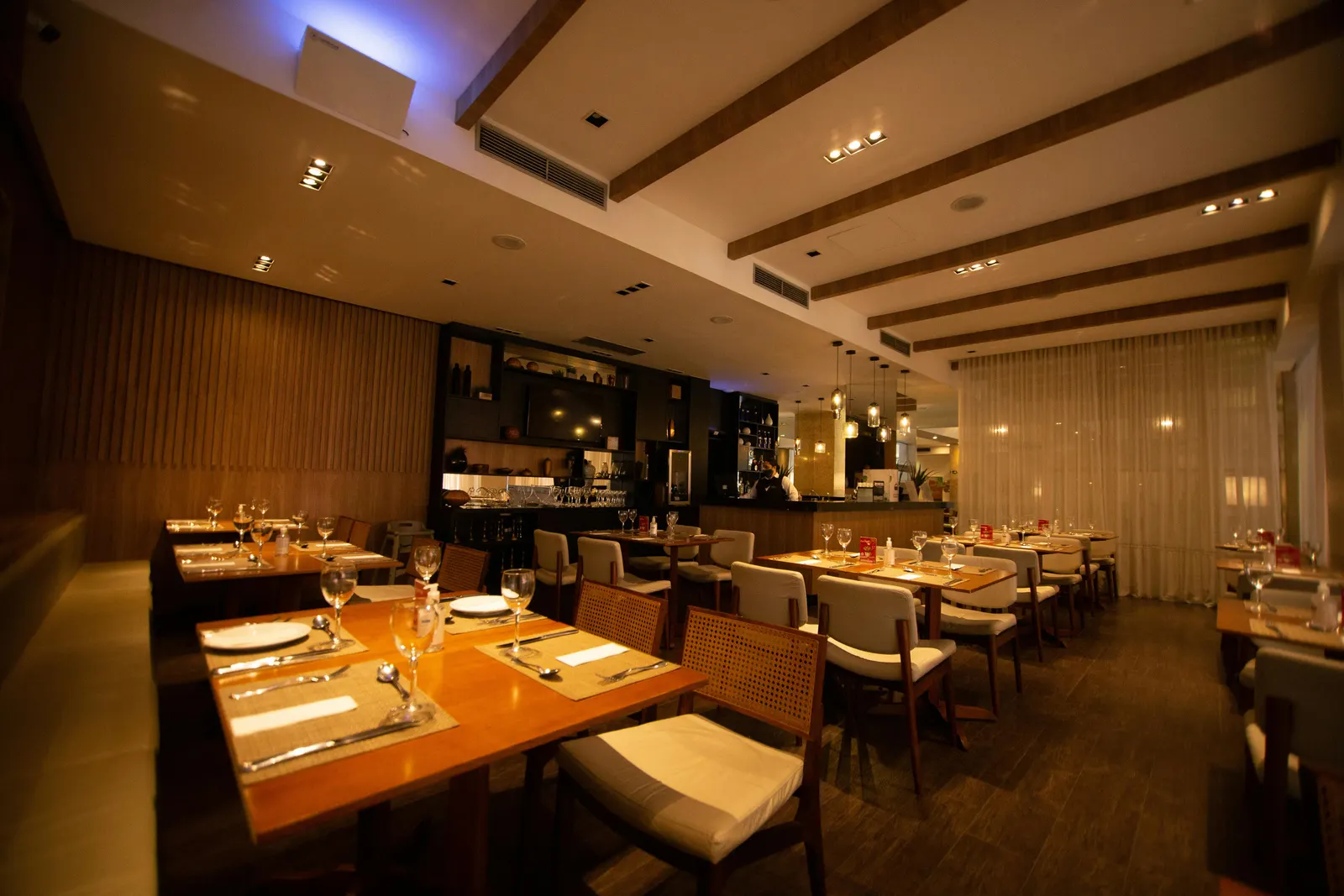
The reason occasion-fit matters more than restaurant quality is that a meal is not just food. A meal is the food plus the conversation plus the energy of the room plus the pacing of the courses plus the lighting at the table. Each of those parts can either serve the occasion or fight it.
A great date at the wrong restaurant: the food is excellent but the room is loud, the lighting is harsh, and you cannot hear each other speak. You leave remembering the friction more than the company.
A great date at the right restaurant: the food might be only good, but the room is dim, the noise is at the right level, the dishes are made to share, the pace is slow enough for conversation. You leave remembering the company more than the food.
The same logic applies to every other occasion. A good business dinner at a great restaurant with the wrong acoustics: you cannot close the meeting. A Sunday brunch at a dinner spot that does brunch on the side: the food is misexecuted and the kitchen is annoyed. A celebration at a place that does not know how to celebrate: you leave feeling like the occasion was diminished.
The right restaurant for an occasion is rarely the most famous one. It is the one that was built for that specific kind of meal.
The most common mistake (picking by food alone)
The dominant mistake in restaurant choice is over-indexing on food quality and ignoring everything else.
Reviews are biased toward food. Best-of lists are biased toward food. Conversation about restaurants is biased toward food. The whole infrastructure of how we talk about restaurants makes it easy to assume that the best food equals the best meal.
It does not. The best food at the wrong restaurant produces an awkward meal. The right restaurant with good food produces a meal you remember.
The corrective is to start every restaurant decision with the occasion. Ask what the meal is FOR. Ask what kind of energy the occasion wants. Ask what the conversation needs. Ask what the pacing should be. Ask what the room should sound like. Then narrow to restaurants that fit.
For most occasions in any city, three or four restaurants will fit well. Pick from those three or four. Almost any one of them will produce a better meal than the famous restaurant that does not fit.
Specific occasions that are routinely miscategorized
A few cases worth flagging because they get confused for each other:
A first date is not an anniversary dinner. First dates need places that allow easy conversation, room to leave early without it feeling final, food that is not overly committed (no eight-course tasting menus). Anniversary dinners can handle the bigger restaurant with the longer commitment. The two need different rooms.
A two-top dinner with a partner is not a four-top dinner with friends. The energy is different. The noise tolerance is different. The kind of conversation is different. The same restaurant can be perfect for one and wrong for the other. We have a separate piece on why a table for two is the best dining experience that goes deeper on the two-top specifically.
Sunday brunch is not Sunday dinner. They have different rhythms, different crowds, different menu formats. A restaurant that is great at one is often only OK at the other. Pick the right shift.
A weeknight dinner out is not a weekend dinner out. Weekend dinners need restaurants that can handle the rush. Weeknight dinners can use the calmer rooms that get drowned out on Saturday. The same restaurant feels like a different place at peak Saturday than at a quiet Wednesday.
A solo bar meal is not a date night. Both involve sitting at a restaurant alone for part of the time, but the meal is doing different work. The solo bar meal is for being alone in a room with other people. The date is for being with one specific other person. Different restaurants serve those goals differently.
A short occasion-to-restaurant cheat sheet
For quick reference, the restaurant types that tend to fit each occasion:
| Occasion | What to look for |
|---|---|
| First date | Tapas, izakaya, Ethiopian, small-plates, cocktail bar with food |
| Anniversary or celebration | Steakhouse, classic continental, chef-driven tasting room, the place you both already love |
| Happy hour | Cocktail bar with a real bar program, neighborhood spot that does small plates, hotel bar with character |
| Sunday brunch | Neighborhood brunch institution, bakery-restaurant hybrid, dedicated brunch spot (not a dinner restaurant doing brunch) |
| Business dinner | Steakhouse, serious chef-driven room with quiet acoustics, traditional restaurant with white tablecloths and trained servers |
| Big group (6+) | Family-style restaurant, prix fixe room that handles groups, BYOB neighborhood spot, places that explicitly take large parties |
| Late-night meal | Industry bar with a real kitchen, late-night diner, neighborhood place that runs past midnight |
| Solo dinner | Counter seating, a serious bar with food, an unfussy neighborhood spot where you can read |
| Weekday lunch | Lunch-focused spot, bistro with a midday menu, sandwich shop done well |
| Weeknight dinner | Calm neighborhood restaurant, places that get overshadowed on weekends |
When timing matters as much as the restaurant
Once you have picked the right kind of restaurant for the occasion, the second variable is when you arrive. The same restaurant can be a different experience at 6 PM than at 8 PM than at 10 PM. The general rule of thumb is to arrive 60 to 90 minutes before peak service, when the kitchen is in rhythm but not slammed. The full version is in the best time to arrive at a restaurant.
Timing matters because the staff, the kitchen, and the room all have their own rhythms across a service. Showing up at the wrong moment of a great restaurant can still produce a mediocre meal even when everything else is right. The occasion-restaurant match is half the equation. The timing of the meal within that restaurant is the other half.
The bottom line
Going out to eat is a planning problem, not a research problem. Most people treat it as research: find the best restaurant, book a table, show up. The diners who consistently eat well treat it as planning: define the occasion, narrow to the restaurants that fit it, choose the timing that works within the room, show up at the moment the room is at its best.
Done that way, almost any dining city will give you a great meal at most occasions. Done the other way, even the best food cities will produce a string of fine but forgettable nights out.
The framework is simple. Occasion first. Restaurant second. Timing third. Everything else is just preference.
FAQ
How do you pick a restaurant for a special occasion?
Start with the occasion, not the restaurant. Ask what kind of energy the occasion wants, what the conversation needs, what the pacing should be, what the room should sound like. Then narrow to restaurants that fit. The best restaurant in your city is often the wrong one for the occasion. The right restaurant is the one that was built for that specific kind of meal.
What's the difference between a first-date restaurant and an anniversary restaurant?
A first-date restaurant needs to allow easy conversation, leave room to end the meal early without it feeling final, and offer food that is not overly committed (no eight-course tasting menus). An anniversary restaurant can handle a bigger commitment: more courses, longer pacing, a more formal room. The two have different rhythms and need different settings.
Why does the room matter more than the food when going out to eat?
Because a meal is not just food. A meal is food plus conversation plus energy plus pacing plus lighting plus acoustics. Each of those can serve the occasion or fight it. Great food in the wrong room produces an awkward meal. Good food in the right room produces a memorable one. Most people over-index on food and underweight the other variables. The corrective is to start with the occasion.
Is the most famous restaurant in the city the best place for any occasion?
No. Famous restaurants tend to be famous for one specific kind of meal, usually the destination experience. They are great for celebrations and special-occasion dinners and often wrong for everything else. A tasting-menu room is wrong for a first date. A steakhouse is wrong for Sunday brunch. Pick the restaurant by occasion fit, not by reputation.
What's the biggest mistake people make when going out to eat?
Picking a restaurant by food quality alone. Reviews are biased toward food. Best-of lists are biased toward food. The whole infrastructure of restaurant talk makes it easy to assume best food equals best meal. It does not. The best food at the wrong restaurant produces an awkward meal. The right restaurant with good food produces a meal you remember. Always start with the occasion.


