Pork confit is pork shoulder cured in salt and aromatics, then cooked low and slow while completely submerged in fat until it pulls apart with a fork. It is, technically, a kind of pulled pork — just not the kind you are picturing. No smoke, no sweet bottled sauce, no bark. What you get instead is clean, deeply savory, fat-basted pork that you can crisp, shred, and fold into almost anything. It is one of the best cheap-cut-to-luxury tricks I know, and once you have a tub of it in the fridge, you cook differently for two weeks.
What pork confit actually is
Confit is not a recipe so much as a technique: salt something, then cook it slowly in fat that never gets hot enough to fry it. The fat poaches the meat, keeps it from drying out, and turns connective tissue silky. It started as preservation, since the fat seals the cooked meat from air, and survived because the result is just delicious.
The classic version is duck, and the general confit method is the same no matter what you put in the pot. Pork is the version I reach for most. It is cheaper than duck, more forgiving than you would think, and it has a quiet advantage over its leaner cousin, chicken confit: pork shoulder has enough internal fat and collagen that it is almost impossible to overcook into something dry.
It's pulled pork, just not the pulled pork you're picturing
When I say pulled pork, half the room pictures a smoker and a squeeze bottle. That is a different dish with a different goal. BBQ pulled pork is about smoke and sauce. Pork confit is about fat and time. They both end up shredded, and there the resemblance stops.
| Pork confit | BBQ pulled pork | |
|---|---|---|
| Cooking medium | Submerged in fat, low oven | Smoke + low dry heat |
| Dominant flavor | Clean, savory, garlic and herb | Smoky, sweet, sauced |
| Seasoning | Dry salt cure + aromatics | Spice rub + sauce |
| Texture | Silky, fat-rich, tender | Tender, often saucy, with bark |
| Best uses | Ragù, salads, tacos, hash | Sandwiches, plates with sauce |
| Make-ahead | Keeps under its fat ~2 weeks | Best fresh; freezes well |
Neither is better. But if you have only ever made the smoky, sauced version, the confit route is a revelation. It is the one that behaves like a restaurant ingredient instead of a weekend project.
Why pork shoulder is the cut for this
Pork shoulder is the right cut for the same reason it is the right cut for nearly everything slow: it is marbled with fat and threaded with collagen that melts into richness over a few hours. It is also one of the cheapest cuts at the counter, which is the whole point.
The other thing pork has going for it is that it takes seasoning like a sponge. Pork is a little like chicken that way: it picks up a dry cure and aromatics beautifully, far more than beef does. That is also why pork shoulder is the backbone of dishes like Puerto Rican pernil, where a long salt-and-garlic cure does most of the heavy lifting. Confit is that same idea, just finished in fat instead of its own roasting juices.
Break the shoulder down right (the part people skip)
Here is the one thing that separates pork confit from duck confit, and the step people get wrong. A duck leg arrives portioned. It is already the right size to cure and cook evenly. A pork shoulder does not. It shows up as a big, awkward hunk, and it is on you to break it down.
Cut it into even 2-to-3-inch chunks. That is not a fussy detail; it is the whole game:
- Even pieces cure evenly, so the salt actually reaches the center instead of just seasoning the outside.
- Even pieces cook evenly, so nothing is falling-apart tender while the core of a bigger lump is still tight and tough.
- Smaller pieces cook faster, which means less time and less fat.
Get the sizing right and the rest of the method is genuinely hard to mess up.
The method, start to finish
The shape of it is simple, and it is the same low-and-slow logic every time: cure, cook, store.
- Cure. Salt the chunks generously, add smashed garlic, thyme, bay, and cracked pepper, and refrigerate. Overnight is ideal; the salt seasons the meat and firms the texture.
- Cook. Wipe off the excess salt, pat the pieces dry, nestle them snug in a dish, and cover completely with fat: lard, duck fat, or even a neutral oil. Cook uncovered at a low 250–275°F until a fork slides in with zero resistance, usually three to four hours.
- Store. Let the pork cool in its fat, then keep it refrigerated and submerged. The fat is a seal; it buys you about two weeks of dinners.
That is the version that lives in my head. The timing changes with how big you cut the pieces, so I put the whole thing (cure times, cook times by size, and the finishing moves) on a one-page card you can print or save:
What to actually do with it
This is where pork confit earns its place in the fridge. It is not a finished dish so much as a head start on a dozen of them.
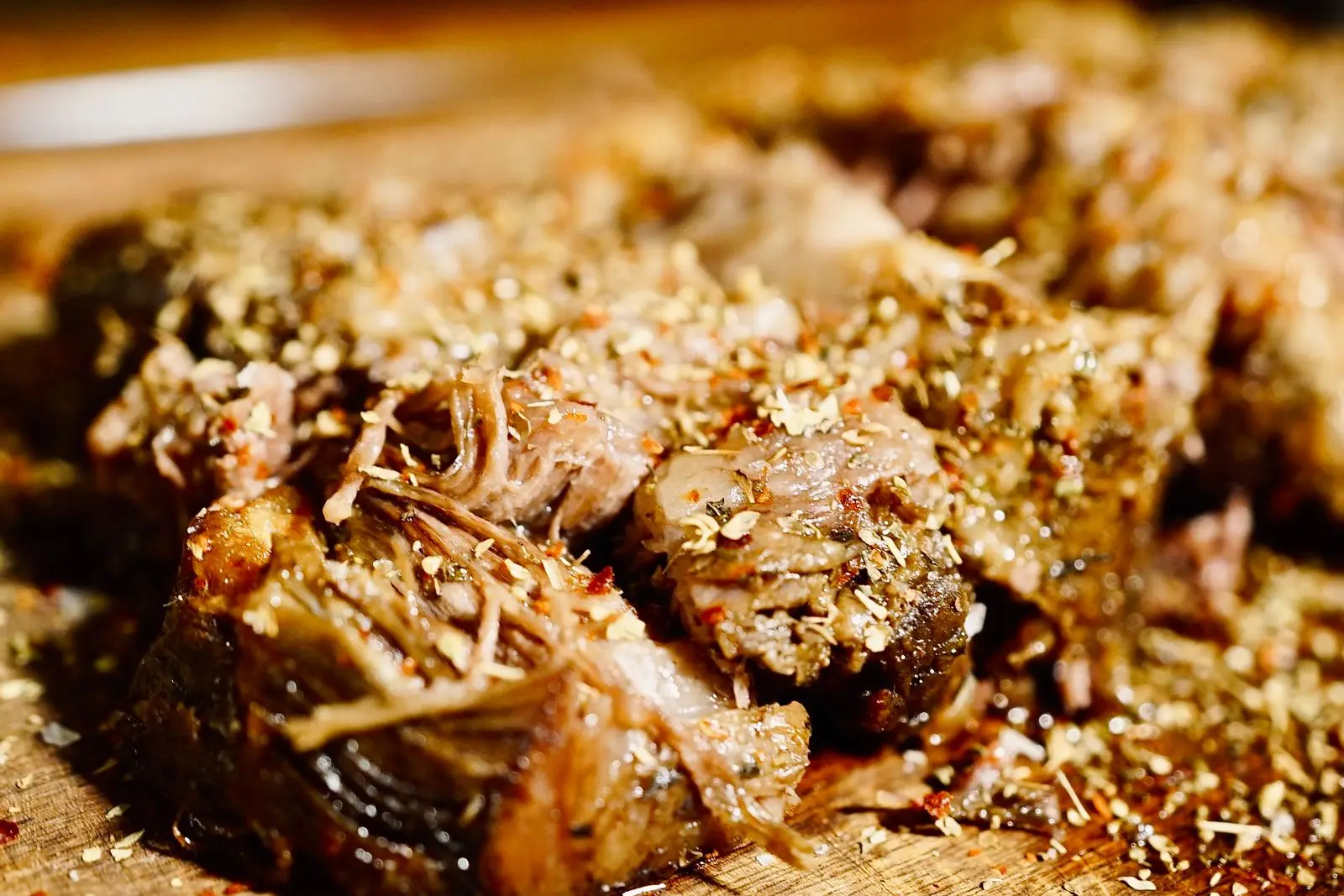
The move I use most is a shortcut pork ragù. A real ragù wants hours of meat breaking down in the pot. If the meat is already confit, you skip all of that: build a bright tomato sauce on a quick soffritto, fold in a few handfuls of shredded confit, and ten minutes later you have a sauce that tastes like it cooked all day. Crisp the pieces in a hot pan first and they hold their texture in the sauce.
From there it fans out. Crisp and shred it into tacos or a hash. Warm it through and pile it onto a grain bowl. Because it keeps for a couple of weeks under its fat, it is one of the most useful things to keep on hand, a make-ahead staple for a well-built pantry that turns one Sunday shoulder into a week of fast, good dinners.
Acid is what makes it sing
If there is one thing I would tell you beyond the method, it is this: pork confit is rich, and rich food wants something sharp pushing back. Fat with no acid is flat. Fat with acid is alive.
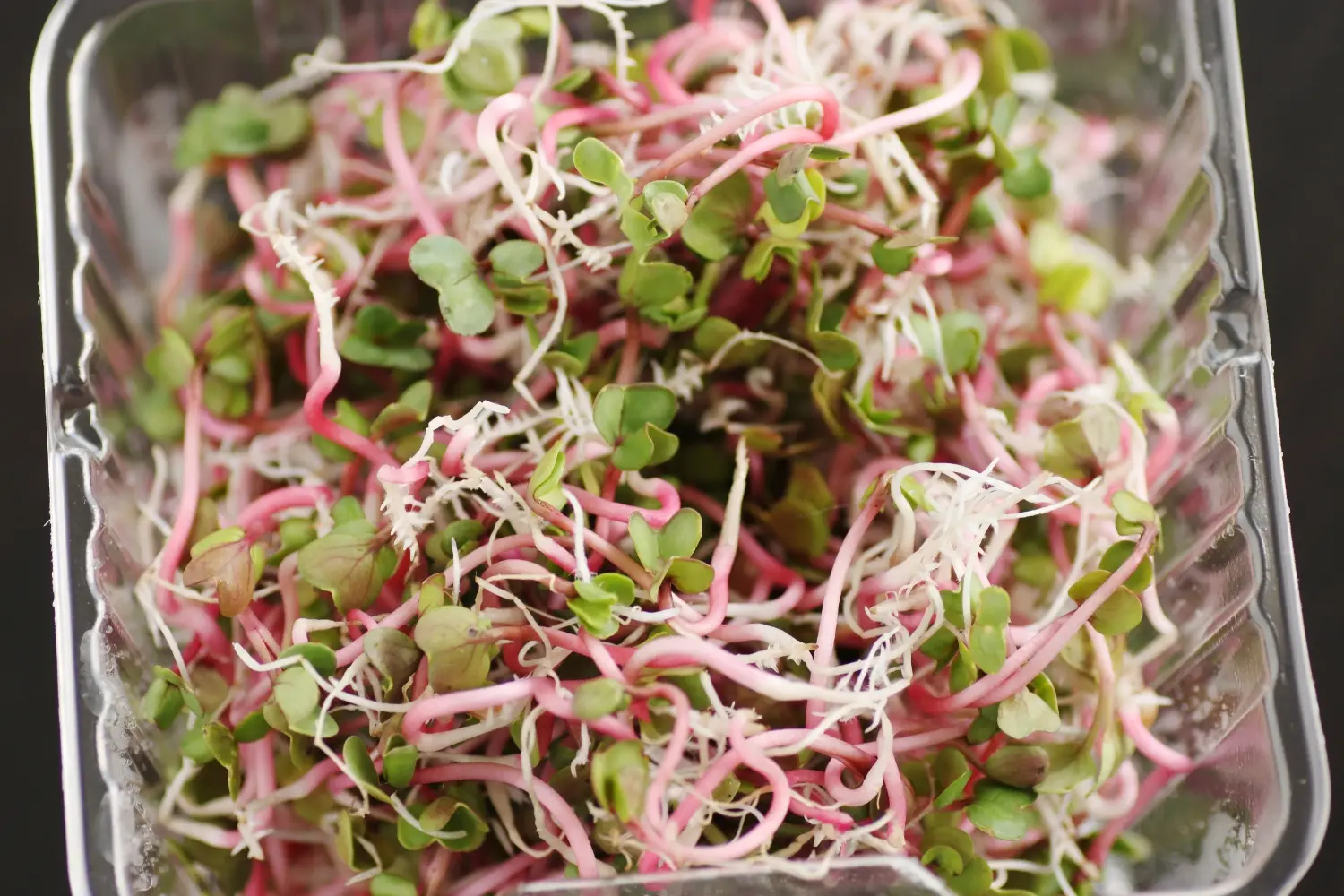
So the confit I love most is not the plain shredded pork. It is shredded confit dressed in a tart vinaigrette over something green and raw. The vinegar cuts straight through the fat and makes the whole thing pop. That balance of acid and fat is the difference between confit that is merely good and confit you keep thinking about. Make the pork, yes. But do not serve it without the lemon or the vinegar standing next to it.
FAQ
What is pork confit?
Pork confit is pork, usually shoulder, that has been cured in salt and aromatics, then cooked slowly while fully submerged in fat at a low temperature until it is tender enough to pull apart. The fat poaches the meat and, once cooled, seals it for storage.
Is pork confit the same as pulled pork?
Both end up shredded, but they are not the same. BBQ pulled pork is cooked with smoke and finished with sauce. Pork confit is cooked in fat with no smoke and no sweet sauce, so it tastes clean and savory rather than smoky. Think of confit as pulled pork's quieter, more versatile relative.
What cut of pork is best for confit?
Pork shoulder (also sold as Boston butt or pork butt). It has the fat and collagen that turn silky over a long, low cook, and it is one of the cheapest cuts available. Cut it into even 2-to-3-inch pieces so it cures and cooks evenly.
How long does pork confit last?
Stored in the refrigerator and kept submerged in its fat, pork confit keeps for about two weeks. The layer of fat seals the meat from air. For longer storage, freeze it in portions rather than pushing the fridge time.
Can you reuse the confit fat?
Yes. Strain it after cooking and keep it refrigerated, and you can use it for the next batch or for roasting potatoes and vegetables. It picks up flavor each time. Discard it if it ever smells off or has taken on a lot of meat juices.