Frozen vegetables taste bad for one avoidable reason: they get thawed first. Almost every bag is blanched in boiling water before it is frozen, so the vegetables arrive already part-cooked and coated in ice. Let that ice melt and it becomes water in the pan, which steams something that was cooked once already. The fix is to skip the thaw entirely. Cook them straight from frozen, on high heat, in a single layer, and season at the end. What to do with them after that is where a bag of frozen vegetables gets genuinely interesting.
Why frozen vegetables turn to mush
The blanching is not optional and it is not a shortcut. Vegetables contain enzymes that keep degrading color, flavor, and texture even at freezer temperatures, and freezing only slows them down. Blanching inactivates those enzymes, which is why every commercial bag goes through boiling water or steam first, anywhere from about two minutes for carrots up to eleven for large ears of corn.
So the vegetable in your freezer has already been cooked once. Not fully, but meaningfully. It walks into your kitchen with a head start it did not ask for.
Then there is the ice. Water expands as it freezes, and the crystals that form inside the vegetable puncture its cell walls from the inside. Those cells were what held the thing rigid. Thaw the bag on the counter and all that ruptured structure lets go at once, leaving you with limp vegetables sitting in a puddle of their own liquid.
That puddle is the actual enemy. Nothing browns while water is present, because the surface cannot climb past the boiling point until the water is gone. Put wet, thawed, pre-cooked vegetables in a pan and they simmer, then steam, then collapse, and at no point does anything brown. You get gray broccoli. The bag gets blamed.
None of this is a nutrition problem, incidentally. A UC Davis study published in the Journal of Agricultural and Food Chemistry compared vitamin retention across eight fruits and vegetables and found frozen generally equal to fresh, and in several cases higher, because the freezing happens within hours of harvest while the "fresh" produce spends days in transit and a refrigerator. The freezer aisle is not the compromise it gets treated as. It is only cooked badly.
The method: hot, dry, and straight from frozen
Everything below follows from the same principle. Get the water off before it can steam anything.
- Do not thaw. Not on the counter, not in the fridge overnight, not in the microwave. Frozen vegetables go into the heat as hard little rocks.
- Preheat past what feels reasonable. An oven at 425 to 450°F, or a pan over genuinely high heat. Put the sheet pan in the oven while it preheats and drop the vegetables onto hot metal. The ice has to flash off, not melt slowly.
- Toss with oil first, while frozen. A thin coat of fat conducts heat into the vegetable faster than air does and helps the outside dry and brown.
- Give them room. A single layer with space between pieces. Crowding is what traps the escaping steam against the food and undoes everything else. Two pans is not a failure, it is the correct answer.
- Leave them alone. Stirring resets the browning clock every time. Let one face sit against the metal and take on color before anything moves.
- Salt at the end. Salt pulls moisture to the surface, which is the opposite of what is wanted while browning. Season once the color is there.
A heavy pan matters more here than in almost any other application, because dropping a pound of frozen anything into a thin skillet crashes the temperature and never recovers. The cast iron already in your cabinet holds enough heat to take the hit and keep searing.
The last step is the one most people skip. Browned vegetables still taste flat without something sharp against them: lemon, vinegar, a spoonful of pickle brine. Acid is what makes food taste finished rather than merely cooked, and it matters more with frozen produce, which loses a little of its own brightness in the process.
Which bags are actually worth buying
Not all of them freeze equally. The rule is roughly water content and cell structure: dense, small, low-moisture vegetables come back well, and big watery ones do not.
| Vegetable | How it holds up | Best use |
|---|---|---|
| Peas | Excellent, often sweeter than fresh | Anything, added off the heat |
| Spinach | Excellent, but squeeze it bone dry | Fillings, soups, fritters |
| Corn | Excellent | Hard charring, fritters |
| Edamame, lima beans | Very good | Hot pan, salads |
| Artichoke hearts | Very good | Roasting, braising |
| Broccoli, cauliflower | Good roasted hard, poor steamed | High-heat oven only |
| Butternut squash | Good | Roasting, soup |
| Green beans | Fair | High heat, nothing gentle |
| Bell peppers | Fair as a side, good blended | Sauce bases |
| Zucchini, mushrooms | Poor, too much water | Skip these |
Mixed "stir fry" blends are the weakest buy on the shelf, because a carrot coin and a snow pea want completely different amounts of time and the bag gives them the same. Single-vegetable bags cook evenly and cost about the same.
The other thing worth saying plainly: frozen vegetables do not rot. That makes them the most forgiving thing in the kitchen for anyone cooking for one, where the real enemy is not skill but the half-bag of spinach turning to slime on day four.
Four things to do with a bag that aren't a side dish
Roasting them well is the floor, not the ceiling. The frozen state is actually an advantage in a few applications where fresh vegetables are harder to work with.
Vegetable rice
Put the vegetables in a food processor while they are still frozen and pulse them to the size of rice grains. This is the whole trick. Frozen vegetables are brittle and shatter into clean, distinct pieces; the same vegetables thawed are soft and turn to a wet paste in seconds. The freezer is what makes the processor the right tool.
Then heat oil in a wide pan, cook down some onion and garlic, and add the frozen crumb straight from the bowl. Spread it out, let it sit long enough to dry and catch a little color, then stir and repeat. It cooks in four or five minutes. Season at the end, hit it with lemon, and it works as a bed under fish or braised meat, or as the base of something fried-rice shaped with an egg broken into it. Cauliflower gets all the attention for this, but broccoli, butternut, and mixed root vegetables all rice well.
A creamy vegetable soup with no cream
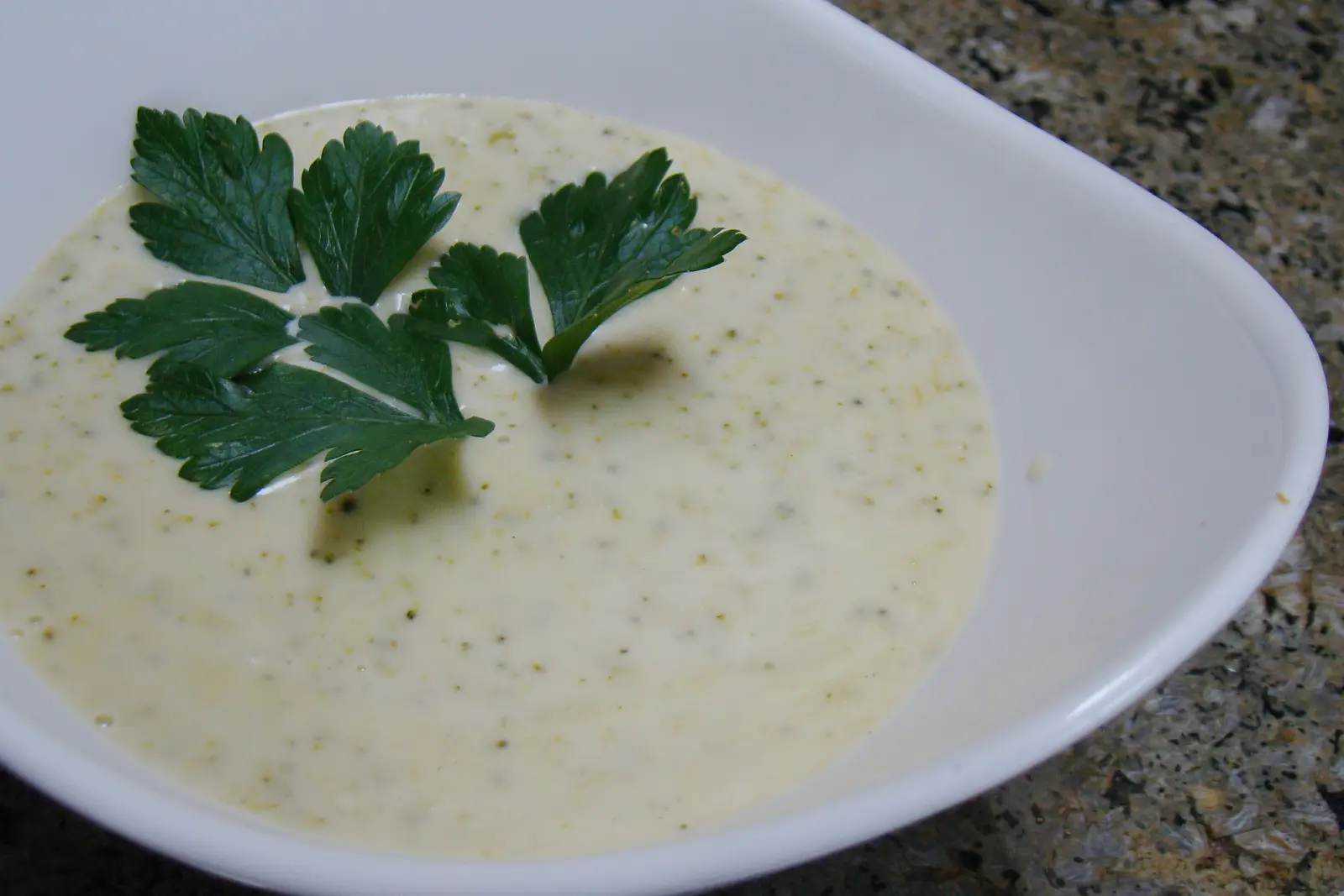
Sweat onion and garlic in olive oil, tip the frozen vegetables in without thawing, cover with stock, and simmer until everything is completely soft. Then blend it hot, pouring in a little more olive oil as it runs.
The texture comes from starch and emulsified fat rather than dairy. A potato or a handful of white beans in the pot gives body that cream would otherwise be doing, and blending hot with oil going in produces something genuinely silky. This is one of the few places where overcooking is not a risk, since the goal is total collapse. If you want the underlying logic rather than a recipe, it is the same one behind building soup out of whatever is in the kitchen.
Fritters
Here is the one deliberate exception to the no-thawing rule. For fritters you want the vegetable thawed and wrung out, because the enemy is the water and the goal is to remove it before it ever reaches the pan.
Thaw the bag, then squeeze it dry in a clean towel with real force. Spinach in particular gives up a shocking amount of liquid, and the fritter fails if that liquid stays. Chop, bind with an egg and a couple of spoonfuls of flour, season harder than feels right, and shallow fry in a hot pan until crisp on both sides. Spinach, corn, and peas all work. This is the best use for the watery bags nobody wants to eat as a side.
A blended sauce base
The last option is for whatever is left in the freezer door and past its best. Cook it down hard with onion, garlic, and enough fat, let it go well past the point of looking good, then blend it into a pasta sauce, a curry base, or the liquid for a braise.
Texture stops mattering entirely once something is puréed, which means the vegetables that freeze worst are perfectly good here. Frozen peppers make a serviceable sofrito. Frozen squash thickens a braise. Frozen spinach disappears into a green sauce and takes the whole thing with it.
FAQ
Should you thaw frozen vegetables before cooking?
No, with one exception. Thawing releases the water trapped in the vegetable's ruptured cells, and that water steams the food instead of letting it brown. Cook straight from frozen for roasting, sautéing, soups, and stir fries. Thaw and squeeze dry only when making fritters, where removing the water in advance is the entire point.
Why do my frozen vegetables come out soggy?
Almost always crowding, a pan that was not hot enough, or thawing beforehand. All three cause the same thing: liquid pooling around the food faster than it can evaporate, which holds the surface at boiling point and prevents any browning. Use a hot pan, spread everything in a single layer with space, and add nothing wet until the color is there.
Are frozen vegetables as nutritious as fresh?
Generally yes, and sometimes more. Vegetables destined for freezing are processed within hours of harvest, while fresh produce loses nutrients over days of transit and refrigeration. The UC Davis vitamin retention study found frozen equal to or better than refrigerated fresh across most of the commodities it tested.
Can you roast frozen vegetables without thawing?
That is the best way to cook them. Preheat the oven to 425 to 450°F with the sheet pan inside, toss the frozen vegetables in oil, spread them on the hot pan in one layer, and roast without stirring until the undersides brown. Salt after they come out.
Which frozen vegetables should you avoid?
Zucchini and mushrooms, which carry too much water to recover any texture, and mixed stir-fry blends, whose differently sized pieces cannot cook evenly in the same pan. Peas, spinach, corn, edamame, and artichoke hearts are the reliable buys.
There is one more argument for the freezer aisle that has nothing to do with technique. A bag of peas costs a couple of dollars, keeps for months, and is there at eleven at night when the fridge is empty and the alternative is not eating a vegetable at all. That is worth more than most of what gets called cooking.