A dark orange yolk is the color of a hen's diet, not a grade of quality stamped at the packing plant. When a yolk comes out deep orange instead of pale yellow, it means the bird ate a lot of pigment-rich food: green forage, bugs, and feed loaded with the plant pigments that tint the yolk. You won't find that color in most supermarket eggs because most laying hens never eat enough of it to get there. I know this because I raised my own chickens in Colombia, and the first egg I cracked from them was so orange it scared me.
For most of my cooking life I thought I understood eggs. As a chef in the States I bought the free-range cartons, the pasture-raised ones, the eggs with the longest paragraph on the box. I felt good about it. None of it came close to what was waiting for me on a hillside in Colombia.
The coop started as something to do
It began as a project more than a plan. When I first built my finca I was looking for things to make, and I had a pile of leftover materials from the construction sitting around. A chicken coop was basically free. I put it together out of what I already had, the same way I later threw together a hutch when I started raising rabbits for meat.
What I did not expect was to fall for the birds. I had never raised animals for food before, and I assumed it would be a chore. Instead I got attached. They roamed the whole property all day, picking through the fruit trees, and every evening around six they put themselves to bed on their own. The sun goes down at almost the same time year-round where I am, so it became a clock: six o'clock, the hens walked home, and I closed them up for the night. I got them about six weeks before they were due to start laying, and I genuinely could not wait for the first egg.
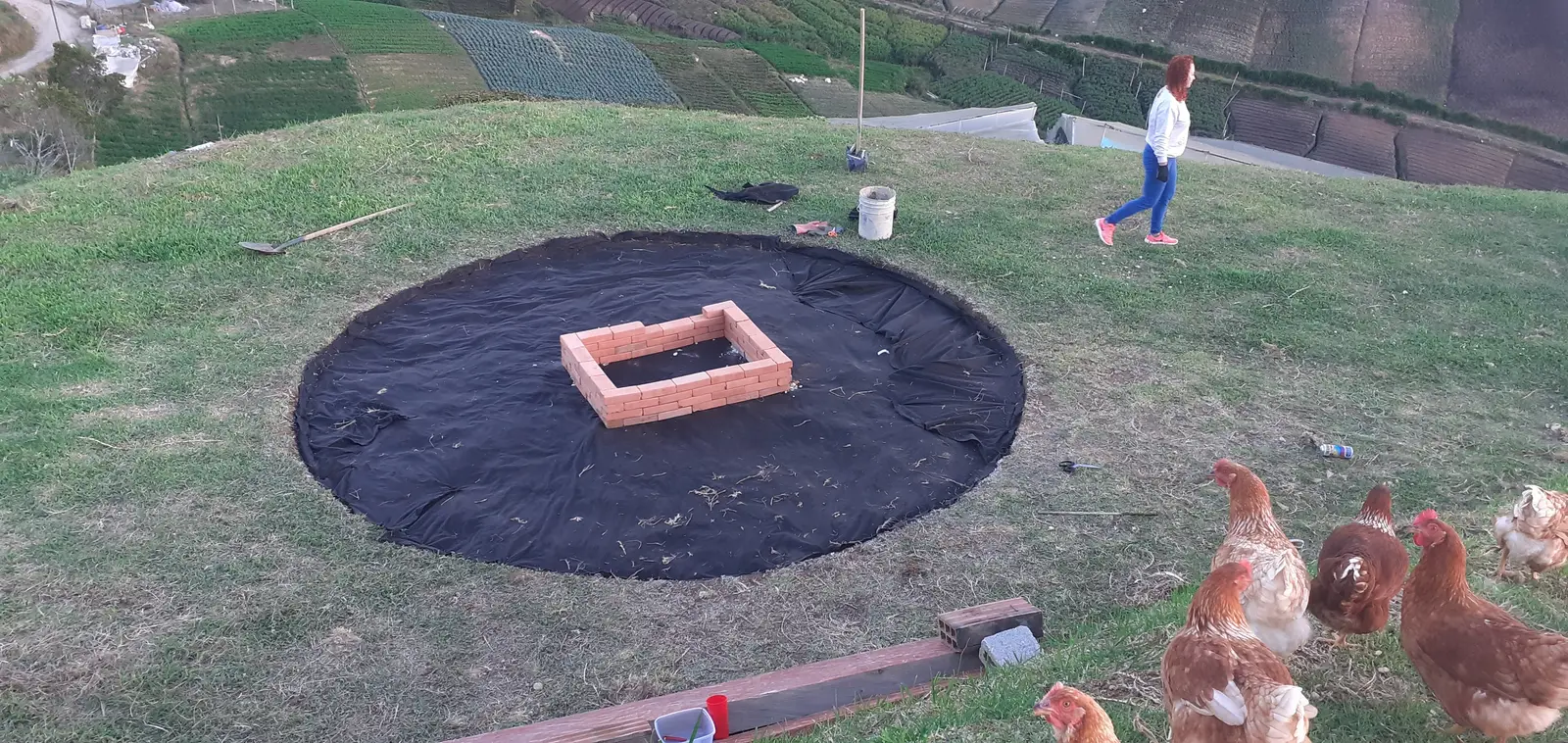
People underestimate chickens, by the way. I once watched mine corner and tear apart a mouse. They are not the gentle background animals of a children's book. They are fast, fearless little dinosaurs, and they were thriving.
The first egg scared me
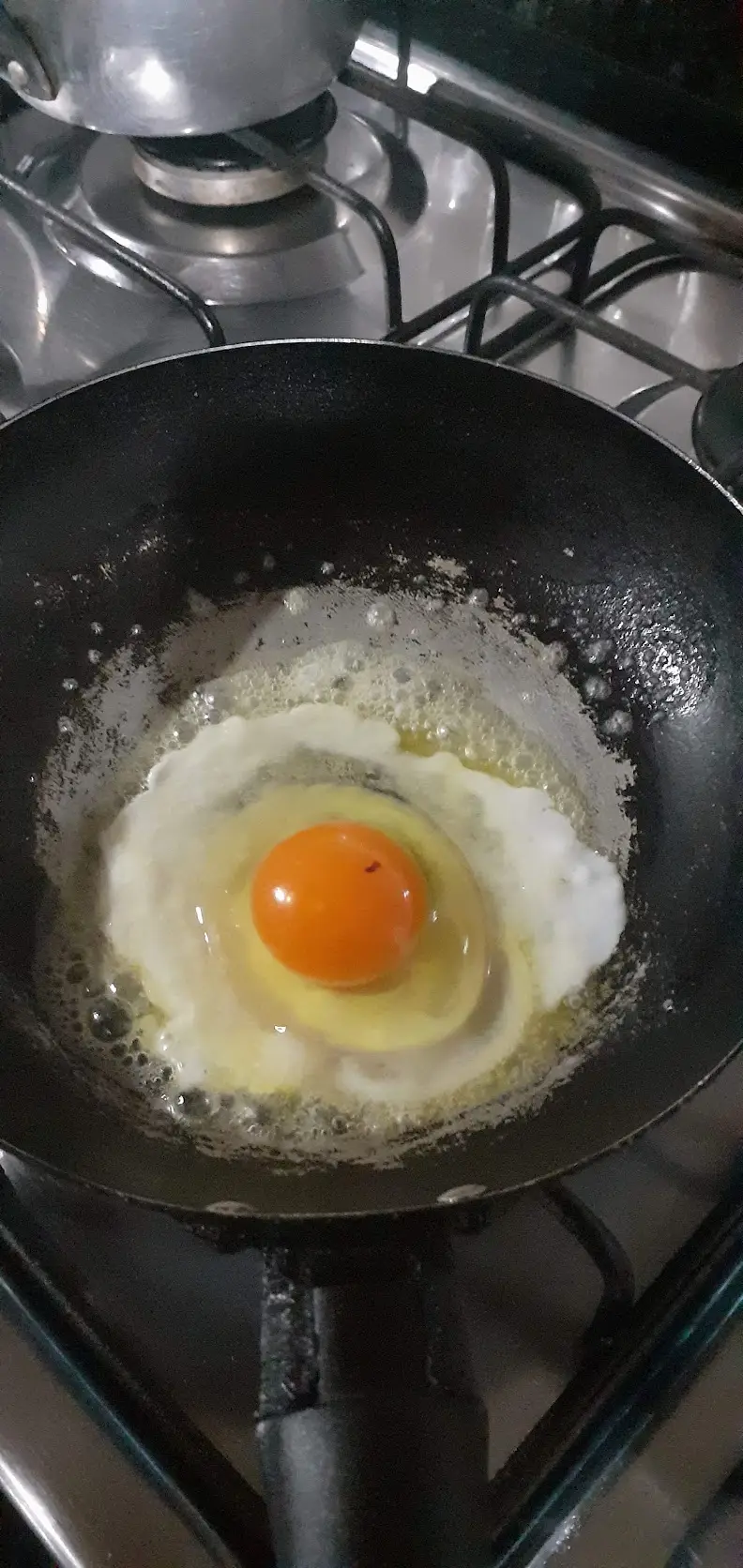
When that first egg finally came, I cracked it into a hot pan and thought something was wrong with it. The yolk was not yellow. It was not even the deep marigold I had seen on the nicest cartons. It was a dense, saturated orange, deeper than anything I had ever bought, and my first instinct was that the egg had gone bad.
My wife laughed at me. She grew up in rural Colombia, where this is just what an egg looks like, and she told me it was beautiful. To her it was obvious. To me, trained on a supermarket palette, it looked almost alarming. That gap between her reaction and mine is the whole story of this article. A rural childhood, or even a year living somewhere like a Colombian coffee town that drinks instant coffee, quietly rewires what you assume "normal" food is supposed to look like.
Here's the part worth being honest about: this was the very first egg, on the smaller side, the way a young hen's first eggs always are. Its yolk shocked me, but it was nowhere near as dark as they would eventually become. As the hens matured and settled fully into foraging the property, the color deepened well past this. The egg below is where it started, not where it ended up.
What makes a dark orange yolk
Yolk color is almost entirely about pigment in the feed. The relevant pigments are carotenoids the bird eats, specifically the group called xanthophylls, which the hen deposits into the yolk as it forms. The bird does not make these pigments. It can only pass along what it consumes, so the yolk is essentially a readout of the last few weeks of its diet.
Different foods push the color different distances:
- Wheat and barley leave a yolk pale, almost cream-colored. Hens fed mostly grain like this lay the lightest yolks.
- Yellow corn and alfalfa push the yolk toward classic yellow and light gold.
- Green forage, grass, and insects deepen it further, the foraging diet a free-ranging hen gets on its own.
- Red pigments from chili, paprika, and marigold are what carry a yolk all the way to deep orange.
My hens were getting the lower three lines all at once. They had good feed, but they were also out all day eating grubs, worms, and whatever fell from the fruit trees, plus all of our kitchen scraps. That foraging is what built the color.
There is one honest footnote here, because it matters. On a tip, I started buying a feed with paprika in it, which is a standard trick for deepening yolk color. It worked on the color. Commercial producers do the same thing at scale, adding marigold extract or paprika to standardize the golden yolk shoppers expect. But that pigment is cosmetic. It changes the shade, not the substance. The flavor of my eggs never came from the paprika. It came from everything else the birds were eating.
The taste, and the milk lesson before it
The color was the headline, but the taste was the real shock. These eggs did not taste bland. They tasted intensely, almost aggressively, like egg. For some people that richness would actually be too much. For me it was the point. A piece of toast with one egg on top was a full meal, no cheese, no bacon, nothing else needed. Those eggs became the heart of the big farm breakfasts I learned to eat in Colombia. That alone changed how I cooked breakfast, and it fits a lesson I keep relearning: the simplest meals you make when money is tight are often built on one ingredient being genuinely good.
I had been here before, with milk. When a neighbor first handed me raw milk straight from the cow, it reset my whole idea of what milk was supposed to taste like, and I went from drinking it once a week to wanting it every day. The eggs did the same thing. Richness lives in fat and in what the animal actually ate, which is the same reason a well-marbled steak tastes like something a lean one never will.
People will tell you it is partly in your head, that knowing the egg came from a happy bird on healthy land makes you taste more than is there. Maybe. I cannot run a blind test on my own breakfast. I only know that the difference was not subtle, and that I was not looking for it the morning it scared me in the pan.
They were enormous, and tough to crack
One thing I genuinely cannot fully explain: the eggs were huge. Not slightly bigger, noticeably bigger than anything I bought at a store. I don't want to invent a tidy reason. My honest guesses are that the hens were relaxed, had unlimited food, and moved constantly, so they were never the overfed, cooped-up birds you sometimes picture. They were brown laying hens, the kind bred to be reliable layers, but I don't think the breed alone explains the size. I just know I kept being surprised by how much egg was inside the shell.
The shells were a story of their own. Store eggs I'd bought were often so fragile they seemed to crack if you looked at them wrong. These were heavy-duty. They needed a firm, deliberate tap on the edge of the pan to break, with a real thickness to the shell that you could feel in your hand. That's the kind of sturdiness you get when a hen eats a varied, calcium-rich diet instead of a minimal ration, and it was one more way these eggs simply did not behave like the ones from the carton.
If you want the part that does have research behind it: when the diet genuinely differs, the nutrition differs too, not just the color. Penn State researchers found that eggs from pastured hens carried about twice the vitamin E and long-chain omega-3 fats of eggs from caged hens, along with more total omega-3. A dark orange yolk does not guarantee any of that on its own, since pigment can be added without changing the diet. But a yolk that got dark because the bird truly foraged is often carrying more than color.
We became the egg people
The economics surprised me as much as the eggs did. I wasn't really spending less money. What I used to spend buying eggs for two people, I now spent on feed. The difference was the volume. That same money was producing something like ten times the eggs.
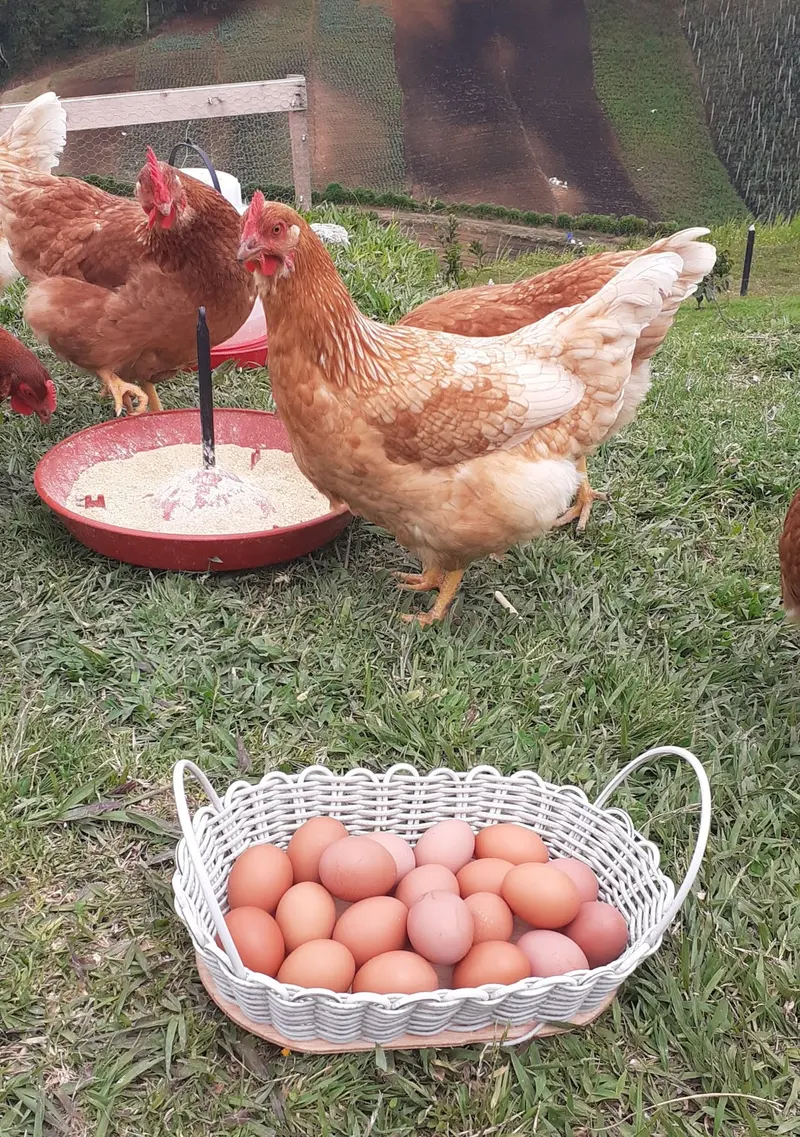
So we gave them away. I started with five hens to test the idea, went to ten, then twenty, and topped out around twenty-five. We ate eggs constantly. My brother-in-law's household ate our eggs. The neighbors below us ate our eggs. Any time we drove to see family in the city, we showed up with a bucket of them. We became, unmistakably, the egg people, and I have no complaints about that title.
The full circle
The strange part is that I started my career buried in eggs. In culinary school we spent the better part of a week on nothing else: the French omelet, the American omelet, eggs Benedict, hollandaise. Then I went years barely thinking about an egg as anything but an ingredient inside something more important.
The finca handed the egg back to me as the main event. A dish like the Spanish tortilla, where eggs are the entire point rather than a binder, suddenly made complete sense. I'd like to write about those egg-forward dishes properly one day. For now it's enough to say that it took moving to a hillside and waiting six weeks for a hen to do her job for me to remember that an egg, the right egg, is already a meal.
FAQ
What makes a dark orange yolk?
Pigment in the hen's diet, specifically carotenoids called xanthophylls that the bird deposits into the yolk. Green forage, insects, yellow corn, and red pigments from paprika or marigold all deepen the color. A pale yolk usually means a grain-heavy diet with little of that pigment. The yolk is essentially a record of what the hen ate over the previous few weeks.
Are dark orange yolks healthier than pale ones?
Not automatically. Color alone proves the bird ate pigment, not that the egg is more nutritious, because producers can add marigold or paprika to deepen color without changing the rest of the diet. That said, when a yolk is dark because the hen genuinely foraged on grass and bugs, the egg often does carry more vitamin E and omega-3 fats than a caged-hen egg. The diet drives both the color and the nutrition, but the color can be faked and the diet cannot.
Does paprika in chicken feed change how the egg tastes?
No. Paprika and marigold deepen the yolk's color, which is why they're added to commercial feed, but they don't meaningfully change the flavor. Taste comes from the bird's overall diet, its foraging, and freshness. I fed my hens a paprika-enriched feed and it made the yolks redder without making them taste any different.
Why are store-bought egg yolks so pale?
Because most laying hens are fed a controlled grain-based diet with limited pigment and little or no foraging. Many supermarket eggs land on a standardized light-to-medium yellow on purpose. A genuinely dark orange yolk usually requires either real pasture access or added pigment, and most large-scale operations aren't giving hens the run of a field.
Were the farm eggs really bigger than store eggs?
Mine were, noticeably, though I can't give you a single clean reason. The likely factors are relaxed, free-roaming hens with constant access to food and forage rather than confined birds. Egg size is influenced by the hen's age, breed, and diet, so it varies, but the difference between my hens' eggs and the cartons I used to buy was hard to miss.