
What does raw milk taste like straight from the cow? Let me start with the unserious answer, because it's the honest one: like the nectar of the gods. The serious answer is that it tastes like whole milk with the volume turned all the way up. It's sweet. Not faintly sweet, not "you can detect a hint of" sweet. It tastes like someone stirred sugar into it, except no one did. It's thick enough to feel like it has weight. And it leaves a film of fat on your lips that sits there a full minute after you swallow. It is, in a word, decadent. One note before we go further: I'm not a doctor, this isn't medical advice, and it isn't an endorsement. It's just what happened to me.
I was raised on the food-safety gospel
I was born and raised in the United States and trained as a cook in New York City's kitchens. If you come up that way, food safety isn't a topic, it's a religion. You learn the temperature danger zone before you learn to hold a knife properly. You learn that milk lives in a refrigerated case, in gallons, behind a date stamp, and that the date stamp is the law. Pasteurization wasn't something I thought about. It was the water the fish swims in. Sealed, chilled, regulated milk was the only milk that existed.
That upbringing matters, because it's the thing the rest of this story had to get past.
Colombia handed me two milk culture shocks
I split my time between the U.S. and Colombia, and milk here delivered two shocks in a row.
The first was the bags. Walk into a Colombian supermarket and you'll find milk sold in plastic bags, sitting on an unrefrigerated shelf, rated to last for weeks. Not cartons. Not jugs. Bags. To a brain trained on the American cold chain, this looks impossible, like finding fresh fish on the stationery aisle. It's UHT milk, heated past boiling for a couple of seconds, which is exactly why it survives on a shelf and also why it carries that faint cooked flavor. It's one of those small everyday differences that make a place feel genuinely foreign, the way a Colombian coffee town that drinks instant rearranges what you thought you knew about it.
The second shock was the opposite of the first. It was milk that had never been processed at all.
The soda bottle at the door
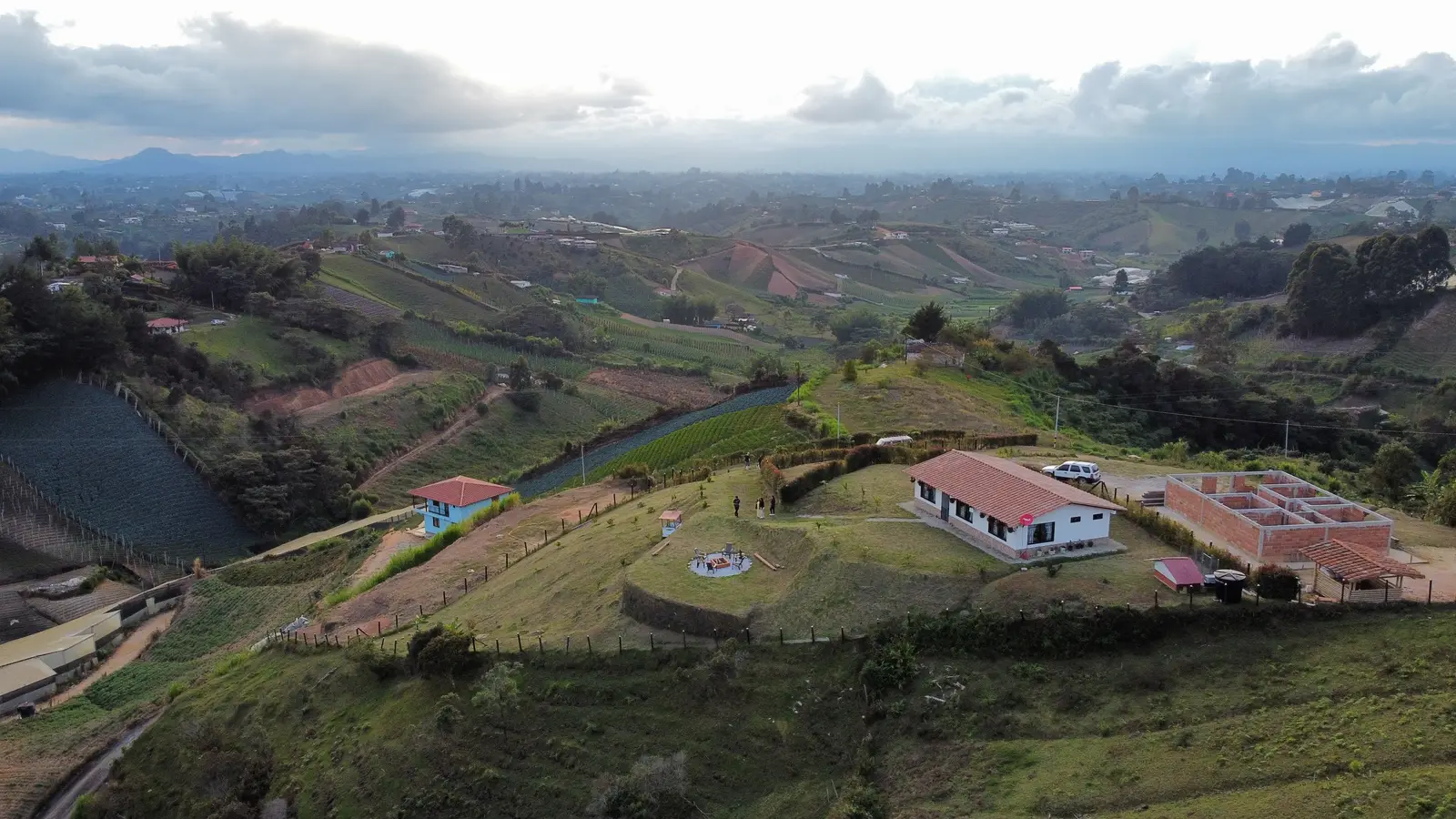
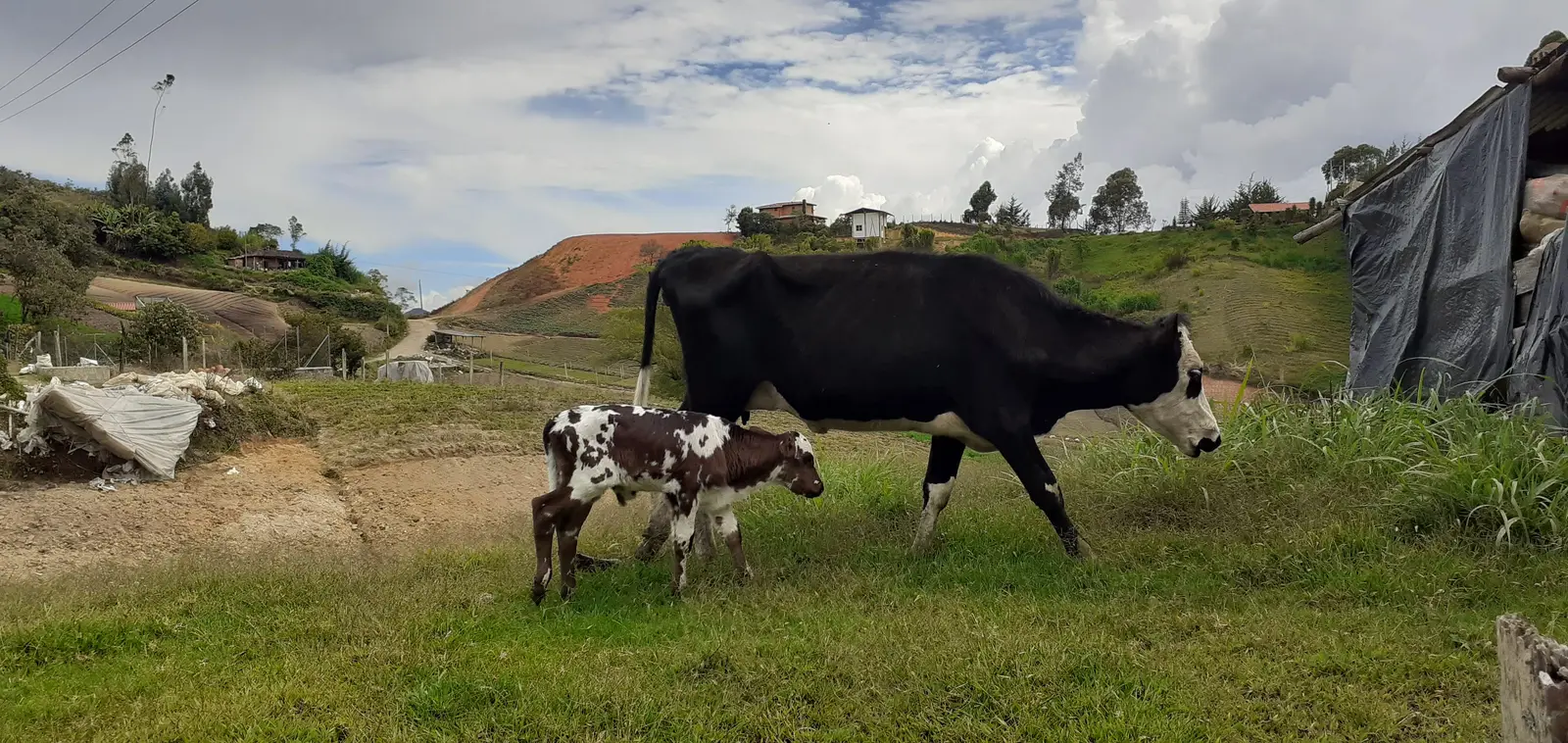
Here's how it happened. Somewhere in the COVID years I developed an unlikely dream for a lifelong city kid: I wanted to live on a farm. And I did it. I built a finca, started growing some of my own food, raised chickens (whose eggs came out with yolks so orange they startled me) and rabbits, and settled into a rural life I had no business knowing how to live. Some of my neighbors kept cattle, mostly dairy cows.
One day a neighbor walked over and handed me an empty soda bottle that was no longer empty. It was full of raw milk.
Every alarm my training had installed went off at once. Unpasteurized milk, in a reused soda bottle, no refrigeration, no date stamp. I took it because refusing would have been rude, but I was already writing the part of the story where I get sick. My wife, standing next to me, had the opposite reaction. She was thrilled. She grew up around this. She talked me into a glass.
It was the best thing I had ever tasted. And I still couldn't relax about it. So we did the thing that let me have both: we pasteurized the rest of the bottle ourselves, slow and gentle on the stove, and drank it that way. To this day I think pasteurization is there for a reason. I'm not a scientist and I won't pretend to litigate it. I just couldn't fully get over the raw part, so I cooked it, and it was still unlike any milk I'd had in my life.
So what does it actually taste like
Now the part you came for. Three things separate raw milk from the carton in your fridge, and you taste all three at once.
The fat. Store milk is homogenized, a mechanical process that shatters the fat into particles small enough to stay suspended so the cream never rises. Raw milk skips that entirely. The fat stays in big intact globules, the cream floats to the top, and when you drink it that fat coats your mouth and lips. That film I mentioned is literally undisrupted butterfat. Fat is where richness lives, which is the same reason a well-marbled steak tastes the way a lean one never will.
The sweetness. This is the part nobody warns you about. It doesn't taste "less processed." It tastes sweet, genuinely sweet, like a dessert that forgot to add anything. I have no clean explanation for the intensity of it. I only know I've never gotten it from a carton.
The lack of cooking. Pasteurization applies heat (the standard is about 161°F for fifteen seconds, well below boiling) and even that gentle cook nudges the flavor. UHT, heated past boiling, changes it a lot. Raw milk has had none of that, so whatever the cow's diet and the season put into it arrives intact.
Put it together: fat you can feel, a sweetness that seems impossible, and a freshness that store milk trades away for shelf life and safety.
I went from milk once a week to milk every day
I was never a milk person. Before Colombia I had it maybe once a week on cereal, and I never once stood in a kitchen craving a cold glass. That changed completely. I became the person who wanted milk, part of a wider reeducation in what a Colombian breakfast could be. We started buying it from our neighbors regularly. We made our own butter. We made fresh cheese, the kind of rustic, pre-refrigeration dairy people did for centuries before the cold chain existed.
There's a traditional Colombian dessert called postre de natas, where you simmer milk over and over, skim the skin that forms each time, collect those layers for hours, and cook them down into a pudding. We made that too. The whole household reorganized itself around this milk.
And then my body sent me a bill
Here's the part I went back and forth on, and decided I owed you. After about a year of this (milk every day, butter we churned ourselves, cheese on everything), I went in for a routine checkup and my cholesterol was up. Noticeably. When my doctor heard what my diet had become, his response was, roughly, "are you crazy?" I cut back. The numbers came down.
I am not telling you raw milk raises cholesterol. I genuinely don't know what did. It could have been the milk. It could have been the butter and the cheese and the entire all-dairy-all-the-time life I'd built. It could be my own body and my own genetics, which are mine and not yours. I'm not a doctor, I'm not running a study, and I'm not drawing a line from the milk to the number. I'm just telling you what happened to me, because leaving it out would make this a sales pitch instead of a story.
Where that leaves me
I still believe pasteurization exists for a reason, and I still reach for it. I don't drink raw milk the way I used to. But I don't regret the year. It finally made sense of my wife's face when that neighbor showed up with a soda bottle: to her, and to most of the world, raw milk isn't exotic or dangerous. It's just breakfast. I went looking for a farm and found out what milk is supposed to taste like. The version in the cold case is safer, and I'll keep drinking it. It's just not the same thing.
FAQ
What does raw milk taste like?
Sweet, thick, and rich, well beyond any store-bought whole milk. The sweetness is the surprise: it tastes almost like sugar was added. The fat coats your mouth and leaves a film on your lips, and the whole thing reads as decadent rather than "healthy."
Why is raw milk sweeter than store-bought milk?
Most people are shocked by how genuinely sweet it is. It hasn't been heat-treated or homogenized, so the flavor arrives the way it left the animal, and the natural sweetness of very fresh milk comes through far more than it does in a processed carton.
Why does raw milk feel thicker and leave a film on your lips?
Because it isn't homogenized. Store milk is forced through tiny openings to break the fat into particles that stay suspended, so it feels thin and uniform. Raw milk keeps its fat in large, intact globules, the cream rises to the top, and that undisrupted butterfat coats your mouth.
What's the difference between raw, pasteurized, and UHT milk?
Raw milk is untreated, straight from the animal. Pasteurized milk is heated to about 161°F for roughly fifteen seconds to kill bacteria, then chilled. UHT milk is heated past boiling for a few seconds so it can sit unrefrigerated for weeks, which also gives it a faint cooked taste. Most store milk is also homogenized; raw milk is not.
Is raw milk legal?
It depends entirely on where you are. The sale of raw milk is restricted or banned in many places (in the US, interstate sale is prohibited, and rules vary widely by state and country). This article is about what it tasted like to me, not a recommendation to seek it out.


