
Yes, cooking is a love language, and it is the most legible one there is. Every other form of care needs interpreting. Food does not. Someone stood in a kitchen, spent time they could have spent on anything else, and made something that keeps you alive another day. The message is inside the act. What people usually mean when they say cooking is their love language is acts of service, but cooking is a specific kind of service: the only one whose result you take into your body. That is why it lands differently, and why it is hard to fake.
Food is love, and the phrase is doing more work than people think
"Food is love" gets said so often it has gone soft. People put it on tea towels. But the phrase is describing something real, and the mechanism is worth spelling out, because it explains why a mediocre plate from the right person beats an excellent one from a stranger.
Feeding someone is the oldest form of care that exists. Before it was romantic it was survival. The first thing anyone ever did for you, before language, before you had a name you recognized, was feed you. That circuitry gets laid down early and it never really goes away. So when an adult cooks for another adult, they are operating on a channel that predates every other way humans have invented to say they care.
There is also the specificity of it. A gift can be generic. A text takes eight seconds. But a plate of food is evidence of a series of decisions somebody made about you: what you like, what you cannot eat, how you take it, how much you eat. You cooked this, for them, because you know them. The knowledge is baked in, and it is legible to the person eating. Even the dish you carry to a potluck says something, though there the message is aimed at a room rather than a person.
What breaking bread actually means
The phrase "breaking bread" comes to English from scripture, where sharing a loaf marked fellowship and the settling of differences. But the reason it survived thousands of years past its origin is that the mechanics still hold: to break bread with someone is to sit down and eat from the same source, which is a small act of trust every time.
That is the part people miss. Sharing food is not just a nice thing to do together, like watching a film. You are putting something into your body that another person handled. Every culture that ever built a hospitality tradition built it on that premise. The meal is where hostility is set down, because you cannot easily eat with someone you are actively at war with.
It also explains why the meal keeps going after the food is gone. In Spain that stretch has its own word for the time you spend at the table after the plates are cleared, which tells you the eating was never the whole point. The food was the reason to sit down. The sitting down was the reason for the food.
The apple cake I baked for my sister
My first real memory of cooking something is a cake for one of my sister's birthdays. I want to say it was my sister; I was young enough that the details have gone soft around the edges. It was an apple cake, cinnamon apple through the middle, and I was well under ten years old.
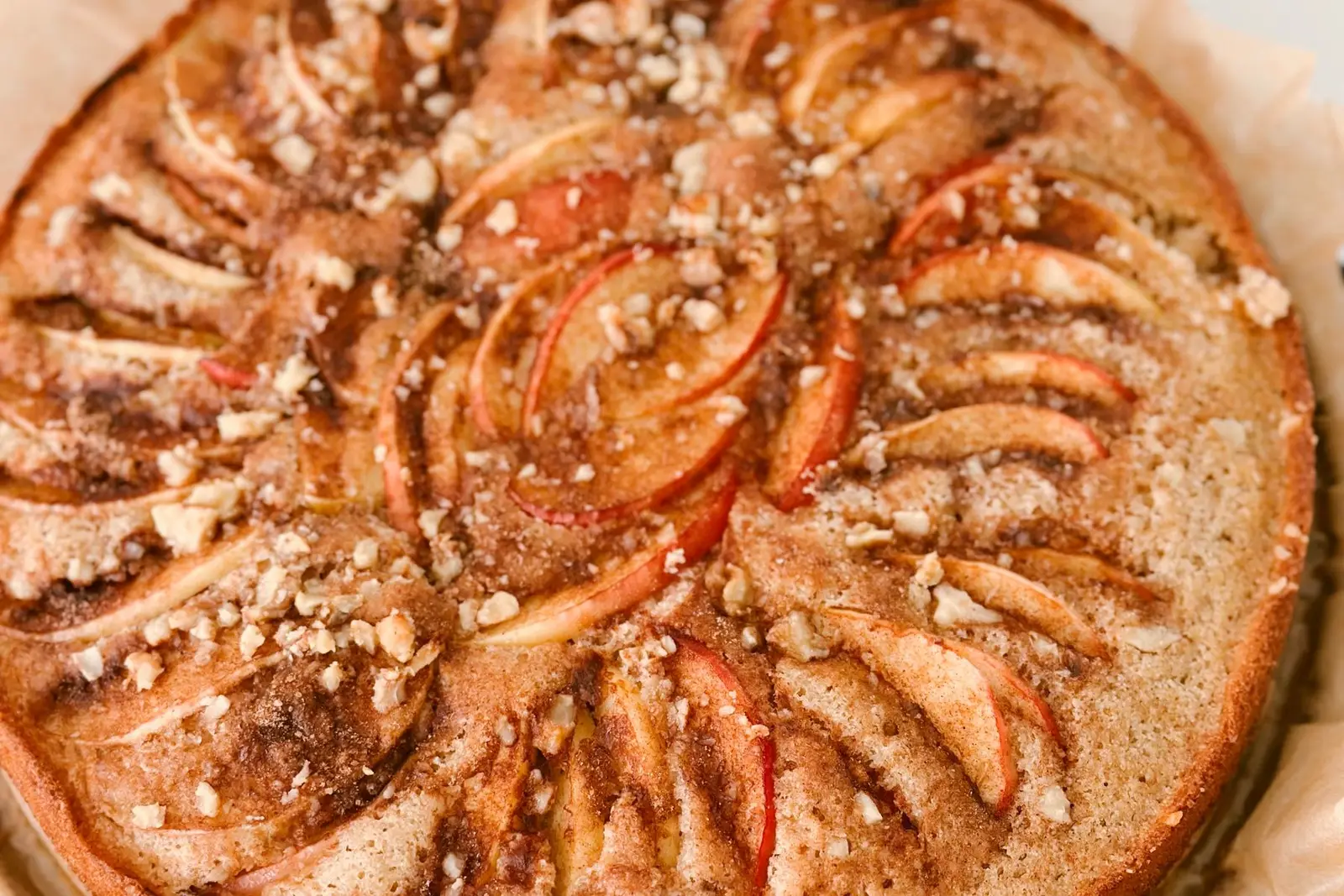
What I remember is not how it tasted. I have no idea how it tasted. What I remember is the feeling of making it for somebody, which was a completely new sensation to me at that age.
Here is the thing about being a kid: you are always on the receiving end. You are fed constantly, three times a day, by people who love you, and you cannot see any of it. It is just weather. It is the condition you live in. You have no way to register it as love because you have never been on the other side of it.
That cake was the first time I was on the other side. I understood, standing in that kitchen, that I was doing something for another person and that the doing was the whole point. The cake was almost incidental. Decades later, after years in professional kitchens, I have not found a cleaner version of the feeling. I just found it earlier than most people because I happened to be holding a mixing bowl before I was ten.
Why Thanksgiving food doesn't have to be good
I will say the thing nobody says: Thanksgiving dinner is not good food.
I mean that technically. Turkey is a lean bird that everybody overcooks. The stuffing is bread. The sides are largely beige. If you served that exact menu at a restaurant on a Tuesday in April, it would close by summer. There is a reason no serious chef has ever built a career on the Thanksgiving plate.
And people love it more than almost anything they eat all year.
That gap is the whole argument. The turkey can be bone dry and you will still carry a warm memory of that table. Which means the quality of the food was never what you were responding to. What you were responding to was a room full of people who showed up, and somebody who got up early to cook for all of them, and the fact that it happens on the same day every year whether or not anyone feels like it. The food is the occasion for the gathering, not the reward.
This is also why holiday food resists improvement. Try to serve a better version and people get annoyed. They are not there for a better version. They are there for the one that tastes like the last thirty of them. The New Year's table runs on the same logic, where what the dish is supposed to symbolize matters far less than the fact that somebody made it again.
The Tupperware
The clearest lesson I got on this came much later, and I was on the receiving end again.
I had left kitchens by then and moved into technology, doing marketing and web design in an office. That transition was strange in a way I did not expect. I had spent years in a world that ran on food, where the whole day was organized around feeding people, and suddenly I was at a desk.
My girlfriend at the time, now my wife, lived close but not with me. One week she brought me food. Just Tupperware, a meal packed for my next day at work. She would stay the night and I would leave in the morning with it. It became a habit. She was already cooking for herself and her son, and at some point she started cooking for me too.
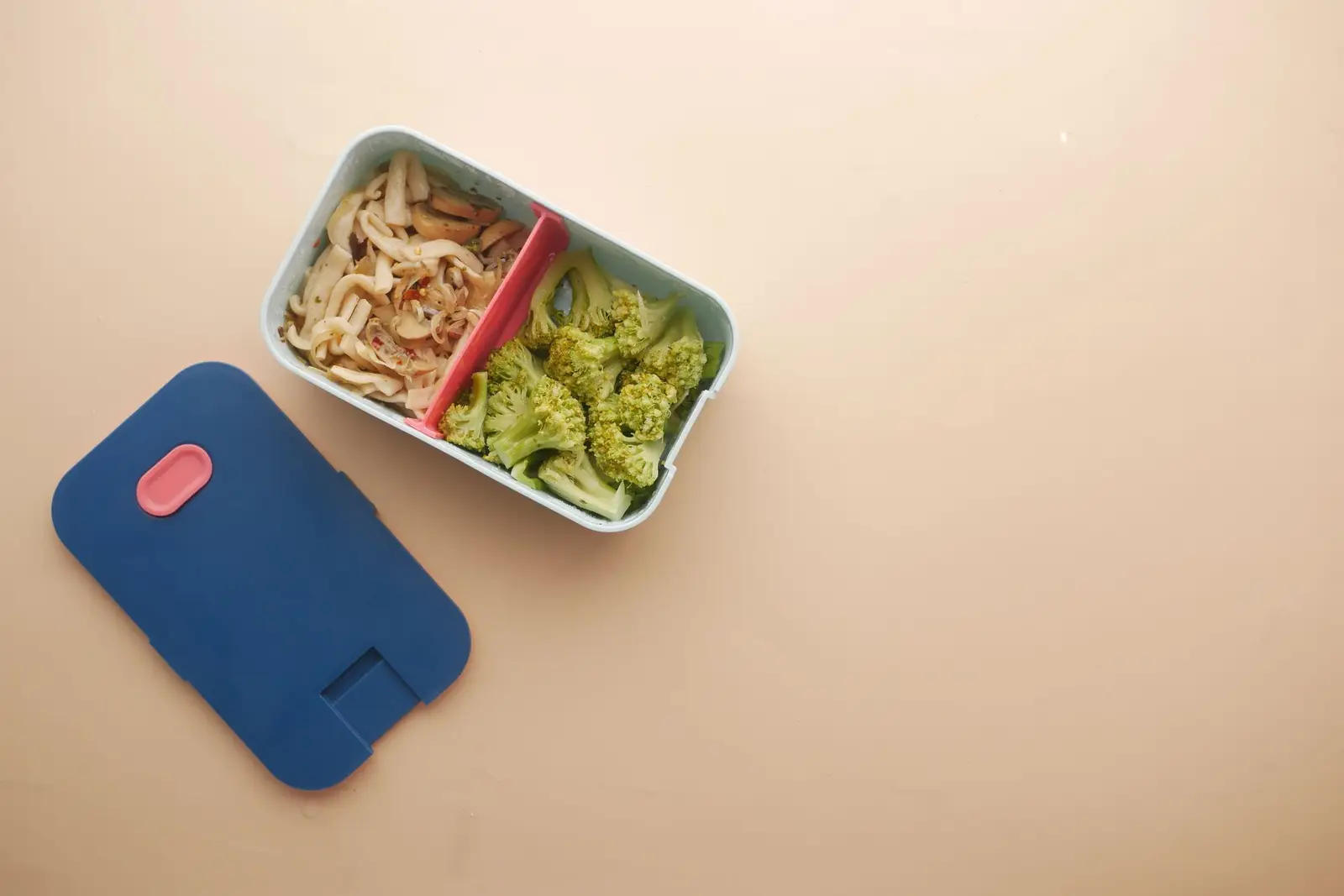
I want to be precise about why that mattered, because on paper it is a small thing. It was not a romantic gesture. There was no occasion. It was somebody thinking about me during a part of the day when I was not there, and deciding I should eat well in a building she would never see. That is not a performance of care. Nobody was watching.
There is no way to look at that and not see the love in it.
You can taste the love, and you can taste its absence
People say you can taste the love in food. I believe it, and I say that as someone who spent years watching the counterexample.
I have seen burned-out cooks put out food without any of themselves in it, and the food suffers. Not because affection is an ingredient, but because caring is what makes you check. It makes you taste the sauce a fourth time. It makes you turn the pan down when you are already behind. A cook who has stopped caring is executing steps, and the plate reads as exactly that: correct and empty.
The same thing runs in the other direction at home, which is why your mother's version of a dish beats a technically superior one. She was not following a procedure. She was paying attention, for years, to how you specifically like it.
That distinction is also the honest limit of the restaurant version. Great hospitality is real and it is a craft; the Mexican cooks I have worked alongside practice a form of it that most dining rooms never touch. But it is generosity extended to whoever walks through the door. Cooking for someone you love is generosity aimed at one person. Those are related things, not the same thing.
And plenty of families never say any of it out loud. Some say it entirely through the food, the way Filipino households do at the table, where the plate is the sentence. If you grew up like that, you already knew the answer to this question. You just did not have a phrase for it until somebody put "love language" on a tea towel.
FAQ
Is cooking a love language?
Yes. It falls under acts of service in the standard five love languages framework, but it is the most direct version of that category. Cooking requires time, attention, and specific knowledge of the person you are feeding, and the result is something they take into their body. That combination makes it unusually hard to fake and unusually easy to read.
What does it mean when someone cooks for you?
It means they spent a resource they cannot get back, time, on your wellbeing, and that they applied what they know about you while doing it. What they cooked, how they cooked it, and what they left out are all information. Regular, unprompted cooking, like packing you food for a workday, is the strongest version, because there is no audience for it.
What does breaking bread actually mean?
Breaking bread means sharing a meal as a gesture of fellowship, trust, or reconciliation. The phrase comes from scripture, where a shared loaf marked communion between people. It survived because the underlying act still works: eating from the same source with someone is a small, repeated act of trust.
Why do people love Thanksgiving food when it isn't very good?
Because the response is not to the food. Thanksgiving dishes are mostly lean overcooked poultry and starch, and they would not survive on a restaurant menu. What people are responding to is the gathering, the repetition year over year, and the fact that somebody cooked for everyone. The food is the occasion, not the point, which is why dry turkey still produces warm memories.
Can you really taste love in food?
You can taste its effects. Caring about who is eating makes a cook taste more often, adjust more, and stop when something is wrong instead of pushing it out. Indifference shows up as food that is technically correct and flat. So the love is not an ingredient, but the attention it produces changes the plate.


