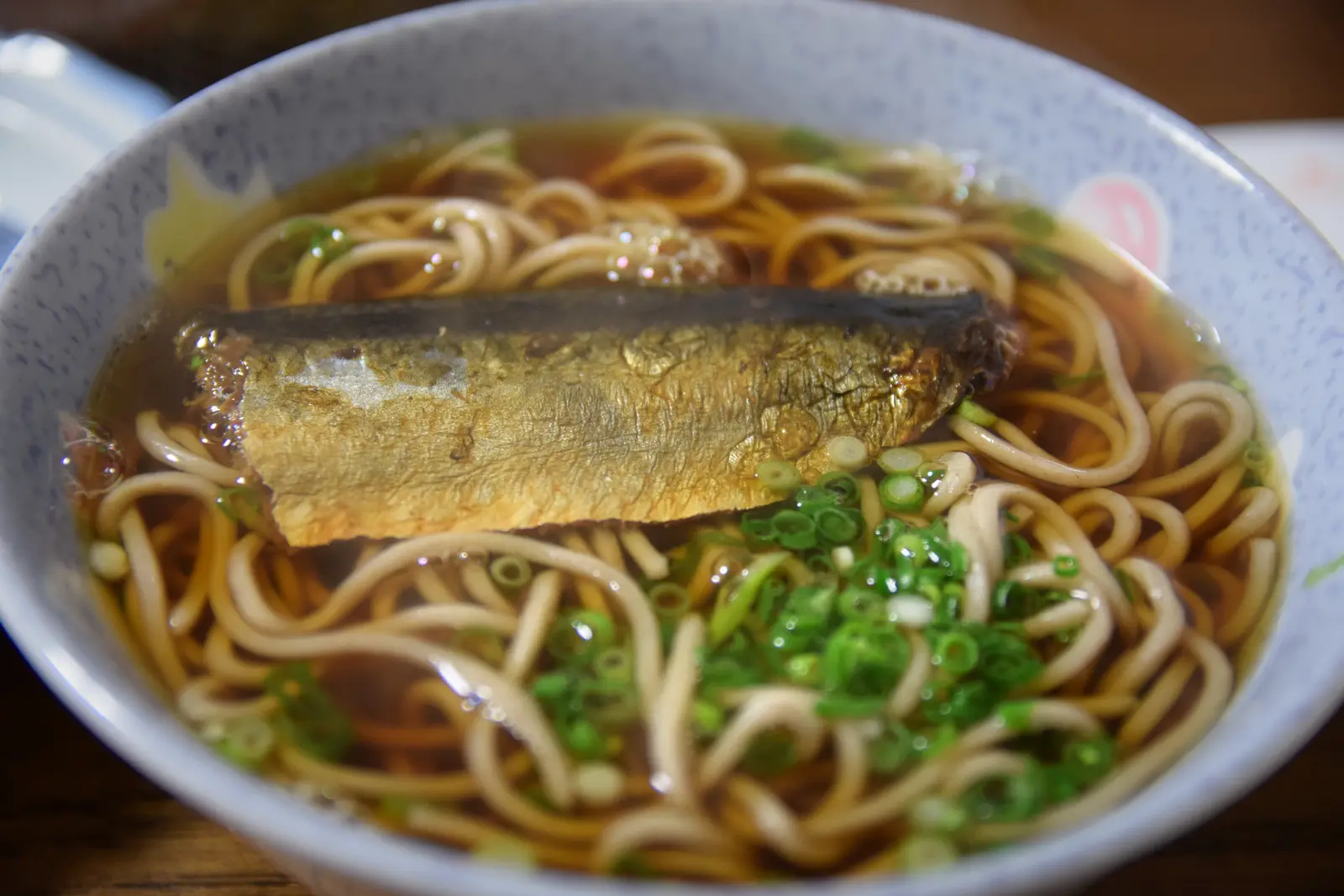
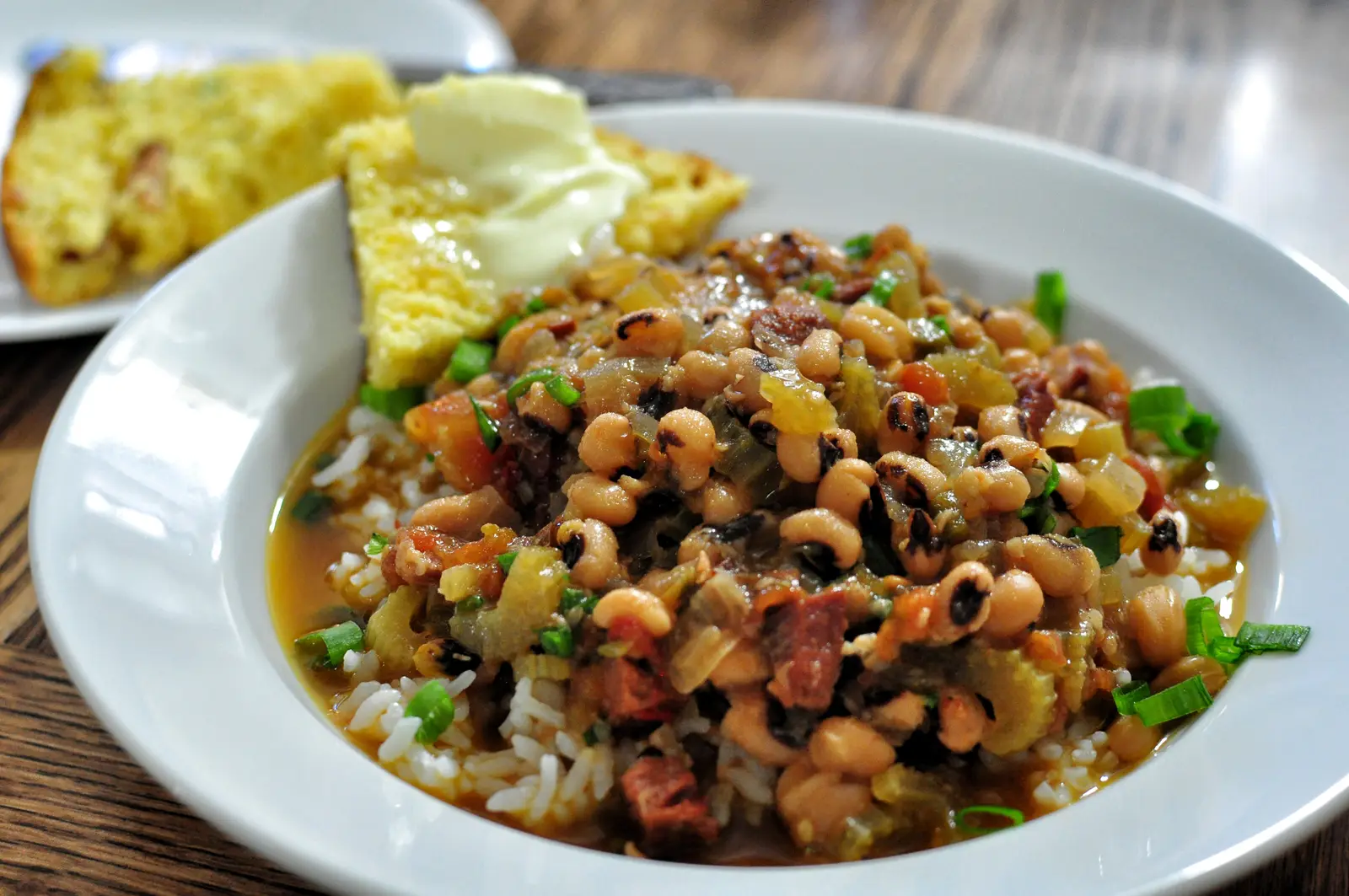
Traditional American food is not one cuisine. It is at least eight regional ones, and each was built by a different group of people arriving with different knowledge and finding different things to cook with. Texas barbecue came out of German and Czech butcher shops. The rice culture of the Carolina Lowcountry came from West Africa, and hoppin' john still carries that lineage on the plate. Hawaii's plate lunch was assembled on sugar plantations by Japanese, Filipino, Portuguese and Chinese laborers eating out of the same lunch tins. Burgers and hot dogs are genuinely American, but they are two items on a list that runs to hundreds, and they are not even the least foreign things on it.
What counts as traditional American food?
Start with the two dishes everyone names.
The hamburger is named after Hamburg. It descends from the Hamburg steak, a seasoned chopped-beef preparation that German immigrants brought to American cities in the nineteenth century. The hot dog is a frankfurter, named for Frankfurt, or a wiener, named for Vienna. The two foods Americans reach for to prove their country has no real cuisine are German sausage and German ground beef, sold by German immigrants, renamed in English, and absorbed so completely that four generations later nobody hears the cities in the words anymore.
That is the whole argument in miniature. American food is not a cuisine that lacks foreign influence. It is a cuisine made almost entirely of foreign influence, absorbed at a speed that hides the seams. When people say American food has no culture, what they usually mean is that the culture arrived recently enough that they can still see where it came from, and they have decided that disqualifies it.
The question is usually asked in bad faith, or at least in a bad frame. "Does America have a real cuisine" is measured against France and Japan, countries with a long centralizing project, a court or a capital that set a standard, and centuries of relative demographic stability to enforce it. By that yardstick almost nowhere passes. Mexico barely passes, and Mexico has one of the great cuisines on earth precisely because it is regional to the point of being unmanageable.
So the honest way to answer "what is traditional American food" is to stop looking for one answer. There isn't a national dish because there was never a single national kitchen. There were ports, farms, railroads, plantations and factories, each pulling in a different labor force, and the food in each place is a record of who showed up.
| Region | Who arrived | What they built |
|---|---|---|
| The Northeast | Italian, Jewish, Chinese, Puerto Rican, Dominican | The slice, the deli, the chopped cheese |
| The South | West African, English, Scots-Irish | Lowcountry rice, greens, whole-hog barbecue |
| Louisiana | French, Spanish, West African, Haitian, Choctaw | Gumbo, étouffée, boudin |
| Texas and the border | Mexican, German, Czech | Brisket, kolaches, breakfast tacos |
| New Mexico | Pueblo, Spanish | Green chile, posole, sopaipillas |
| The Midwest | German, Scandinavian, Polish, Lebanese | Bratwurst, hotdish, Dearborn shawarma |
| California | Chinese, Japanese, Mexican, Vietnamese | Truck-farm produce, the burrito, banh mi |
| The Pacific Northwest | Coast Salish and Chinook, Scandinavian, Vietnamese, East African | Salmon, oysters, Ballard cod, Seattle pho |
| Hawaii | Japanese, Filipino, Portuguese, Chinese, Korean | Plate lunch, malasadas, loco moco |
Nine regions, nine arrivals. None of them is a footnote to the others.
The Northeast: the food of the tenement and the bodega
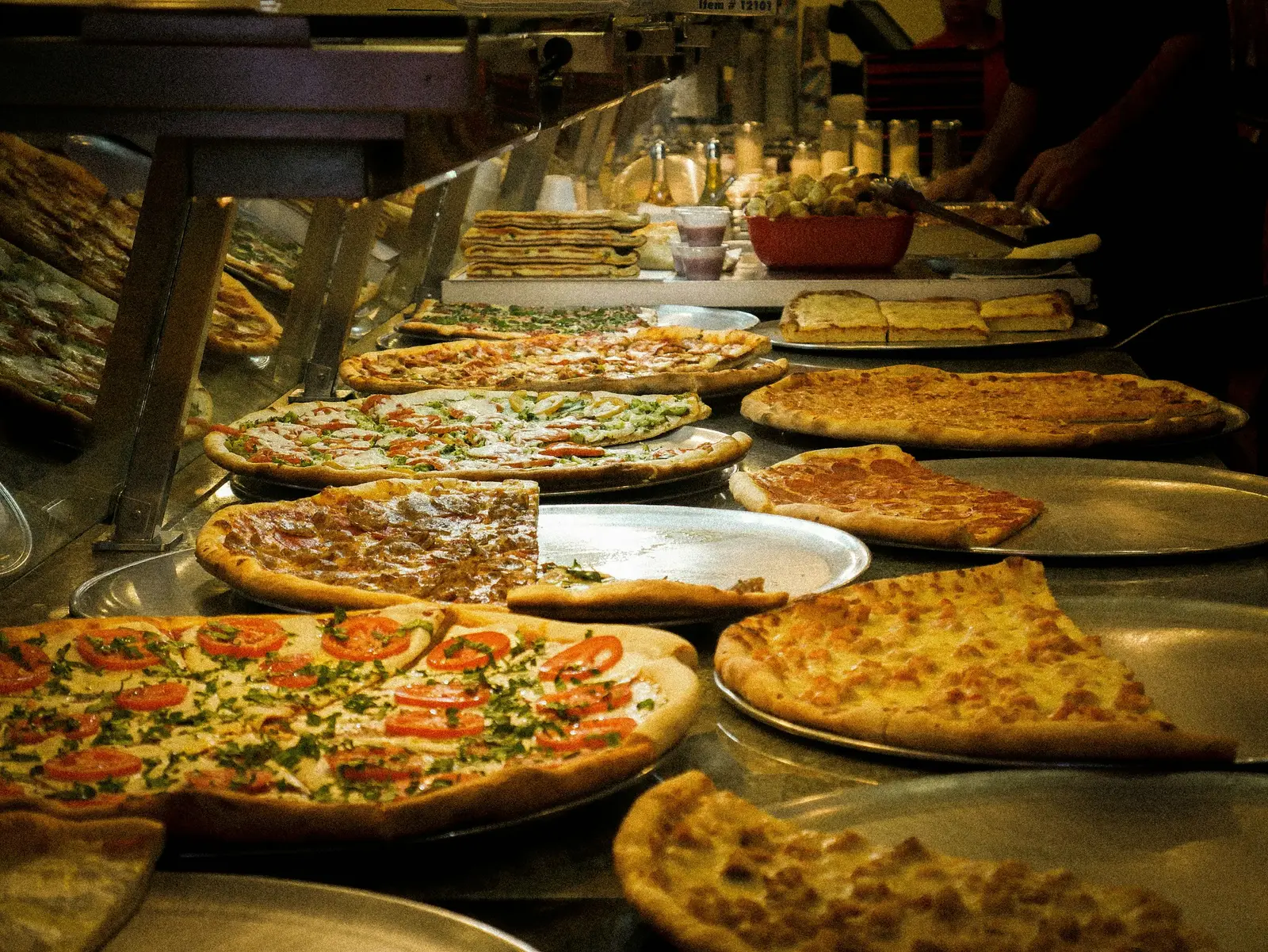
The Northeast is where the arrival story is least deniable, because most of it happened inside living memory and inside about four square miles of lower Manhattan.
New York pizza is Neapolitan pizza adapted to a coal oven, a cheaper cheese, and a customer who wanted to eat it standing up. Lombardi's on Spring Street is usually cited as the first licensed pizzeria in the country, opened in 1905. What made it American was not the recipe. It was the slice: the decision to sell a fraction of a pie to one person for pocket change, which turned a Neapolitan dish into street food for a city of people who had twenty minutes and no table.
Pastrami is Romanian. Jewish immigrants from Bessarabia and Romania brought a method for preserving goose breast, applied it to beef navel because beef was what New York had cheaply, and produced a cured, smoked, steamed sandwich meat that exists nowhere in the old country in that form. The deli is not an imported institution. It is what happened when an imported technique met American beef prices.
Then there is the chopped cheese, which is maybe the clearest case in the country of a dish with a birth certificate. It came out of Harlem bodegas, ground beef and onions chopped on the flat top with American cheese melted through it, served on a hero with lettuce and tomato. Its parentage is Yemeni and Puerto Rican and Dominican, because that is who has run and eaten at those bodegas for decades. It is fifty years old, maybe less. It is also completely traditional in the only sense that matters, which is that a specific community has made it the same way, in the same kind of store, for long enough that getting it wrong is noticeable.
Italian-American red sauce cooking is its own case, and Italians tend to find it funny. Chicken parmigiana, baked ziti, Sunday gravy simmered all day with meatballs and braciole, garlic bread: most of that is either an American invention or a southern Italian peasant dish rebuilt by people who, for the first time in their lives, could afford meat every week. The cuisine did not get worse in the crossing. It got richer, literally, because the economics changed. Insisting it is not "real Italian" is true and beside the point. It is real Italian-American, which is a different and equally old thing.
Chinese-American food followed the same arc. Chop suey was a Chinese-American restaurant dish built for American customers out of Cantonese technique. General Tso's chicken was created by a Hunanese chef in Taiwan and made famous in New York. Both get dismissed as inauthentic by people who have not thought about what authenticity would even mean for a cuisine cooked continuously in one country for a hundred and fifty years.
I grew up in Queens and cooked in New York kitchens for over a decade, and the thing I did not understand until I left is that this density is not normal. I have written before about what New York's food scene looks like once you are outside it, and the short version is that the city is not diverse the way a food hall is diverse. Each cuisine there has a resident population big enough to keep it honest.
The South: the rice was West African before it was Southern
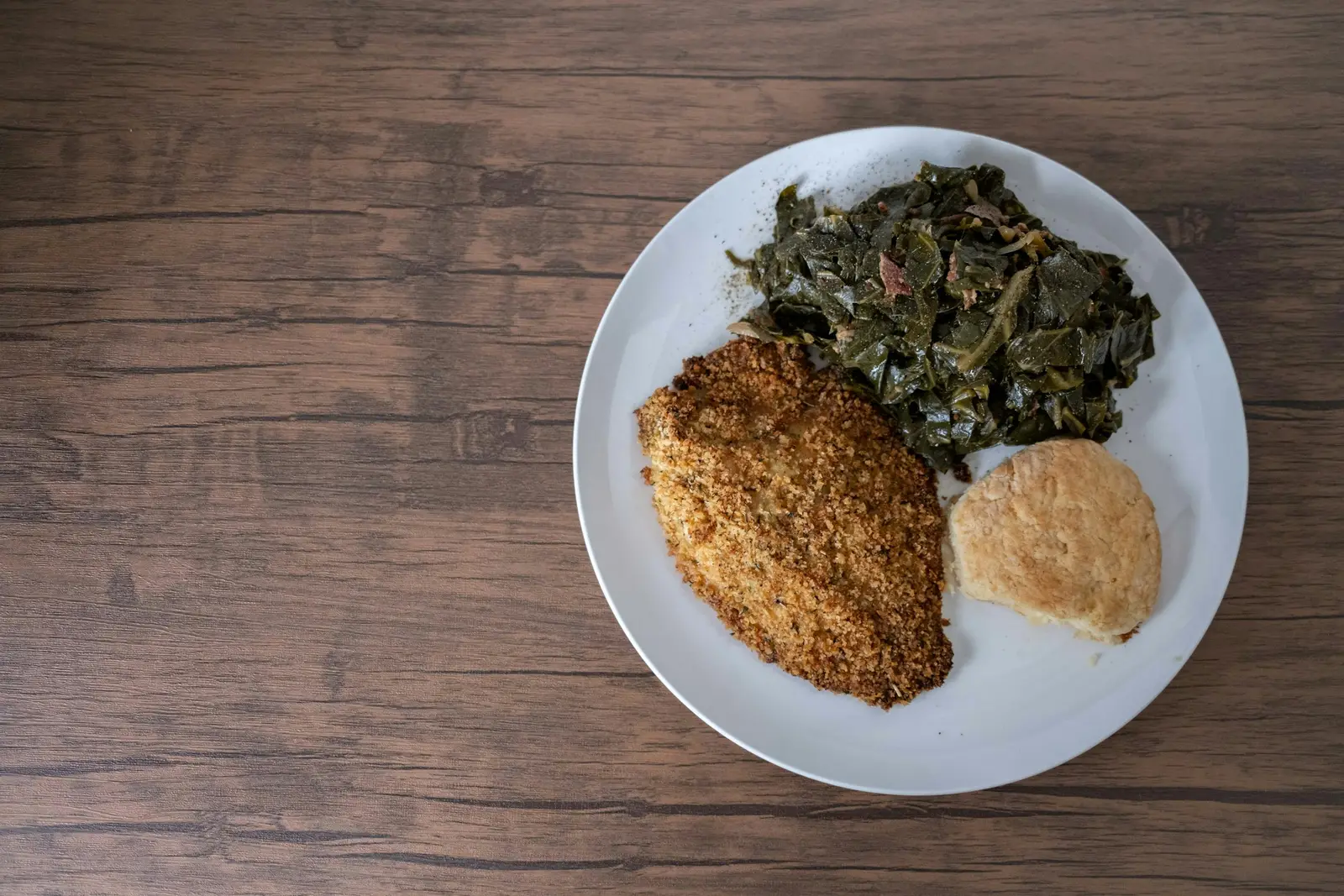
Southern food gets treated as the one American regional cuisine that is genuinely native, which gets the history exactly backwards.
The Carolina and Georgia Lowcountry built an enormous rice economy in the eighteenth century. Rice is not an English crop and it was not an English skill. The planters who got rich on it were buying, specifically and deliberately, enslaved people from the rice-growing regions of West Africa, because those people knew how to build the tidal field systems, manage the water, and process the grain. The National Park Service maintains the Gullah Geechee Cultural Heritage Corridor along that coast for exactly this reason: the culture that produced Carolina Gold rice, hoppin' John, red rice and okra soup is a West African culture that survived on American soil under conditions designed to erase it.
The same is true across the Southern table. Okra, black-eyed peas, sorghum, watermelon and sesame are African crops. The technique of slow-cooking tough greens with a piece of cured pork, and then drinking the liquid, is a West African approach applied to what the American South had. Cornbread is the Indigenous half of the same plate.
Whole-hog barbecue in the Carolinas is the other side of it. Cooking a whole animal over coals takes a full day and the night before it, and before emancipation that work was done by enslaved people, who were the ones who knew how to do it. The knowledge was the reason they were doing it, not the other way around. It did not stop in 1865 either. The pitmasters who carried the method through the twentieth century were overwhelmingly Black men, a lot of them running their own stands, and their names mostly did not make it onto the signs. The Southern Foodways Alliance at the University of Mississippi has spent years collecting those pitmasters' oral histories, which is most of the reason the names are recoverable at all.
Barbecue is worth slowing down on, because the country has at least four of them and the differences map onto settlement patterns almost exactly.
Eastern North Carolina cooks the whole hog and dresses it with vinegar and pepper, no tomato, which is the oldest surviving form. The Piedmont around Lexington moved to pork shoulder and added tomato to the vinegar. South Carolina runs a mustard sauce through the middle of the state, and the mustard belt sits directly on top of where German immigrants settled in the eighteenth century, because mustard is what Germans put on pork. Memphis does ribs, dry or wet. Kansas City, a rail and stockyard town that got meat from everywhere, sweetened the sauce with molasses and tomato and invented burnt ends out of brisket trimmings. Texas, as covered above, smokes beef because Germans and Czechs were butchers.
Four regions, four sauces, and in every case the sauce is a straight readout of who lived there and what they brought.
Appalachia is the other Southern cuisine that gets overlooked, and it is largely Scots-Irish. Soup beans and cornbread, cured and salt-boxed hams, chow-chow, apple stack cake, sorghum syrup, and corn whiskey are a highland British food culture that met corn and stayed poor long enough to keep its methods. It is preservation cooking from people who did not have a cash economy, and it is the direct ancestor of a lot of what now gets sold as rustic American cooking.
Then the food left. Roughly six million Black Americans moved out of the South between 1916 and 1970 in the Great Migration, and Southern cooking went north and west with them. That is why Chicago's South Side, Detroit, Harlem, Philadelphia and Oakland all have soul food traditions that are recognizably Southern and also distinctly their own. Chicago's rib tips and hot links exist because Mississippi Delta families moved to Chicago and kept cooking. The regional map of American food is not fixed. It moves when people move.
None of this is a revisionist reading. It is the standard scholarship. It just does not survive the trip into a listicle, because "30 Famous American Foods" has no room for who was standing at the pit.
Louisiana: the densest blend in the country
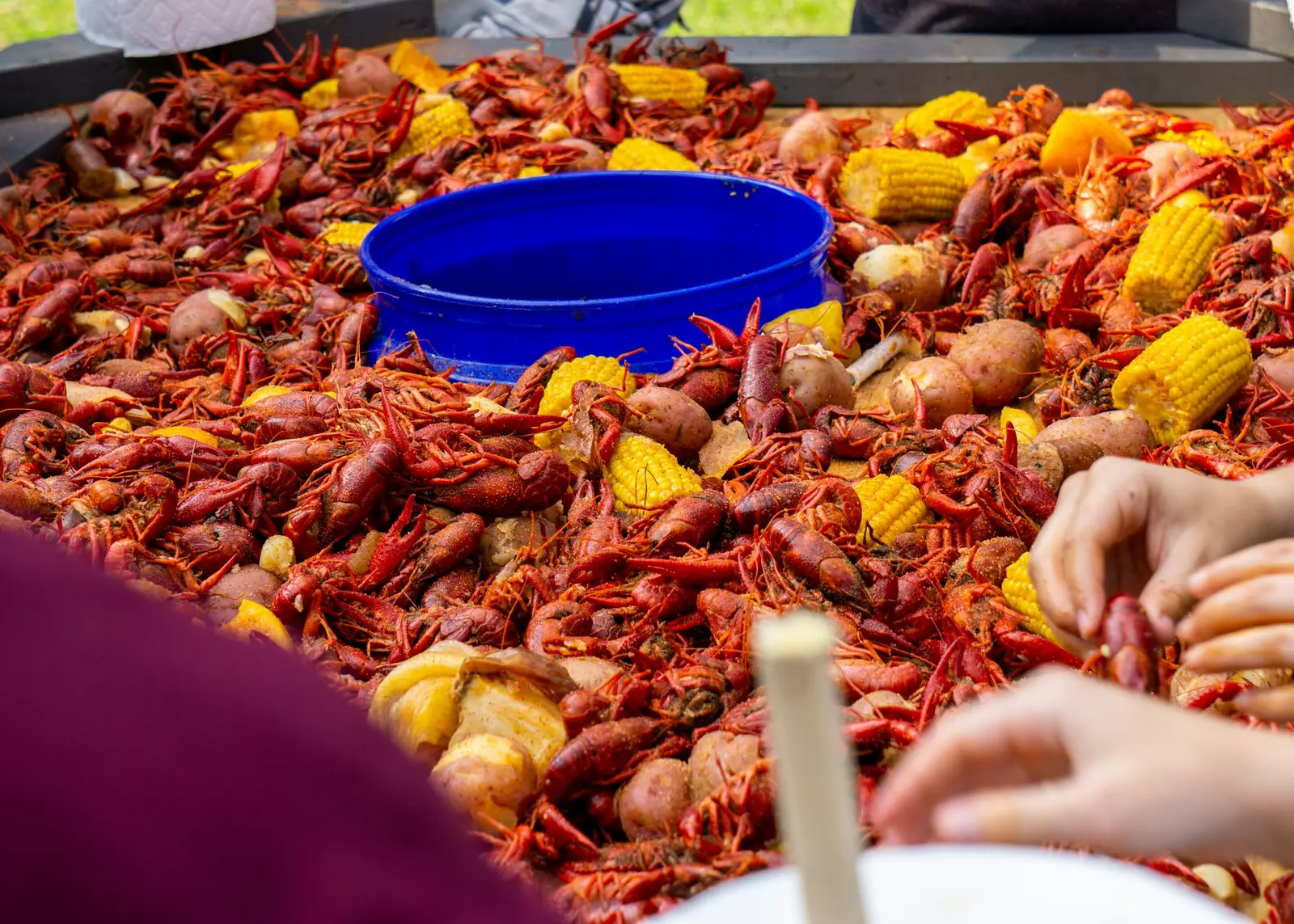
If you want one dish that proves the whole thesis, it is gumbo, because you can take it apart and hand each piece back to a different continent.
The roux is French. The okra is West African, and so is the word: gumbo comes from a Bantu term for okra. The filé powder, ground sassafras leaf, is Choctaw. The trinity of onion, celery and bell pepper is the French mirepoix rebuilt with the vegetable that grew well locally. The rice underneath is the same Atlantic rice economy the Carolinas ran on. The andouille is a French sausage remade with more smoke and more cayenne. Put it in one pot and it does not read as fusion. It reads as the single most specific thing anyone in that state eats.
The Creole and Cajun split is a geography and class distinction that people flatten constantly. Creole cooking is city cooking, New Orleans cooking, with more European technique, more butter, more tomato, more access to imported goods. Cajun cooking is country cooking from the bayou parishes, built by the Acadians, French colonists expelled from Nova Scotia by the British starting in 1755 who walked and sailed their way to south Louisiana over the following decades. The Jean Lafitte National Historical Park runs cultural centers across Acadiana that exist to document that displacement. Cajun food is refugee food that had two hundred and fifty years to become regional.
A crawfish boil is the clearest expression of it. Nobody plates a boil. It goes on newspaper in a pile with corn and potatoes and sausage, and thirty people stand around it and use their hands. That is not a restaurant format that got adapted for home use. It went the other direction.
Texas and the border: barbecue is a German trade
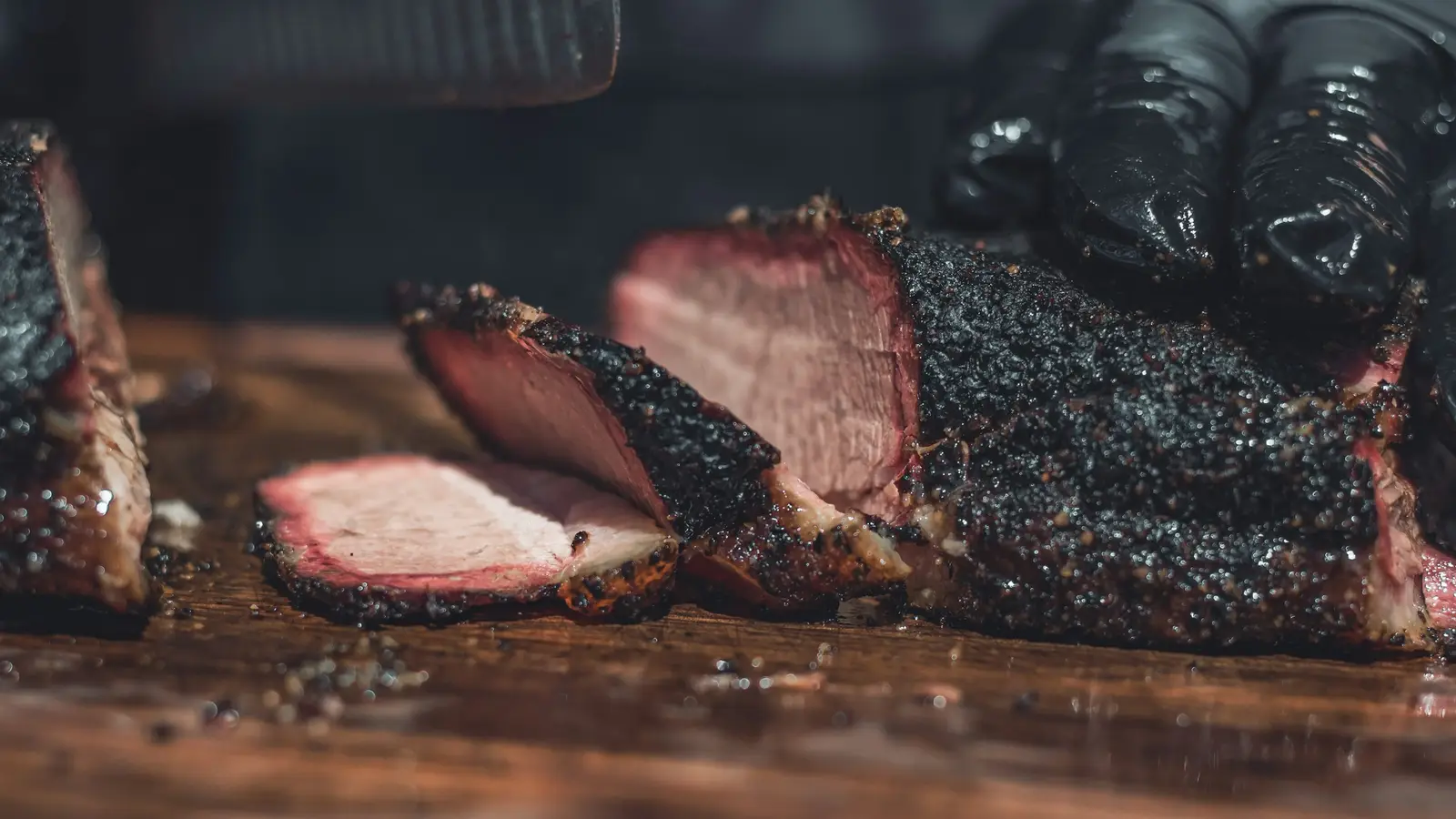
Here is the one that stops people.
Central Texas barbecue, the brisket-and-butcher-paper tradition that the rest of the country now imitates, did not come from plantations or from cowboys. It came from German and Czech immigrant butchers. Large numbers of Germans settled central Texas from the 1840s onward, and Czech families followed into the same counties. They opened meat markets. A meat market has a problem: unsold meat. The European solution to unsold meat is to smoke it, so they smoked it, and then sold it by the pound off butcher paper with white bread and pickles and raw onion on the side, because that is what a butcher shop has lying around, not because anyone designed a plate.
That is why Texas barbecue is sold by weight, why it comes on paper, why the sides are an afterthought, and why sausage sits next to the brisket. It is a butcher's tradition, not a cook's tradition. The smoker is a European charcuterie technique that met Texas cattle.
The Czechs also brought the kolache, which is now so thoroughly a Texas gas station item that most people who eat one on I-35 have no idea it is a Moravian pastry. West, Texas, sells them by the case to people who could not find Moravia on a map.
Then the border does the other half of the state's cooking. Breakfast tacos, carne asada, barbacoa, migas and puffy tacos are Tejano food, made by families who in many cases did not cross the border because the border crossed them. The border half of Texas cooking is older than the state line. Spanish and Mexican families were ranching and farming that country for generations before 1836, and the Treaty of Guadalupe Hidalgo in 1848 moved the border across a population that stayed exactly where it was. Barbacoa, cabeza cooked in a pit overnight and pulled for weekend breakfast, is a northern Mexican method that never stopped being practiced in south Texas. The breakfast taco is what happened when that kitchen met a working shift schedule: flour tortilla, egg, potato, chorizo or bacon, eaten in a truck at six in the morning. San Antonio and Austin have argued about ownership for years, which is itself a sign of how completely local it is. Nobody fights over a food nobody eats.
The best version of that cooking is still domestic rather than commercial, which is why carne asada done properly at home tastes so much better than most restaurant versions of it. It is not a restaurant dish that people make at home. It is a home dish that restaurants approximate.
New Mexico: the only state with an official question
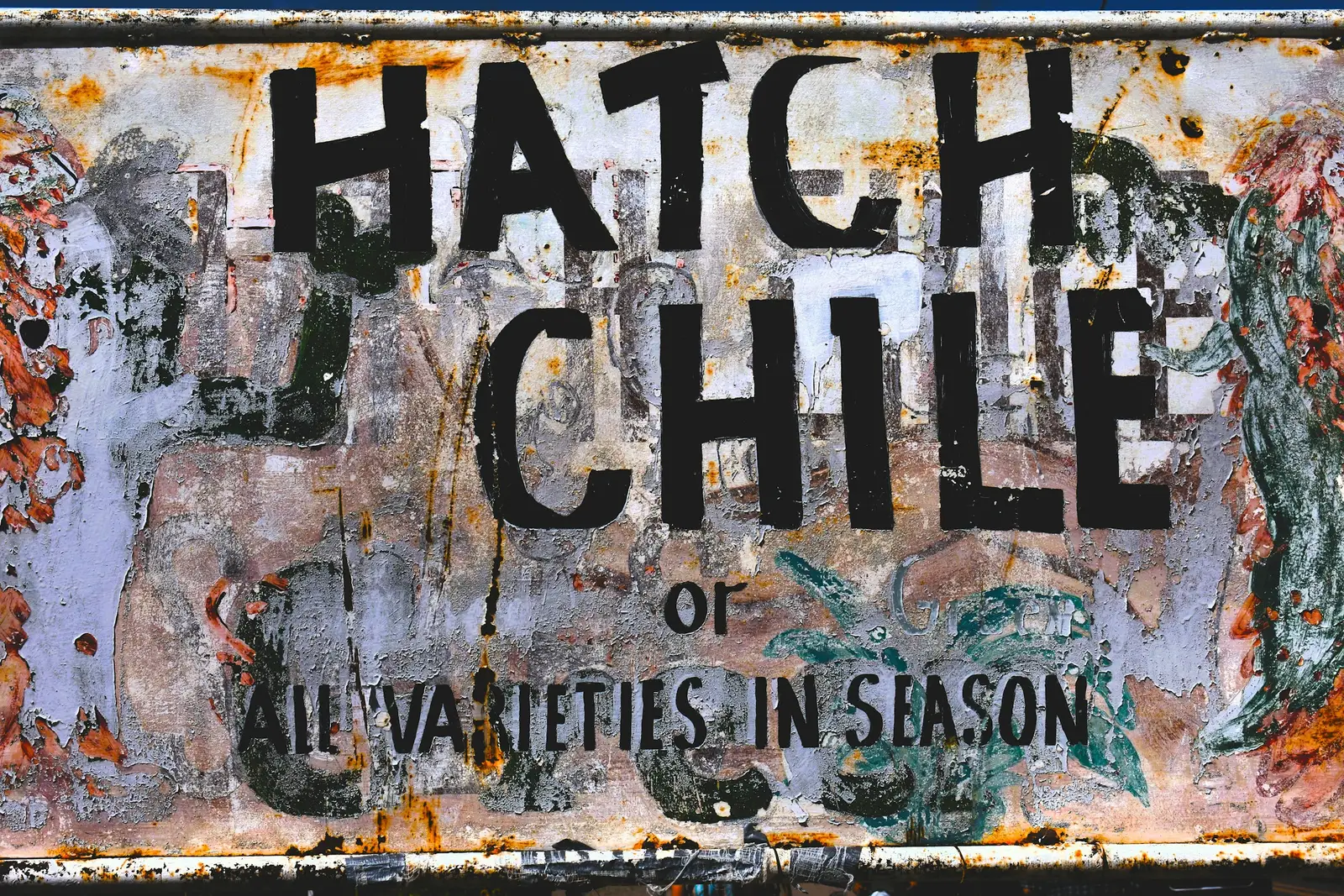
New Mexican food is not Mexican food and it is not Tex-Mex. It is its own cuisine, and it is probably the oldest continuously cooked European-Indigenous hybrid in the United States.
The Spanish arrived in the upper Rio Grande valley in the late 1500s, which is generations before the English got anything going on the East Coast. They found Pueblo communities already farming corn, beans and squash, and already growing and drying chile. What settled out over the next four centuries is a cooking tradition where the chile is not a condiment or a heat level. It is the sauce, the base, and the point.
Green chile is roasted, peeled and used as a stew and a sauce. Red chile is the same pod left to ripen and dry, then ground and cooked into a smoother, deeper sauce. Order almost anything in the state and you will be asked which one you want, and the state legislature made that official in 1996 by adopting a state question: red or green. There is a standard third answer, "Christmas," which gets you both.
The chile itself is a New Mexican agricultural project, not a wild inheritance. New Mexico State University has been breeding, standardizing and releasing chile cultivars for well over a century, which is why Hatch chile is a recognized agricultural product with named varieties rather than a vague regional label.
Posole, sopaipillas, carne adovada, blue corn atole. None of it appears on a national list of American foods, and all of it has been cooked in the same valley for longer than the country has existed.
The Midwest: bratwurst, hotdish, and an Arab American capital
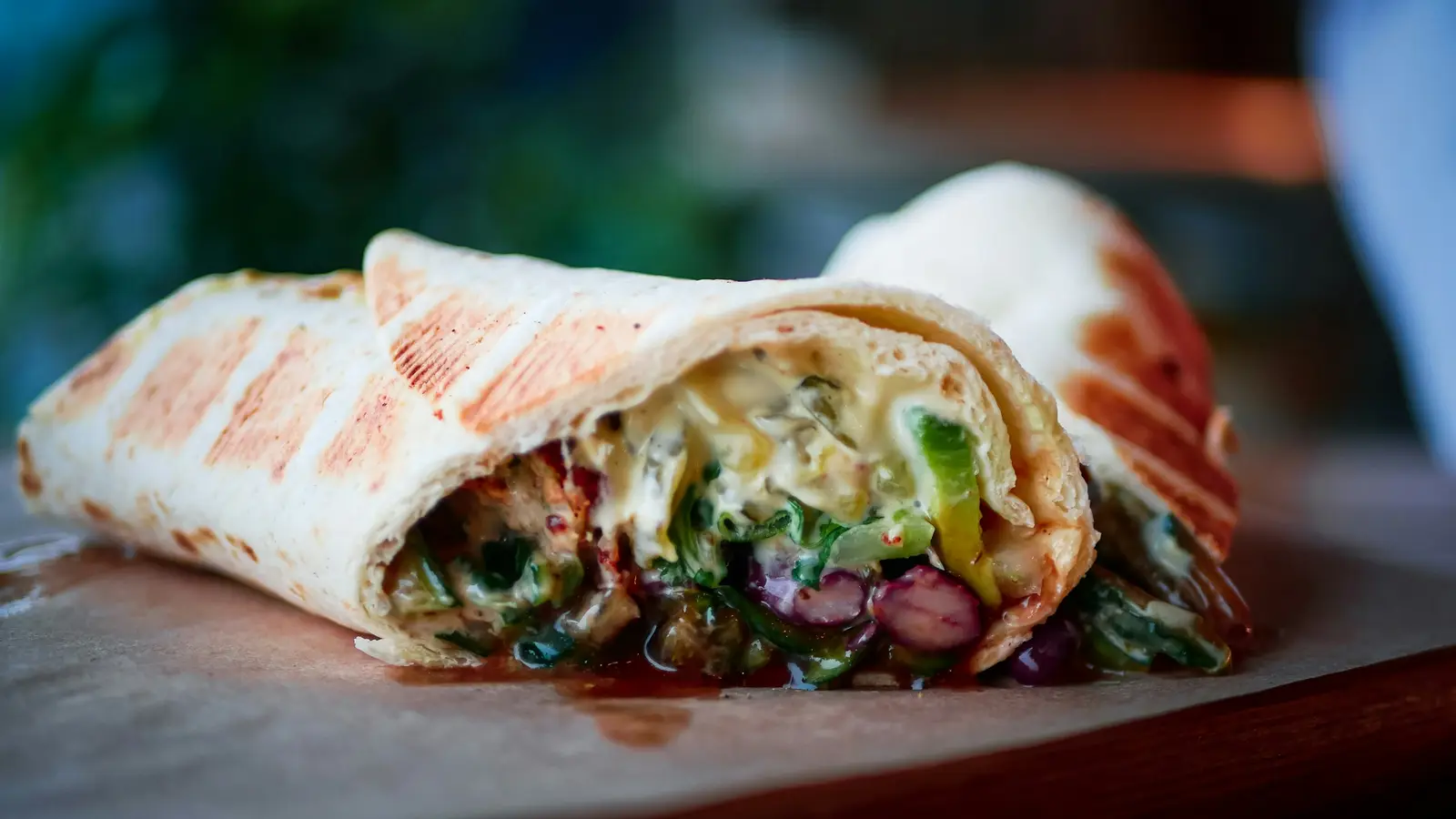
The Midwest is the region people are most confident has no food, which usually means they have only eaten there at a chain.
The German, Scandinavian and Polish settlement of the upper Midwest is written directly into what people eat. Wisconsin bratwurst, and the entire beer-and-sausage architecture around it, is German. Minnesota lutefisk and lefse are Norwegian. Chicago, Milwaukee and Detroit ran on Polish labor, and the pierogi, the kielbasa and the pączki on Fat Tuesday came with it. Hotdish, the casserole built on cream soup and whatever else is in the house, is the Lutheran church basement's contribution to American cooking, and it is a genuine regional form with rules.
But the part that breaks the stereotype is Dearborn, Michigan. Lebanese immigrants began arriving in the Detroit area in the late nineteenth century and came in large numbers for auto industry work, followed over the next century by Yemeni, Iraqi and Palestinian communities. Dearborn is now home to one of the largest and most established Arab American populations in the country, and the Arab American National Museum is there for that reason.
Which means shawarma, kibbeh, fattoush, manakish and hand-rolled grape leaves are Michigan food. Not Michigan food with an asterisk. A kid raised in Dearborn eats that at home the way a kid in Milwaukee eats brats, and both of those are traditional American food by any definition that isn't just measuring how long ago the boat landed.
Minneapolis is the newer version of the same story. Minnesota has the largest Somali community in the United States, concentrated around the Cedar-Riverside neighborhood, arriving mostly since the 1990s. Sambusas, suqaar, canjeero and Somali tea are Minnesota food now in exactly the sense that hotdish is, and the only difference between the two is about a hundred and twenty years. The Lutheran church basement and the Somali restaurant on Cedar Avenue are the same process photographed at different moments.
California: built by the people who farmed it
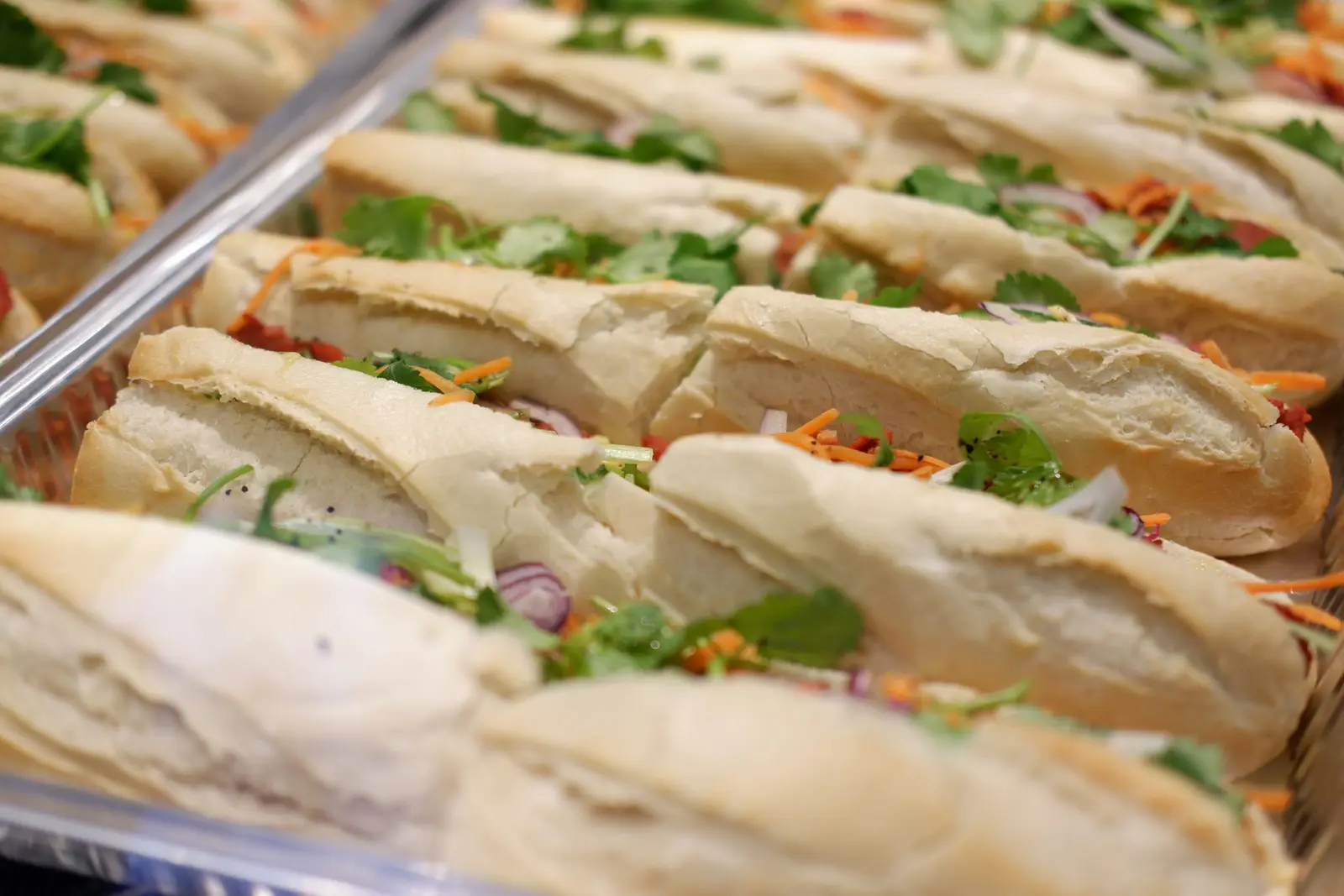
California gets described as a place with great produce, as though the produce grew itself.
Chinese laborers built the western half of the transcontinental railroad in the 1860s and, when that work ended, moved into agriculture, fishing and cooking across the state. Angel Island, the immigration station in San Francisco Bay that processed arrivals from Asia for three decades, is the West Coast counterpart to Ellis Island and is remembered very differently, because its purpose was substantially to keep people out under the Chinese Exclusion Act.
Japanese immigrant families then built a large share of California's truck farming, growing the vegetables and berries that the state's food identity now rests on, until the wartime incarceration removed them from that land and most never got it back. Mexican labor has done the actual harvesting of California produce for a century, and Mexican cooks staff a large share of the kitchens serving it, something worth understanding when you read about the hospitality that Mexican cooks bring into American restaurants.
After 1975, Vietnamese refugees settled in enormous numbers in Orange County and San Jose, and banh mi became a California sandwich. It is a French colonial baguette, filled by Vietnamese cooks, sold in American strip malls, and it is now as native to the state as anything else on offer. The Mission burrito, foil-wrapped and overloaded with rice, is a San Francisco format that Mexico did not invent and does not much eat.
The "California cuisine" of the 1970s that gets credit for American fine dining did not conjure that abundance. It plated what four generations of immigrant farmers had already put in the ground.
The Pacific Northwest: salmon first, everything else after
The Northwest is the one region where the Indigenous foodway is not a historical footnote underneath a settler cuisine. It is still the main event.
Salmon is the organizing fact of food in that corner of the country, and it was the organizing fact for the Coast Salish, Chinook, Nez Perce and dozens of other nations for thousands of years before anyone else showed up. Cedar-plank roasting, smoking and drying for winter, and the first-salmon ceremonies that governed the runs are all still practiced. Tribal fishing rights in Washington were affirmed in federal court in 1974 in the decision that reallocated half the harvest, which is not a food-history detail so much as the reason the foodway survived at all.
Onto that landed a Scandinavian fishing culture. Ballard in Seattle was a Norwegian town inside a city, and Astoria at the mouth of the Columbia was Finnish. Pickled herring, lutefisk, lefse, cardamom bread and an entire cod-and-potato repertoire came with those fleets, and the fishing industry they built is why the region eats the way it does.
The oysters tell the immigration story by themselves. The native Olympia oyster was fished nearly to nothing in the nineteenth century. The Pacific oyster that replaced it and now dominates every raw bar from Willapa Bay to British Columbia was brought over from Japan in the early 1900s. The most Pacific Northwest thing you can eat is a Japanese species farmed on a bed the Scandinavians worked, in water the Coast Salish managed first.
Chinese and Japanese laborers worked the canneries up and down the coast. After 1975 a large Vietnamese population settled in Seattle and Portland, and pho and banh mi became normal Northwest lunch. Seattle also has one of the more established Ethiopian and Eritrean communities in the country, which is why injera and doro wat are as easy to find there as chowder.
Dungeness crab is named after a town in Washington. Marionberries are named after a county in Oregon. This is a region that names food after itself, which is usually a sign that it knows exactly what it has.
Hawaii: the plate lunch is a labor contract you can eat
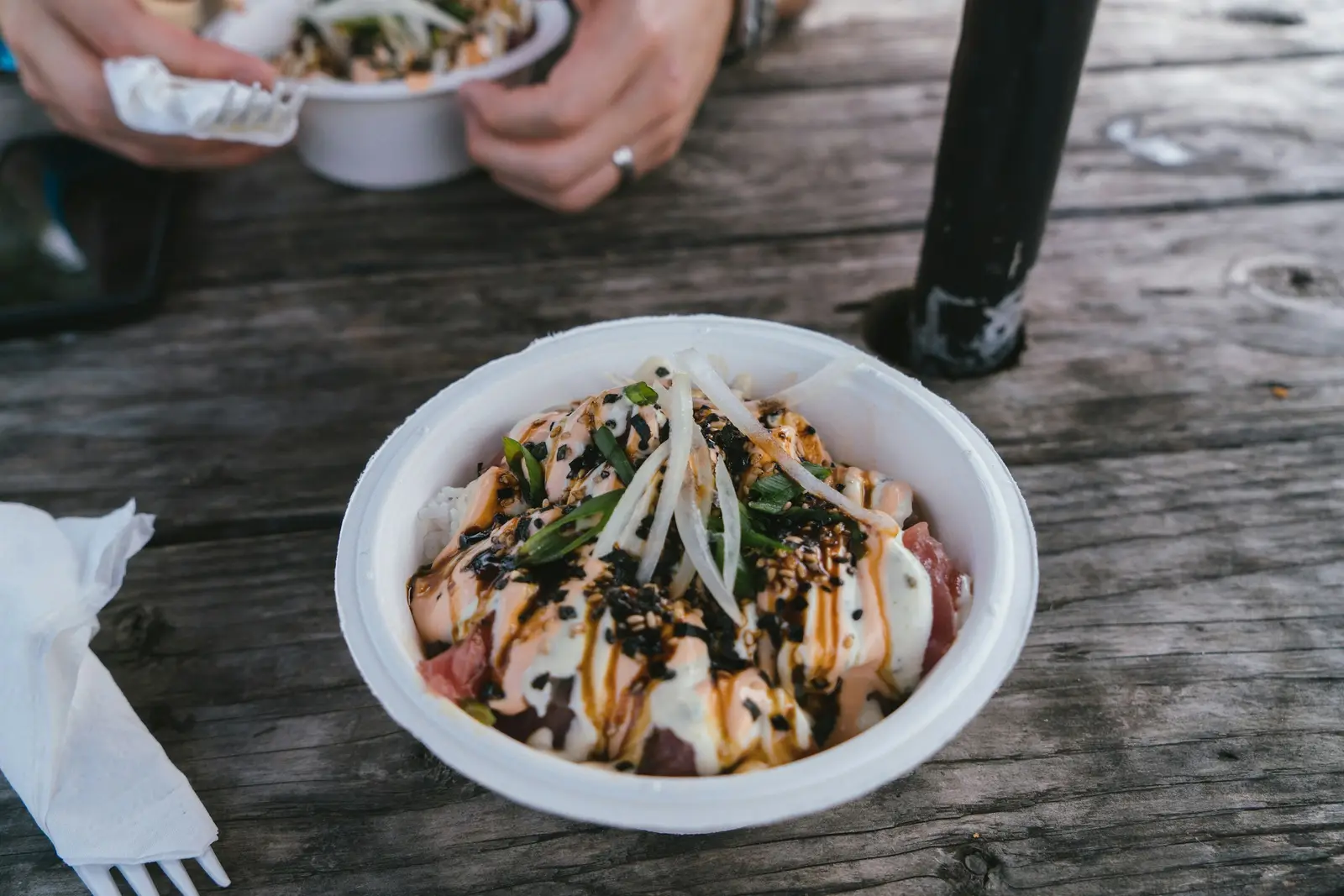
Hawaii is the cleanest proof in the country, because the mixing happened in a confined space over a documented period and you can still name the parts.
The sugar and pineapple plantations imported contract labor in waves: Chinese from the 1850s, Portuguese from Madeira and the Azores from the 1870s, Japanese from the 1880s, Koreans from 1903, Filipinos from 1906. Those workers ate lunch together in the fields out of tins. Food moved sideways between the groups constantly, because that is what happens when people eat next to each other every day for fifty years.
The plate lunch is the direct descendant of that: two scoops of rice, macaroni salad, and a protein. The rice is Asian, the macaroni salad is American, the protein might be Japanese katsu, Korean kalbi, Filipino adobo or Hawaiian kalua pork. Malasadas are Portuguese doughnuts. Saimin is a noodle soup that is Japanese and Chinese and Filipino at once and belongs to none of them. Spam entered through the military presence in the Second World War and stayed. Loco moco, rice with a burger patty, gravy and a fried egg, is credited to a Hilo lunch counter in 1949 feeding teenagers who wanted something cheap and filling.
Filipino food in particular runs deeper through the islands than most mainland Americans realize, and it is one of those cuisines that stays intact precisely because it is cooked at home rather than sold. I have written about what it is like to grow up eating at a Filipino family's table without being Filipino, and the same thing is true across Hawaii at a much larger scale.
Poke is the Native Hawaiian dish underneath all of it, and it predates every one of those arrivals. That matters. The plantation story is not a story about an empty island getting filled in.
The regions that are still forming
The list above is not closed, and treating it as closed is the mistake that produces the burgers-and-hot-dogs answer in the first place. Two or three American regional cuisines are being assembled right now, in public.
Miami is the most developed of them. Cuban exiles arriving from 1959 onward built a food culture that is now three generations deep: the Cuban sandwich pressed flat, ropa vieja, croquetas de jamón, pastelitos, and a cafecito ritual with its own etiquette about who buys and how it gets poured out into thimble cups for the table. Nicaraguan, Colombian, Venezuelan, Haitian and Puerto Rican communities layered on top of that. Little Haiti eats griot and pikliz. Venezuelan arepas and tequeños went from a Doral neighborhood item to a South Florida default inside about fifteen years. Miami is doing in decades what New Orleans did in centuries, and the result is already unmistakably its own thing.
Washington, D.C. has one of the largest Ethiopian populations of any city outside Ethiopia, concentrated for years around Ninth Street and now spread across the metro area. Injera, doro wat, kitfo and tibs are ordinary D.C. food, and the half-sour of Ethiopian coffee culture reshaped how a good part of that city drinks coffee.
Columbus, Ohio, absorbed a large Bhutanese and Nepali refugee population over the past two decades and now has momo shops and Himalayan groceries in strip malls that a decade earlier had neither. Buffalo has Burmese and Karen communities. Lewiston, Maine, has a Somali one. None of these are big enough yet to show up in a national conversation about American food, which is exactly what people said about Italians in Brooklyn in 1890.
The pattern does not change. A group arrives for work or for safety, cooks what it knows for people who know what it should taste like, substitutes the ingredients it cannot get, and waits. Two generations later the grandchildren are arguing about whose grandmother made it correctly, and by then it is American, and by then somebody is writing a listicle that leaves it out.
Why the world thinks American food is fast food
There is a fair objection to everything above, and it deserves a straight answer rather than a defensive one. Fast food is American. It is not a slander, it is not a misunderstanding, and it is not a small part of how the country actually eats. Any honest account has to hold that alongside the rest.
But it explains itself once you look at what fast food was built to do. A franchise system is engineered for reproducibility. The entire point is that the product is identical in Tulsa and Jakarta, which means it has to be independent of local labor skill, local ingredients and local knowledge. That is a genuine achievement of industrial design, and it is the exact opposite of how every regional cuisine in this article works.
Lowcountry rice depends on a specific grain and a specific inherited technique. Central Texas barbecue depends on a pitmaster who has spent years learning one smoker. A plate lunch depends on five cuisines sitting next to each other in one place. None of that standardizes, none of it franchises, and none of it travels. So it stayed home.
What travelled was the part designed to travel. There are American burger chains in over a hundred countries and there is no international chain of Gullah rice houses, no global franchise selling green chile stew. The world did not receive a representative sample of American food. It received the portion specifically engineered for export, and then reasonably concluded that the sample was the whole.
American media exported the same narrow slice. The diner, the drive-in, the burger and the milkshake are the visual shorthand for American eating in films made in America, so that is the picture that went out with everything else.
There is a second-order effect that matters more. Americans absorbed the export version back. A kid in a mid-sized American city with no local food tradition to anchor him grows up eating largely the same chains as a kid in Manila, and if you ask either of them what American food is, they will both say the same four things, and both will be describing a distribution system rather than a cuisine.
That is the actual damage. Not that outsiders think American food is fast food. That plenty of Americans do.
Why America's blend never set
I live in Colombia now, and the contrast is what made the American pattern visible to me.
Colombian food is also a blend. Spanish, Indigenous and West African, and the regions differ real amounts: the Caribbean coast cooks with more coconut, more fish, more of an African inheritance, while the Andean interior runs on potatoes, corn, soups and pork. That is a genuine internal variety and anyone who says Colombian food is monolithic has not eaten in both places.
But it is one idiom. A sancocho on the coast and a sancocho in the mountains are recognizably the same dish making different choices. Nobody eating an arepa experiences it as fusion. The blend happened, and then it finished, four centuries ago, and it set into something that reads as native because everyone alive learned it as native.
America never got to that point. The arrivals did not stop. There were Germans in the 1840s and Italians in the 1890s and Puerto Ricans in the 1950s and Vietnamese in the 1970s and Somalis in the 1990s, and there are people arriving this year who will put something on the American table that their grandchildren will consider traditional. The layers are still visible as layers because most of them are inside living memory.
That is why there is no single American way to cook and there is a single Colombian one. It is not that America lacks a food culture. It is that America has never held still long enough for its food culture to close.
A Colombian breakfast is a good test case here. There is a standard shape to what Colombians eat in the morning, and you can describe it in a paragraph. Try describing the standard American breakfast. You will get grits in one place, a breakfast taco in another, loco moco in a third, and a bagel with a schmear in a fourth, and all four people will think theirs is the normal one.
What I actually think about it
The people who say America has no food culture are almost always describing the middle of the country from an airport, or describing the parts of American food designed for export.
What I notice from outside it, which I never noticed from inside it, is how fast the absorption works. A dish arrives, it gets cooked for a community that knows what it should taste like, it picks up a local ingredient because that is what is cheap, and within two generations somebody's grandkid is defending it as the way it has always been done. That is not a country without a cuisine. That is a country running the process that made every other cuisine on earth, except still out loud, and still in public, and recently enough that you can watch it happen.
FAQ
What is considered traditional American food?
Any dish that a specific American community has cooked the same way for long enough that getting it wrong is noticeable. That includes burgers and hot dogs, and it equally includes Lowcountry rice, Texas brisket, New Mexican green chile, Hawaiian plate lunch, Dearborn shawarma, Cajun gumbo and the Harlem chopped cheese. There is no single national dish because there was never a single national kitchen.
What is the most American food?
Barbecue has the strongest claim, but not for the reason people assume. It is the one tradition where Indigenous pit cooking, West African labor and technique, European butchery and Mexican barbacoa all fed into the same result, and it developed differently in at least four regions of the country. If American food is defined by many sources becoming one thing, barbecue is the most complete example of the process.
Is American food just fast food?
No, though fast food is genuinely American and there is no honest reason to pretend otherwise. The confusion comes from what exports well. Fast food is a franchise system built to travel, so it is what most of the world has actually eaten. Regional American cooking is largely made at home or in single-location restaurants, so it barely leaves its own state.
What foods were actually invented in America?
The chopped cheese, the Mission burrito, loco moco, the California roll, cioppino, Buffalo wings, the Reuben, chop suey, Texas brisket in its butcher-paper form, and the plate lunch. Most were invented by immigrants or their children, using an old technique on whatever was cheap and local, which is the standard mechanism for almost everything on this list.
Why is American food so different from region to region?
Because the regions were settled by different people doing different work. Central Texas got German butchers, the Carolina Lowcountry got West African rice farmers, Hawaii got plantation contract labor from five countries, Dearborn got Lebanese auto workers. The food followed the labor, and the labor was not the same anywhere.