To cook carne asada the authentic way, you marinate thin beef (skirt or flank steak) in a bright, citrus-forward marinade, then grill it hard and fast over a screaming-hot fire until it's deeply charred but still pink inside, and slice it thin against the grain. That's the whole spine of it. Everything else, the charred salsa, the warm handmade tortillas, the grilled onions and street corn, is what turns a piece of grilled beef into the meal people remember. Carne asada isn't a fancy dish. It's a simple one done with fire, acid, and char, and it's one of the most rewarding things you can put on a grill.
Where I came to it
I'm not going to pretend carne asada is my heritage, because it isn't. I came to it the way a lot of cooks do, in the kitchens.
Here's something most people don't know about New York restaurants: August is dead. Everyone assumes summer is the busy season, and most of it is, but there's a stretch in August when the city clears out, the regulars are gone, and the dining room goes quiet for a few weeks. During those slow stretches, the cooks would throw barbecues. And working alongside so many cooks who grew up cooking this food, carne asada was one of the go-to's, every time. Somebody's marinade, a hot grill, a stack of handmade tortillas, and a few hours that felt nothing like the grind of service. That's where I learned what this dish is actually supposed to taste like, and it's the version I'm giving you here. Carne asada is south Texas and border food as much as it is Mexican food, which makes it part of a much bigger argument about what actually counts as traditional American cooking.
Start with the right cut
Carne asada is built on thin, fast-cooking beef, and the two cuts that matter are skirt steak and flank steak. Both are long, flat, loose-grained cuts that take a marinade deep and grab char fast, which is exactly what you want when the whole cook is over in a few minutes. Skirt is the more traditional and more flavorful of the two, with a looser grain and more fat running through it. Flank is leaner and a little tidier to slice. Either one works, and if you want the full rundown on how they differ, skirt and flank sit close together on the cow and eat differently.
Whichever you buy, the rules are the same: keep it thin, cook it hot, and slice it against the grain at the end. A thick steak is the wrong tool here. You want something that chars on the outside in the same few minutes it takes the inside to come up to temperature.
The marinade is the heart of it
If there's one thing that makes carne asada taste like carne asada, it's the marinade, and the soul of it is citrus. Lime first, then a little orange for sweetness and roundness, plus garlic, cilantro, a hit of cumin, and some chili if you want heat. The acid seasons the meat, tenderizes the surface, and sets up the bright, tangy backbone that cuts through all that char and fat.
Marinate the steak for a few hours, somewhere between two and eight. You can go overnight, but not much further, because acid is a tool with a timer. Leave a thin steak swimming in lime juice for a full day and the surface turns pale and mushy, the proteins broken down past the point of no return. A few hours is plenty for a thin cut. When it's time to cook, pull the steak out, pat it dry so it can actually sear, and hit it with salt right before it goes on. Salt is its own kind of seasoning with its own timing, and it's worth understanding how salt actually works on a steak so the marinade and the salt do their separate jobs.
Cook it hot, over fire
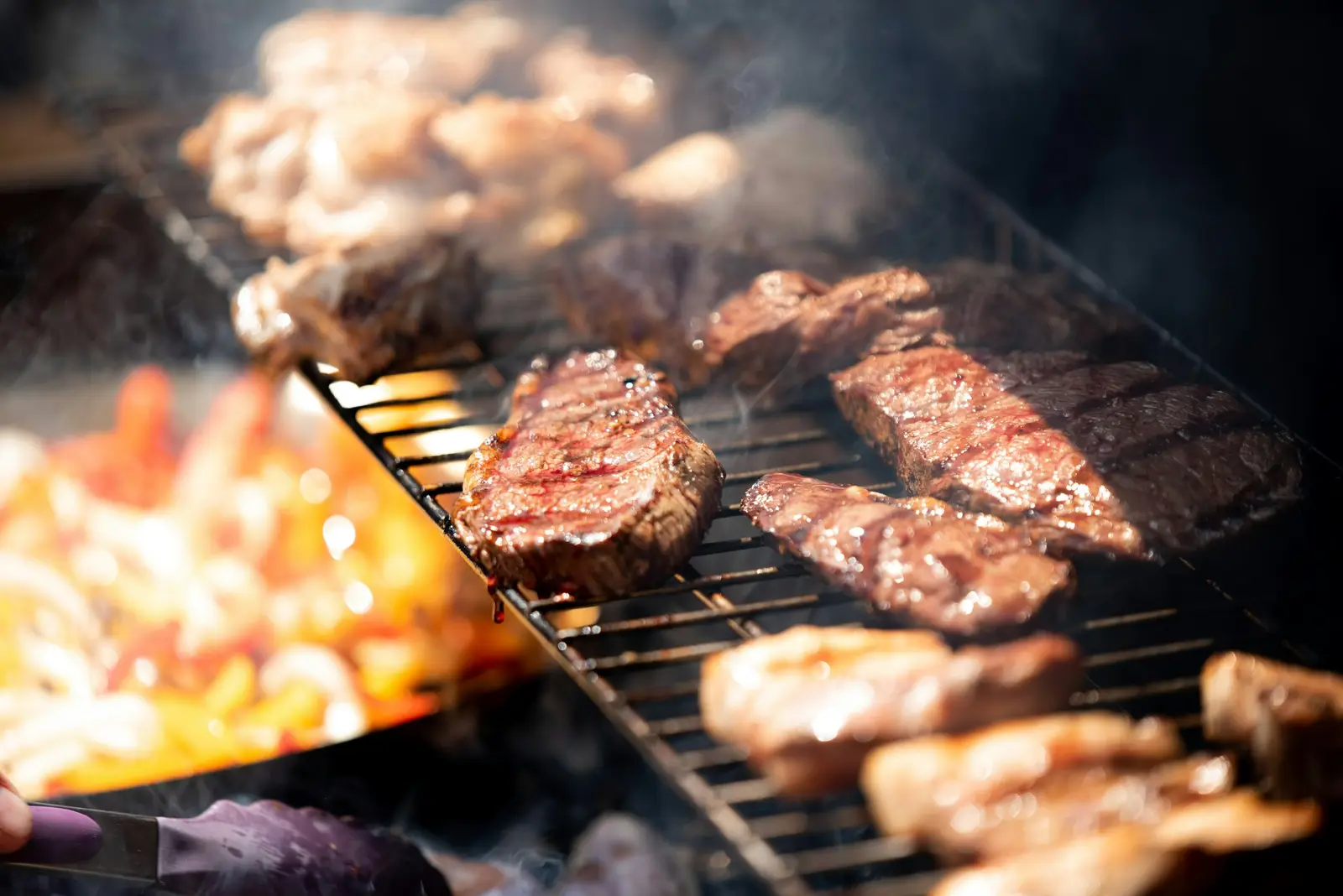
Carne asada means "grilled meat," and it's meant to be cooked over a live fire. Get the grill as hot as you can. You want screaming, ripping heat, because the entire game is building a hard char on the outside before the thin steak overcooks in the middle. This is the same principle behind every great steak, the hottest possible surface you can build, just applied to a thinner, marinated cut that cooks in a flash.
Lay the steak down and leave it. Two to four minutes a side, depending on thickness, until it's blistered and deeply browned, then pull it at about 130°F for a juicy medium-rare. Rest it five to ten minutes so the juices settle, then slice it thin and against the grain, which on a loose-grained cut like skirt is the difference between tender and chewy.
No grill, no problem, by the way. If it's the dead of winter or you're in an apartment, the same high-heat, hard-char logic works indoors in a screaming-hot cast iron pan, the same move behind a steakhouse-style steak cooked in the oven. It's not quite a live fire, but it's a lot closer than most people think.
The charred salsa that ties it together
A great carne asada lives and dies by its salsa, and the move that makes a salsa taste like the ones at the barbecue is char. You don't just blend raw vegetables. You burn them first.
For a charred salsa verde, throw whole tomatillos (the small green ones in the papery husk, not green tomatoes), a few cloves of garlic, a couple of chilies, and half an onion straight onto the hot grill or a dry comal. Let them blacken and blister in spots, then blend them with a handful of cilantro, a squeeze of lime, and salt. The char gives it a deep, smoky backbone under the bright tomatillo tang, and it's the perfect foil for the rich, fatty beef.
Want a red one instead? A charred salsa roja is the same exact method with ripe tomatoes in place of the tomatillos. Blacken the tomatoes, garlic, chili, and onion, then blend. Verde is brighter and tarter, roja is rounder and sweeter, and honestly you should make both and let people choose. Two bowls on the table, one green, one red, is the whole spirit of the thing.
Build the spread
Carne asada is never just the meat. It's an assembly, and the supporting cast is half the joy.
- Warm tortillas. Corn, ideally, and warmed on the grill or comal until they're soft, pliable, and a little toasty. Handmade if you can get them. This is the plate the whole meal is built on.
- Elote. Grilled street corn, charred on the grill and rolled in a little crema, cotija cheese, chili, and lime. It's the side that always showed up at those barbecues, and it belongs next to the beef.
- Grilled cebollitas and peppers. Whole spring onions and chilies thrown right on the grill until they're soft and blackened. They cook while the fire's already going and ask nothing of you.
- The fresh stuff. Chopped white onion, cilantro, lime wedges, and maybe some sliced avocado or a simple guacamole. Bright, raw, and sharp against all that smoke.
Lay it all out and let people build their own tacos. That's how it's meant to be eaten, with your hands, standing around, going back for more.
Wash it down with horchata
And to drink, horchata. That cold, sweet, cinnamon-spiced rice drink is the classic partner for carne asada for a reason: it's cooling, a little creamy, and it calms the heat from the salsa and the char. A pitcher of horchata next to a platter of carne asada and a stack of warm tortillas is about as good as a backyard gets.
FAQ
What cut of meat is carne asada?
Carne asada is traditionally made with skirt steak or flank steak — thin, loose-grained cuts that soak up a marinade and char quickly over high heat. Skirt is more traditional and richer; flank is leaner and slightly easier to slice.
How long should you marinate carne asada?
Between 2 and 8 hours is the sweet spot. You can go overnight, but don't push much past that. The citrus acid tenderizes the surface, but left too long it breaks the thin meat down and turns the texture mushy.
What is in a carne asada marinade?
A traditional carne asada marinade is citrus-forward: lime juice and a little orange, plus garlic, cilantro, cumin, salt, oil, and often chili. The acid seasons and tenderizes the beef and gives carne asada its bright, tangy flavor.
What temperature should carne asada be cooked to?
Grill it hot and pull it at about 130°F for medium-rare, then rest it. Because the cut is thin, it cooks in just a few minutes a side, so go by feel and char rather than the clock, and don't walk away from it.
Why do you slice carne asada against the grain?
Skirt and flank have a long, pronounced grain. Slicing thinly across (against) that grain shortens the muscle fibers, which is the difference between tender, easy-to-chew beef and a tough, stringy bite. Always slice it against the grain.
What do you serve with carne asada?
Warm corn tortillas, a charred salsa (verde or roja), elote (Mexican street corn), grilled cebollitas and peppers, and the fresh stuff: chopped onion, cilantro, lime, and avocado. Horchata to drink.