The most popular Colombian desserts are built less on chocolate and butter than on milk, panela, and fruit. Arequipe, the country's dulce de leche, is the backbone of half of them. Around it sits a whole world of sweets: obleas off a street cart, natilla at Christmas, brevas filled with caramel, cocadas on the coast, guava bocadillo eaten with a slab of cheese. This is a local's tour of twelve that Colombians actually grow up eating, what each one is, and where it comes from.
I grew up with these. My mom is from the coast, from Barranquilla, and the sweet half of a Colombian childhood is not the part that makes the tourist lists. The savory side gets written about, from a Colombian breakfast onward; the sweets rarely do. It is arequipe by the spoonful and an oblea on the way home. Here are the ones worth knowing.
Start with arequipe, because everything does
You cannot talk about Colombian sweets without starting at arequipe. It is the base, the glue, and the flavor a lot of the other desserts on this list are quietly built on.
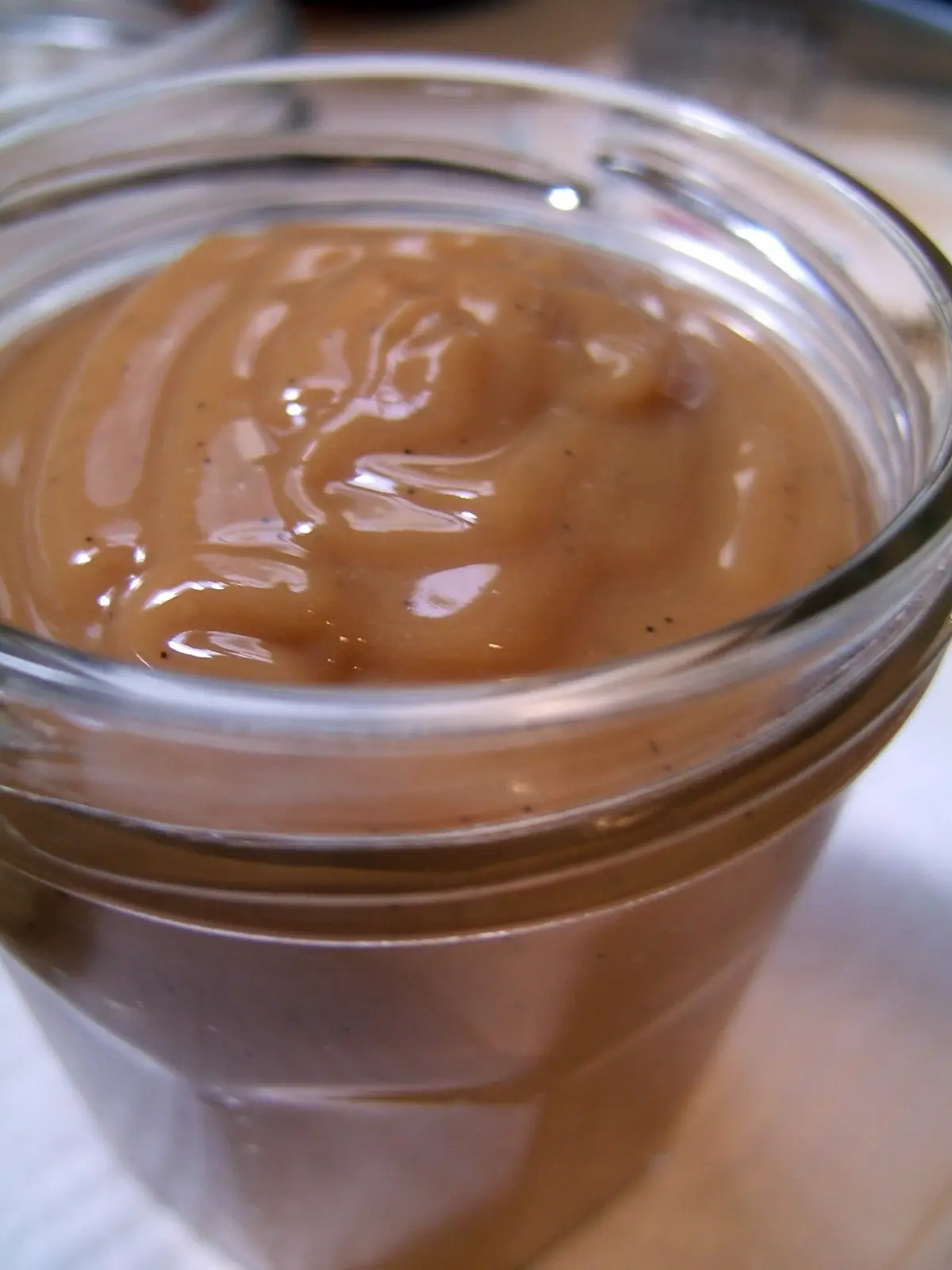
1. Arequipe
Arequipe is Colombia's dulce de leche: milk and sugar cooked down slowly until it turns into a thick, glossy caramel spread. Colombians put it on everything. On wafers, on bread, on fruit, folded into other desserts, or eaten straight off the spoon. If you only taste one thing on this list, taste this, because it is the foundation for the next three.
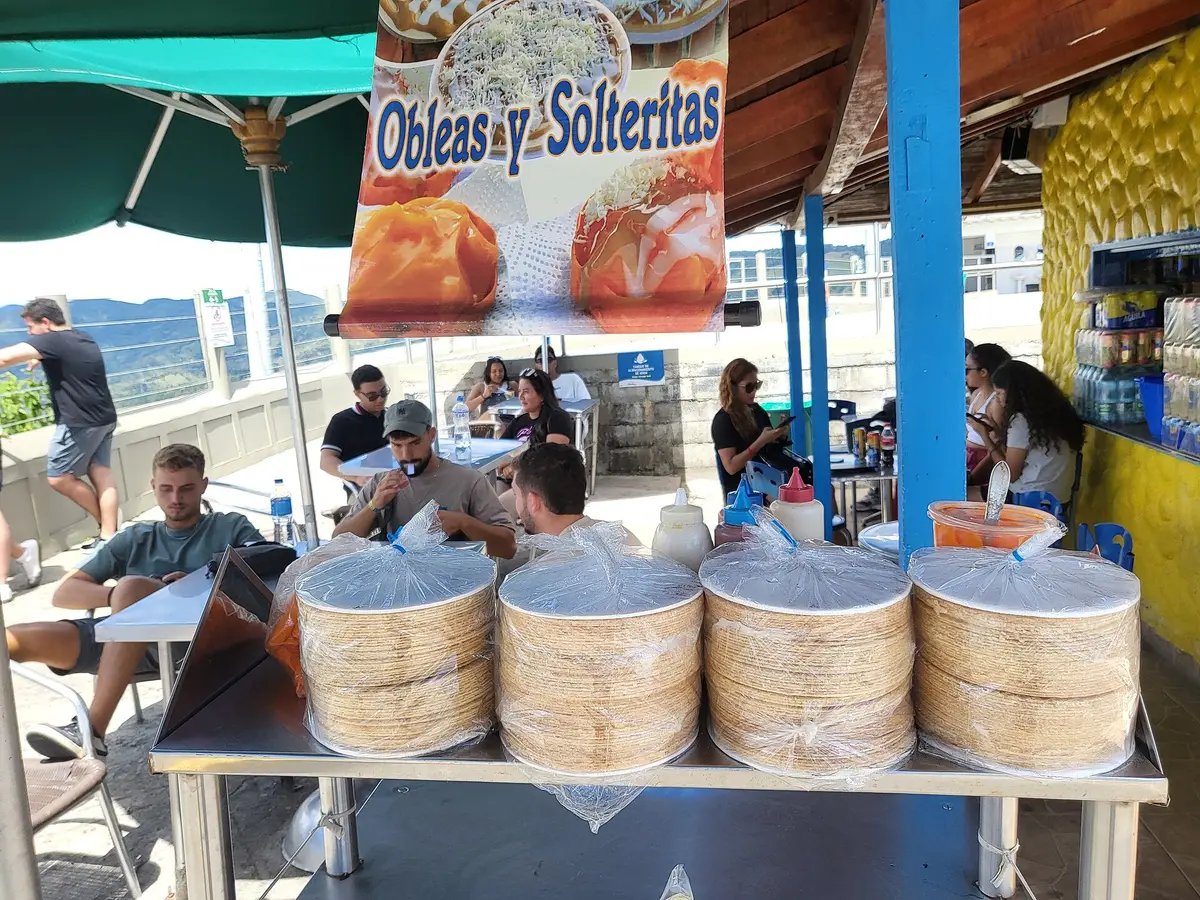
2. Obleas
Obleas are two large, thin, round wafers sandwiching a generous smear of arequipe. From a street cart you can get them loaded up: arequipe plus cheese, mora jam, grated coconut, or condensed milk. They are messy, cheap, and one of the most beloved street sweets in the country.
3. Brevas con arequipe
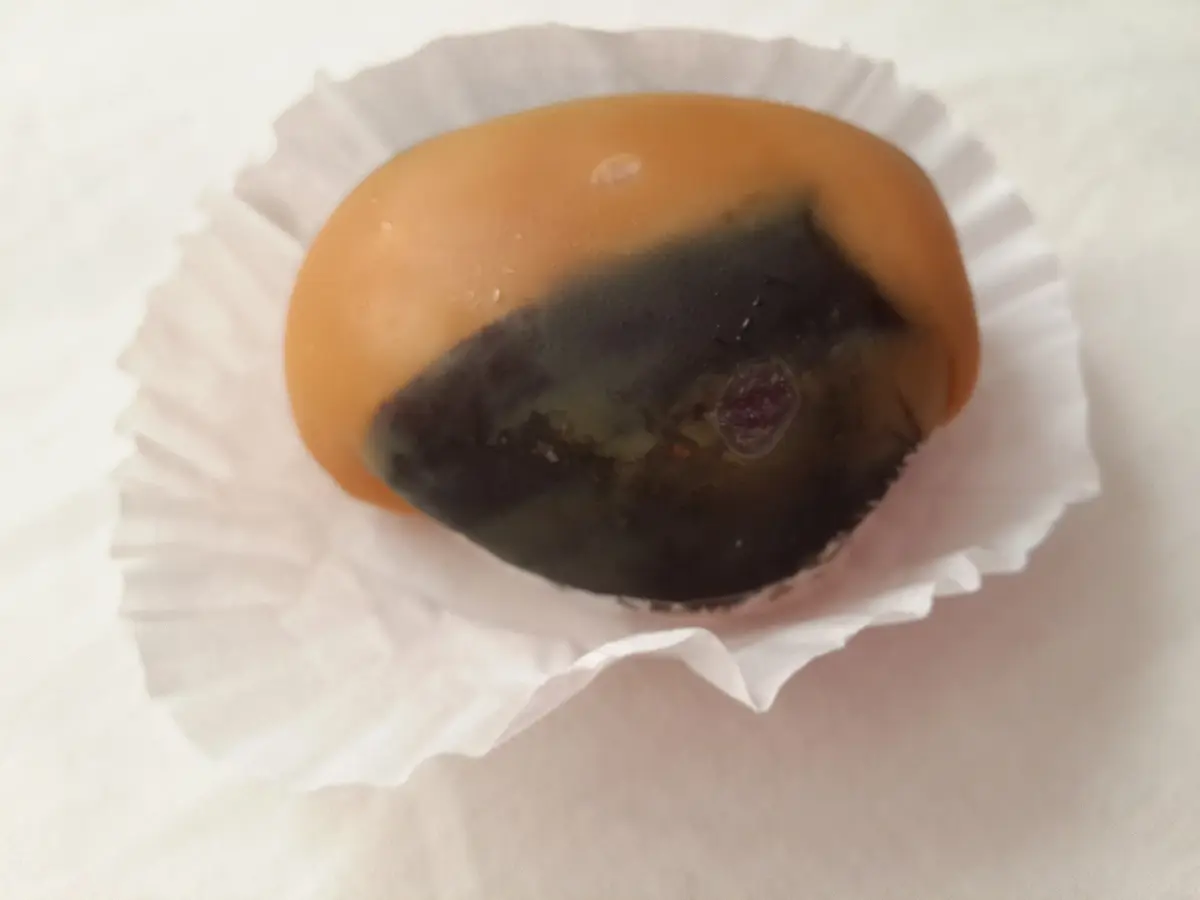
Brevas are figs, cooked soft and sweet in panela syrup, then split open and filled with arequipe. The fig goes almost jammy, and the caramel inside makes it rich. It is the kind of dessert that shows up at a tía's house in a glass dish, and it is better than it has any right to be.
4. Manjar blanco
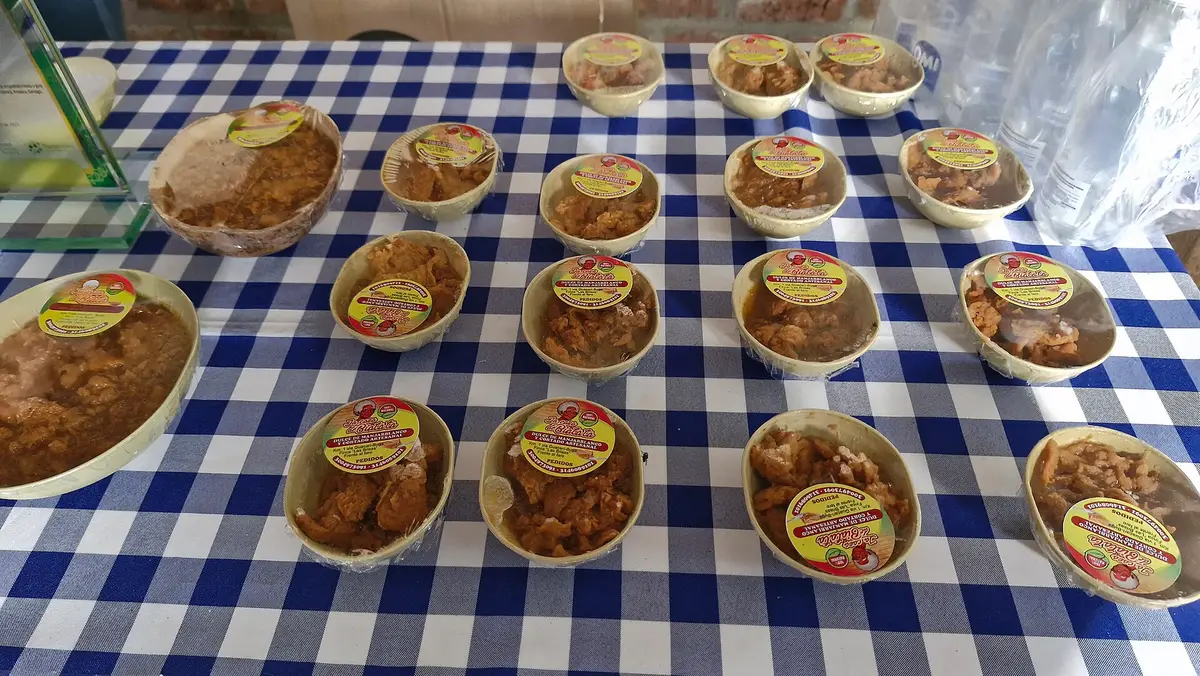
Manjar blanco is the thicker, paler cousin of arequipe, most associated with the Valle del Cauca. It is denser and a little less sweet, traditionally cooked low and slow and sold by weight. Where arequipe spreads, manjar blanco holds its shape on a spoon.
The Christmas sweets
Two desserts belong to December so completely that making them is part of how Colombians mark the season, the sweet close to a feast that might center on a lechona or a roast. They almost always show up together.
5. Natilla
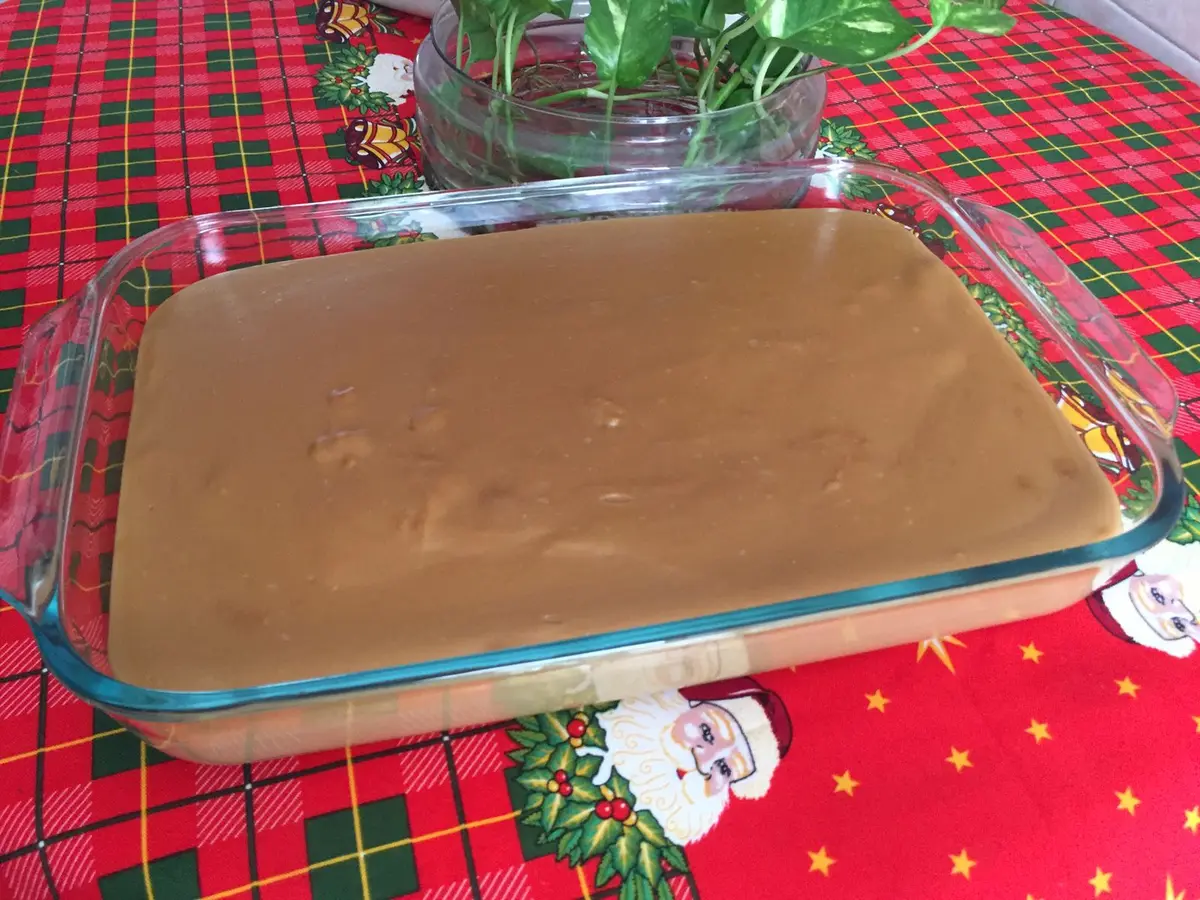
Natilla is a firm, sliceable custard set with cornstarch, milk, panela, and cinnamon. It is not the loose pourable natilla of Spain; the Colombian version is dense enough to cut into squares. It is the centerpiece of Christmas, and every family swears their recipe is the right one. Natilla carries no luck or money symbolism of the kind that attaches to the foods eaten a week later at New Year's. It is simply what December is supposed to taste like.
6. Buñuelos
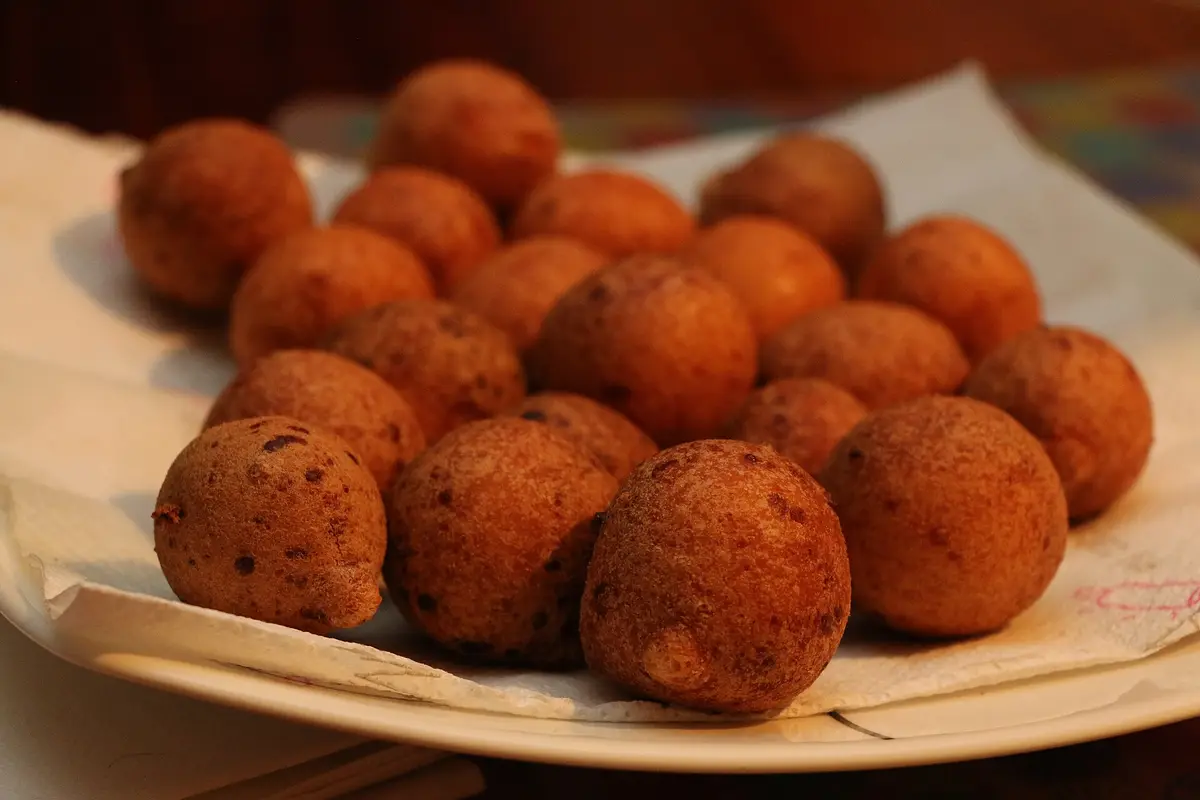
Buñuelos are round fritters made from a dough of cheese and a little starch, deep-fried until golden and crisp outside, soft and slightly springy inside. They are barely sweet, which is exactly why they work next to a square of natilla. Together they are the taste of a Colombian Christmas.
Everyday and street sweets
The rest live closer to daily life: the pudding after lunch, the thing you buy on a road trip, the candy a vendor sells on the beach.
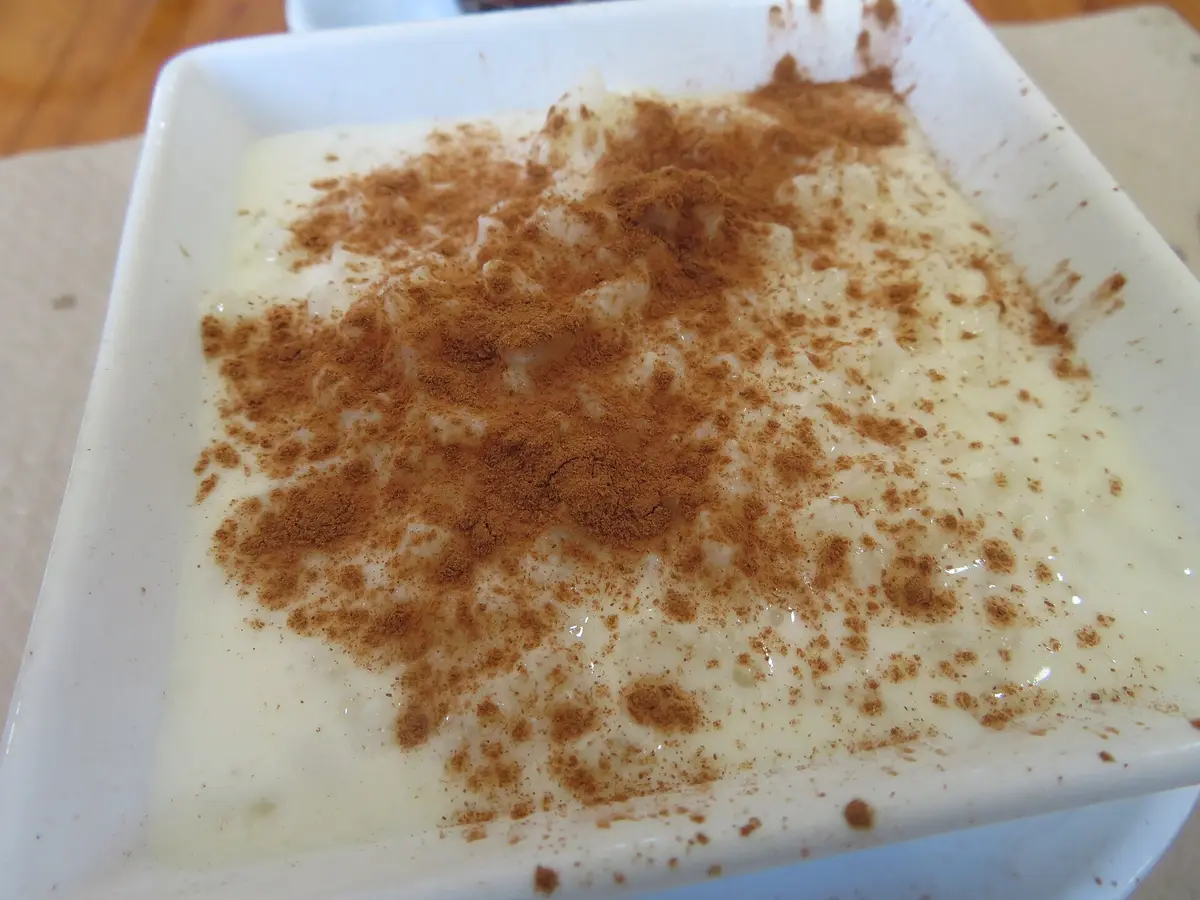
7. Arroz con leche
Rice pudding, cooked with milk, cinnamon, and sugar, often finished with a dusting of ground cinnamon and sometimes raisins. It is found across Latin America, but it is a fixture on the Colombian table, the humble dessert that closes an ordinary lunch.
8. Cuajada con melao
Cuajada is a fresh, mild, slightly salty curd cheese. Pour melao, the dark syrup made from melted panela, over a slice of it and you get cuajada con melao: the salty-sweet, soft-and-syrupy contrast that makes it work. It is simple, rustic, and very Colombian.
9. Postre de natas
Postre de natas is patience as a dessert. You skim the skin (the nata) off scalded milk again and again, collect it, and cook it down with sugar and cinnamon into something rich, chewy, and faintly caramelized. It is old-fashioned and homemade, the kind of sweet a grandmother makes and almost nobody buys.
10. Merengón
Merengón is a big disc of baked meringue, crisp outside and marshmallow-soft inside, piled with whipped cream and fruit. Guanábana (soursop) and strawberries are the classics, with tart passion fruit another natural fit. It is a roadside favorite in the countryside around Bogotá, sold from stands where the cream and fruit go on fresh.
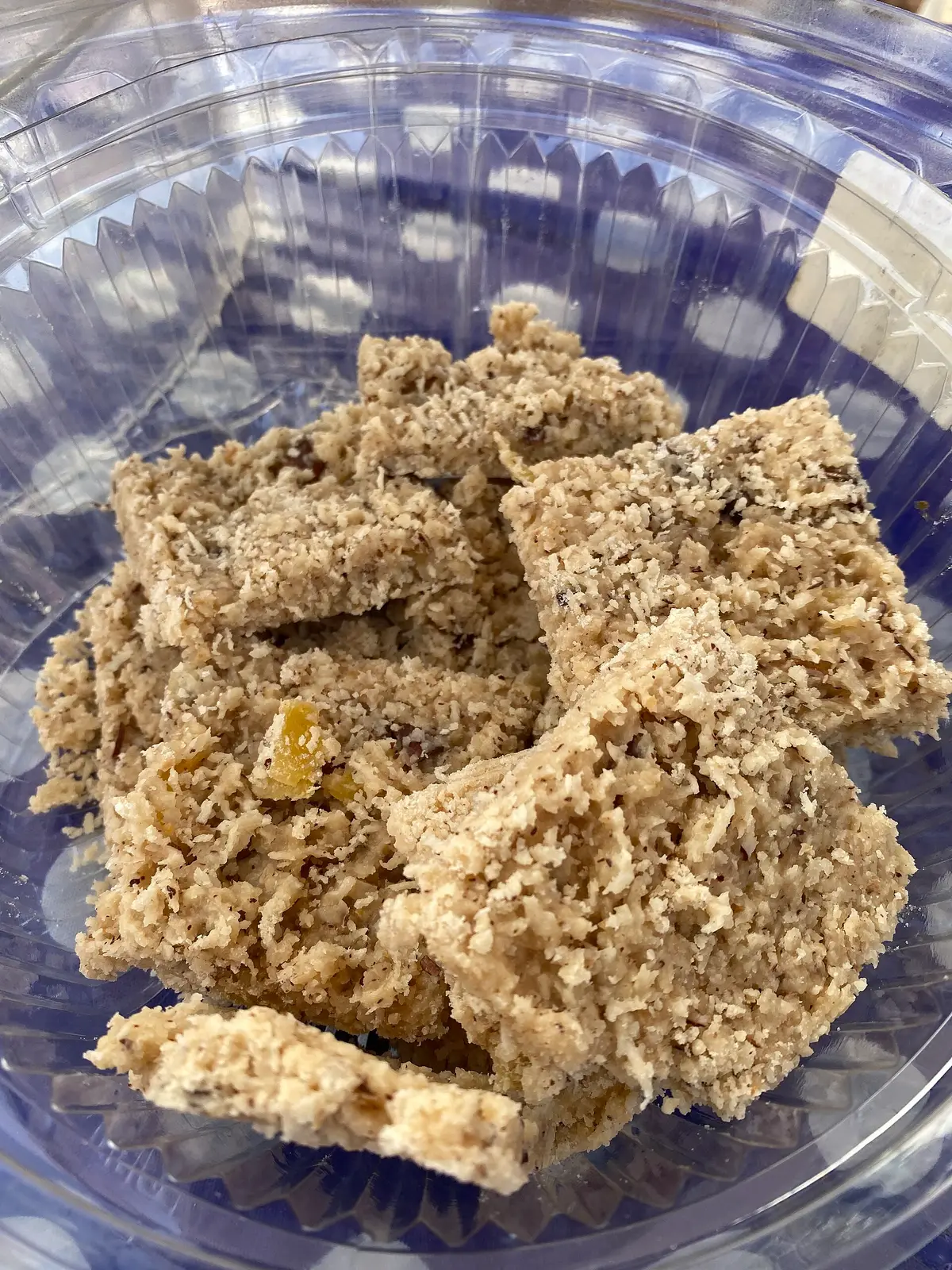
11. Cocadas
Cocadas are chewy coconut candies from the Caribbean coast, sold by vendors along the beaches of Cartagena and beyond. They come in versions: plain white, darker ones made with panela, and some enriched with arequipe. Sweet, dense, and unmistakably of the coast.
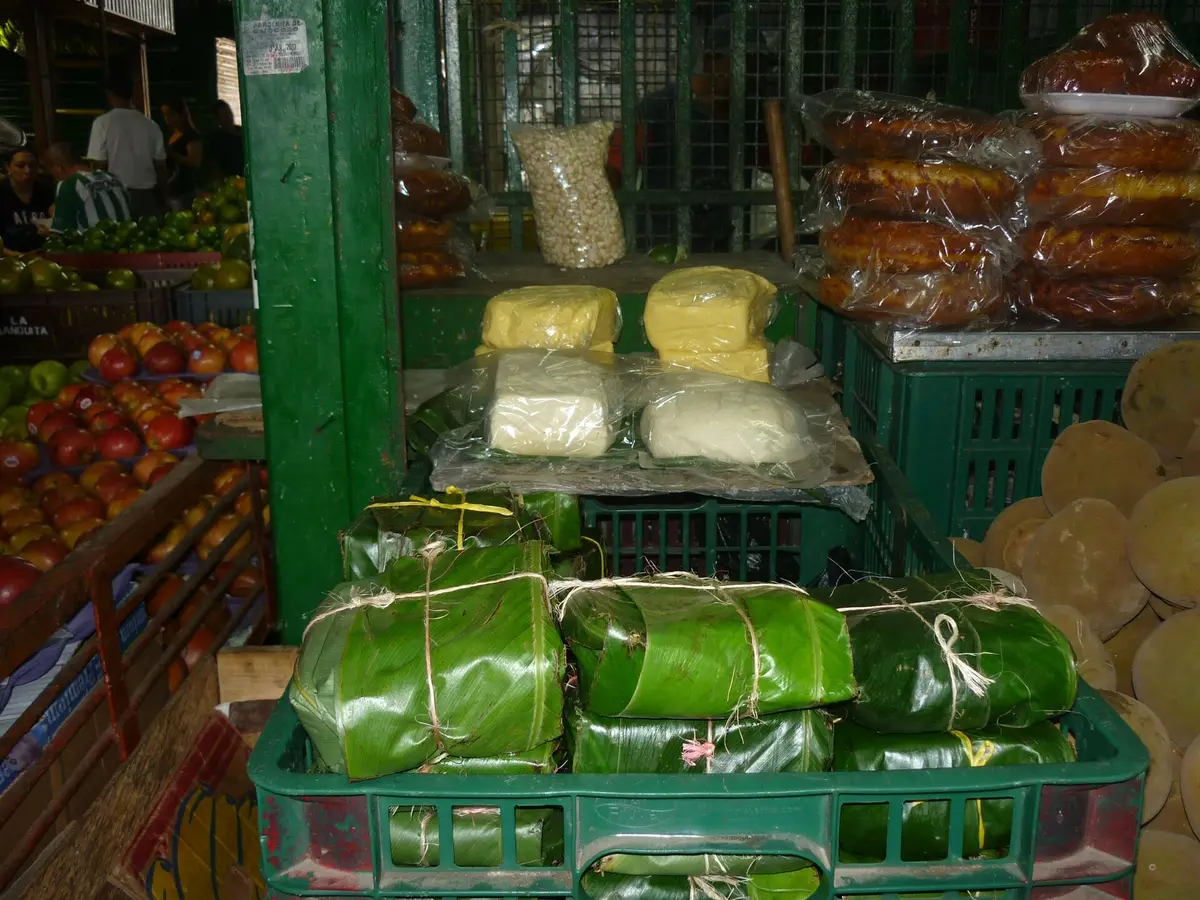
12. Bocadillo
Bocadillo is dense guava paste, cooked down until you can slice it like a brick. The most famous comes from Vélez in Santander, wrapped in dried bijao leaves. The classic way to eat it is bocadillo con queso, a slice of the sweet paste against a slab of fresh white cheese, which is the dessert pictured at the top of this page.
The coast's Holy Week sweets
There is one Colombian dessert tradition I want to call out on its own, because it belongs to my mom's side and to the Caribbean coast rather than to this national list. During Semana Santa, Holy Week, families on the coast make a whole spread of homemade dulces, sweets cooked down in panela syrup from whatever is around: fruits like papaya and mango, and even tubers and vegetables. They are often eaten with a saltine cracker to cut the sweetness. It is a seasonal, regional, and very domestic tradition, the sort of thing made in big batches at home rather than sold in shops, and it is its own world, separate from the everyday sweets above.
Where to go for dessert: San Antonio de Pereira
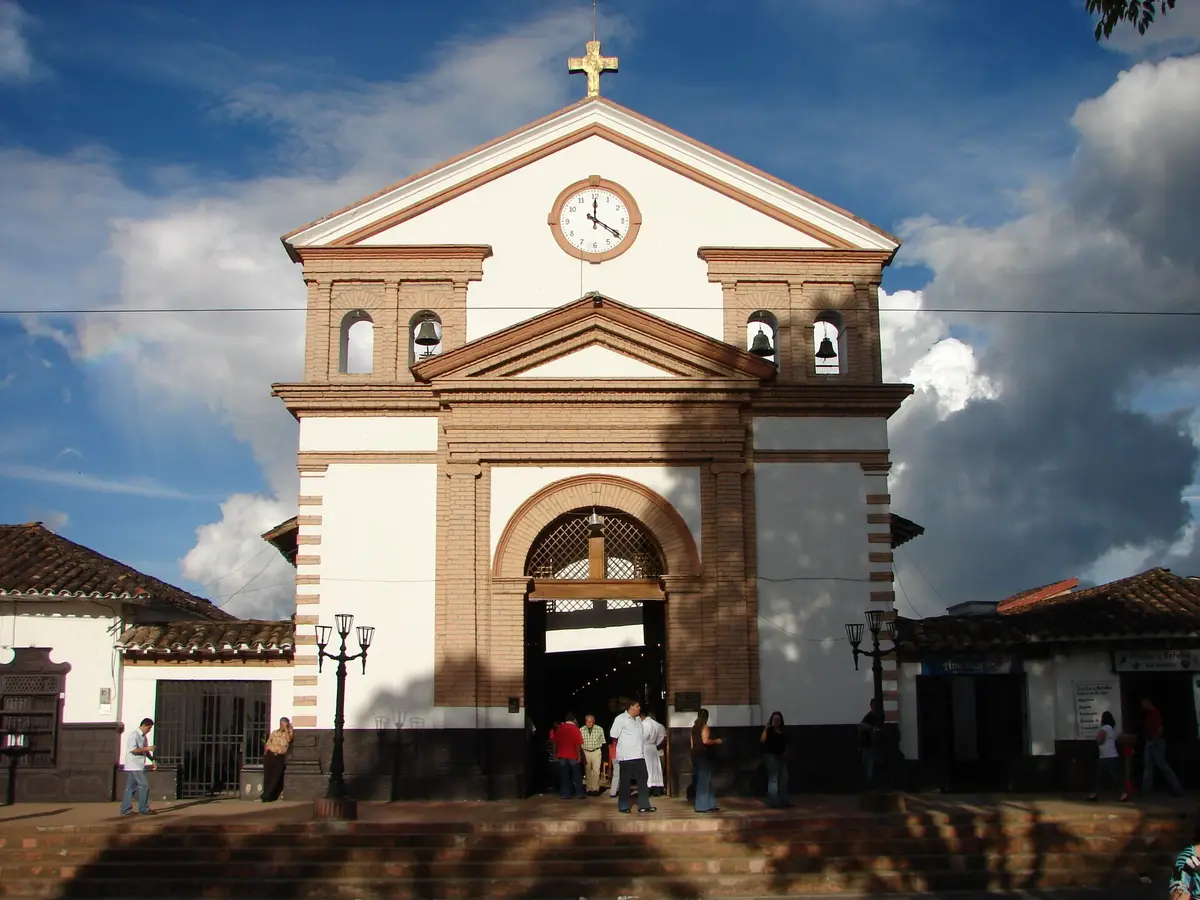
If you want to understand how seriously Colombia takes its sweets, go to San Antonio de Pereira. It is a corregimiento of Rionegro, in Antioquia, part of the same paisa country as Colombia's coffee region, and it is known across the country specifically for its desserts. The streets around the main plaza and church are lined with shops and stands selling postres, and people drive in just to eat them. It is, more or less, a town built around dessert.
Colombian sweets are made for the sobremesa, the long stretch after a meal when the coffee or a small glass of aguardiente comes out and nobody is in a hurry to leave the table. That, more than any single dessert, is where they belong.
Colombian desserts at a glance
| Dessert | What it is | Where or when |
|---|---|---|
| Arequipe | Milk-and-sugar caramel spread | Everywhere, the base of many |
| Obleas | Wafers filled with arequipe | Street carts |
| Brevas con arequipe | Syrup figs filled with caramel | Home tables |
| Manjar blanco | Thicker, denser arequipe | Valle del Cauca |
| Natilla | Firm cinnamon custard | Christmas |
| Buñuelos | Fried cheese-dough fritters | Christmas |
| Arroz con leche | Cinnamon rice pudding | Everyday |
| Cuajada con melao | Fresh cheese with panela syrup | Everyday, rustic |
| Postre de natas | Pudding of cooked milk skins | Homemade |
| Merengón | Meringue, cream, and fruit | Roadsides near Bogotá |
| Cocadas | Chewy coconut candies | Caribbean coast |
| Bocadillo | Dense guava paste, eaten with cheese | Vélez, Santander |
FAQ
What is the most popular dessert in Colombia?
Arequipe, Colombia's version of dulce de leche, is the most ubiquitous. It is eaten on its own and is the base of obleas, brevas con arequipe, and many other sweets. For a single festive dessert, natilla at Christmas is the most iconic.
What is arequipe?
Arequipe is a thick caramel spread made by slowly cooking milk and sugar until it thickens and browns. It is essentially the Colombian name for dulce de leche, and it appears in or on a large share of the country's desserts.
What desserts do Colombians eat at Christmas?
Natilla and buñuelos are the two Christmas desserts. Natilla is a firm cinnamon custard cut into squares, and buñuelos are fried cheese-dough fritters. They are almost always served together during December.
Are Colombian desserts very sweet?
Many are rich and sweet, since panela (unrefined cane sugar) and arequipe do a lot of the work. But several are balanced by salt or sharpness: cuajada con melao pairs salty cheese with syrup, and bocadillo is traditionally eaten with plain white cheese to cut the sweetness.