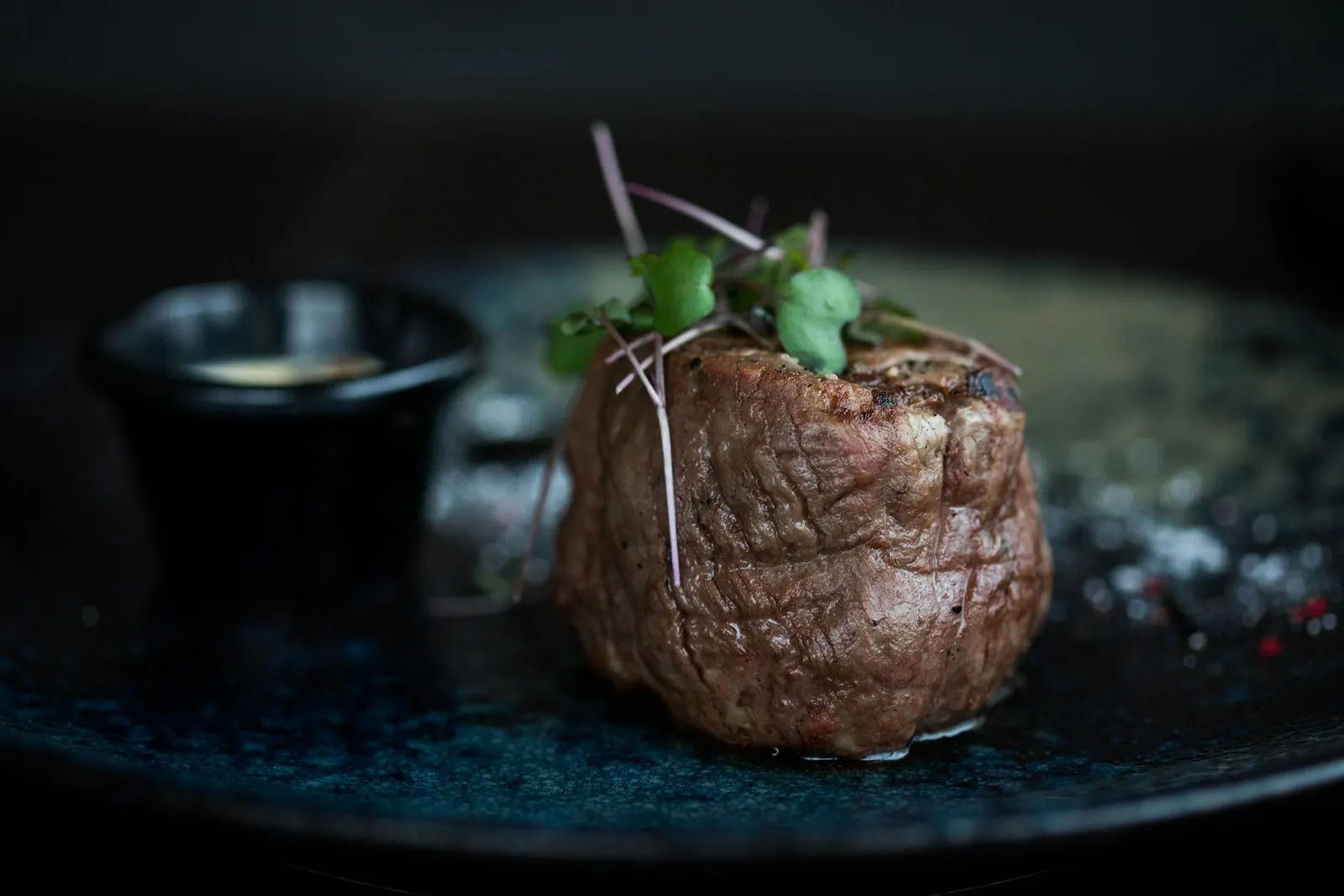
Filet mignon vs ribeye comes down to one trade-off: tenderness versus flavor. Filet mignon is cut from the tenderloin, the least-worked muscle on the steer, which makes it the most tender steak in the case and also the leanest and mildest. Ribeye comes from the rib section, carries heavy marbling, and is the most flavorful common cut you can buy. Filet is the fork-tender, special-occasion steak for anyone who eats with their texture before their palate. Ribeye is the richer, more forgiving, better-value steak that most committed steak eaters reach for. The right pick depends on what you actually want from dinner, and price is not the tiebreaker most people think it is.
What filet mignon actually is
Filet mignon is a cross-section of the tenderloin, a long, tapered muscle (the psoas major) that runs along the inside of the spine through the short loin. That muscle does almost nothing while the animal is alive. It doesn't bear weight, it doesn't move much, and muscles that don't work stay tender. That is the entire reason filet is the softest steak you can buy.
The tenderloin tapers from a thick head at one end to a thin tail at the other. Filet mignon comes from the narrower middle-to-tail portion, cut into the tall, round medallions you recognize on a plate. The thick head end gets sold as chateaubriand or roasted whole. There is only a few pounds of tenderloin on an animal that yields hundreds of pounds of beef, and that scarcity is most of why filet costs what it does.
The trade for all that tenderness is flavor. The tenderloin has very little intramuscular fat, almost no marbling, and none of the connective character that gives a working cut its depth. Filet tastes clean and subtle. People who love it love the texture: a steak you can cut with the side of a fork. People who don't, and I am closer to that camp, find it mild to the point of tasting like the idea of beef rather than beef itself. Both reactions are correct. They are just different priorities.
What a ribeye actually is
The ribeye comes from the rib primal, ribs six through twelve, and it is built from several muscles fused together: the central eye, the heavily marbled cap (the spinalis) that wraps the outside, and a small inner section. The cap is the most flavorful piece of beef on the animal, and it is the part most cooks quietly save for themselves.
Heavy marbling is the ribeye's signature. That intramuscular fat melts as the steak cooks, bastes the meat from the inside, and produces the rich, almost buttery finish ribeye is known for. The fat also makes the cut forgiving: you can be a minute late pulling a ribeye and it still eats beautifully. Filet gives you no such margin. This is the cut I have reached for my whole cooking life, and the contrast in fat is the whole story.
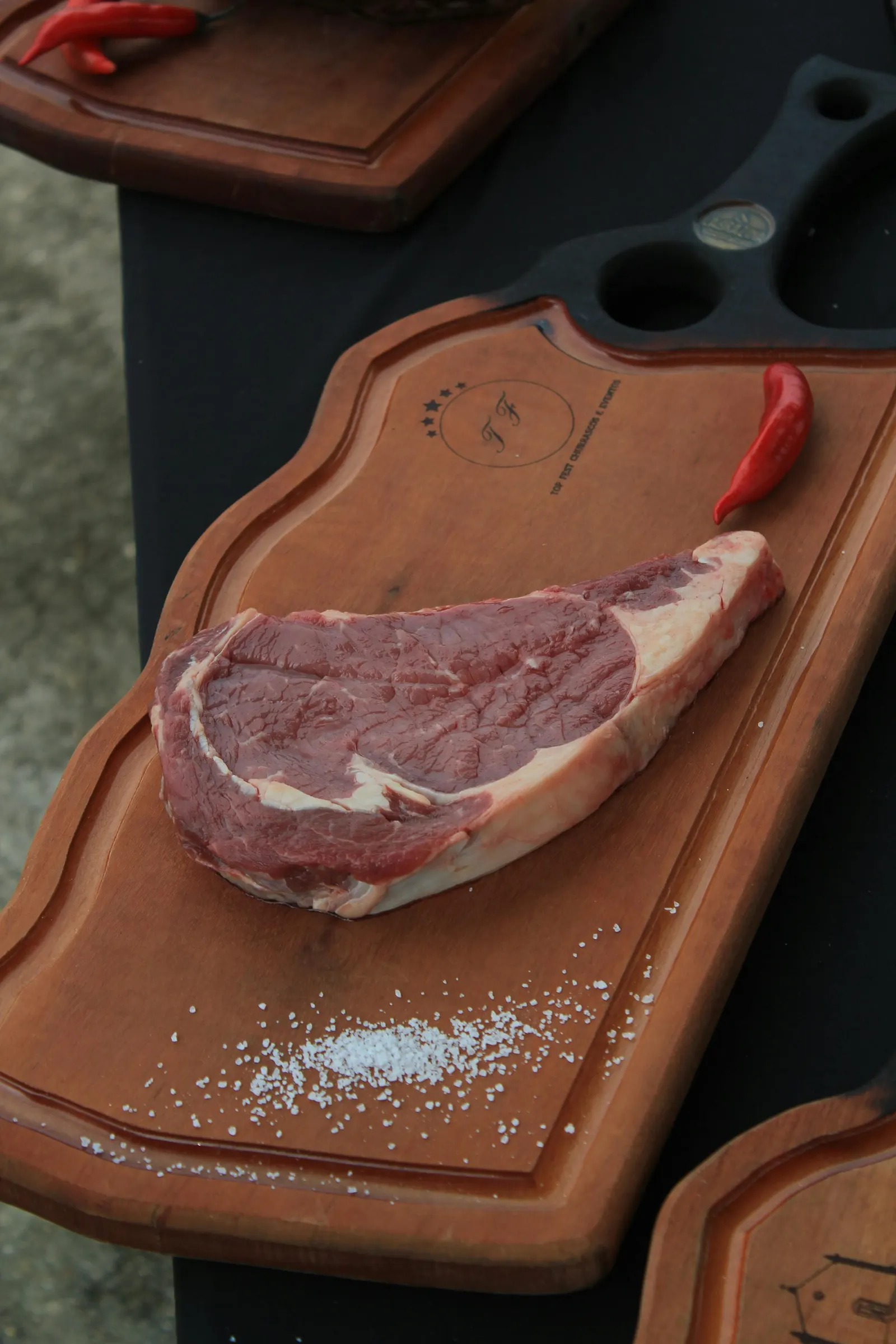
Where filet trades flavor for tenderness, ribeye trades a little tenderness for flavor. A ribeye is plenty tender at medium-rare, but it has structure and chew that filet does not. You are meant to taste it working. For the broader question of which cut fits which meal, the full map is in the best cuts of beef for any occasion, which sets these two against strip, bavette, hanger, and the slow-cook cuts.
Filet mignon vs ribeye side by side
The two cuts sit at opposite ends of the same question. The table makes the trade explicit.
| Filet mignon | Ribeye | |
|---|---|---|
| Where it sits | Tenderloin, in the short loin | Rib primal (ribs 6–12) |
| Marbling | Very little | Heavy, plus a fat cap |
| Flavor | Mild, clean, subtle | Rich, beefy, fat-forward |
| Texture | Exceptionally soft, fork-tender | Tender with real chew and structure |
| Forgiveness on heat | Low; lean meat dries fast | High; the fat buffers timing |
| Best portion | Smaller (6–8 oz) | Larger (10–16 oz) |
| Typical price | Highest per pound of any common cut | High, but usually below filet |
| Best use | Special occasion, lighter plate | Everyday steak night, grilling |
The cleanest way to hold the difference in your head: filet is the cut you choose for how it feels, ribeye is the cut you choose for how it tastes. Almost everything else about cooking and buying them follows from that one line.
How they cook differently
Filet and ribeye want the same basic technique, hot surface and a real crust, but they reward very different attention.
- Filet needs help with flavor and a careful pull. With little fat to render, the crust does most of the flavor work, so sear it hard and season generously. A lean cut also overcooks fast: pull it at 120 to 125 internal and rest it, because past medium it goes from tender to dry with nothing to fall back on. The classic bacon wrap, pan sauce, or compound butter is no accident; it is borrowing the fat the cut doesn't have.
- Ribeye mostly needs to be left alone. Salt it well, get the pan or grill screaming, and the marbling carries the rest. Pull it at 125 to 130. The fat renders into flavor, bastes the meat, and forgives a slightly late pull. A thick ribeye over an inch and a half is the textbook reverse-sear candidate, and a bone-in tomahawk is just that ribeye with a showpiece handle.
Both cuts pay off from the same prep step. Salting well ahead of time, the night before for a thick cut, dries the surface for a better crust and seasons deeper than a last-minute sprinkle. The science and timing are laid out in the right way to salt a steak, and the lean filet, with no fat to hide a weak crust, needs that edge even more than the ribeye does.
When filet mignon wins
I lead with ribeye in my own kitchen, so it is worth being honest about where filet is genuinely the better choice. The case is real, and it is not a consolation prize.
- When texture is the point. If what you love about a steak is the knife going through it like soft butter, nothing else comes close. No amount of marbling makes a ribeye as soft as a filet. This is a real preference, not a lesser one.
- When the plate should be light. Filet is the steak for a multi-course dinner, a richer sauce, or a guest who finds ribeye's fat too much. A six-ounce filet sits comfortably under a heavy sauce and a glass of red where a fatty ribeye would tip the meal over.
- For a guest who flinches at fat. Some people genuinely dislike the rendered-fat mouthfeel of a ribeye. For them, filet is not a compromise, it is the right call. Cooking the cut someone actually enjoys is the whole job.
- For presentation. The tall, round medallion plates beautifully and portions cleanly. There is a reason it is the steakhouse special-occasion cut and the one that shows up at weddings.
When ribeye wins
For most people, cooking most steak dinners, ribeye is the better buy, and the reasons stack up.
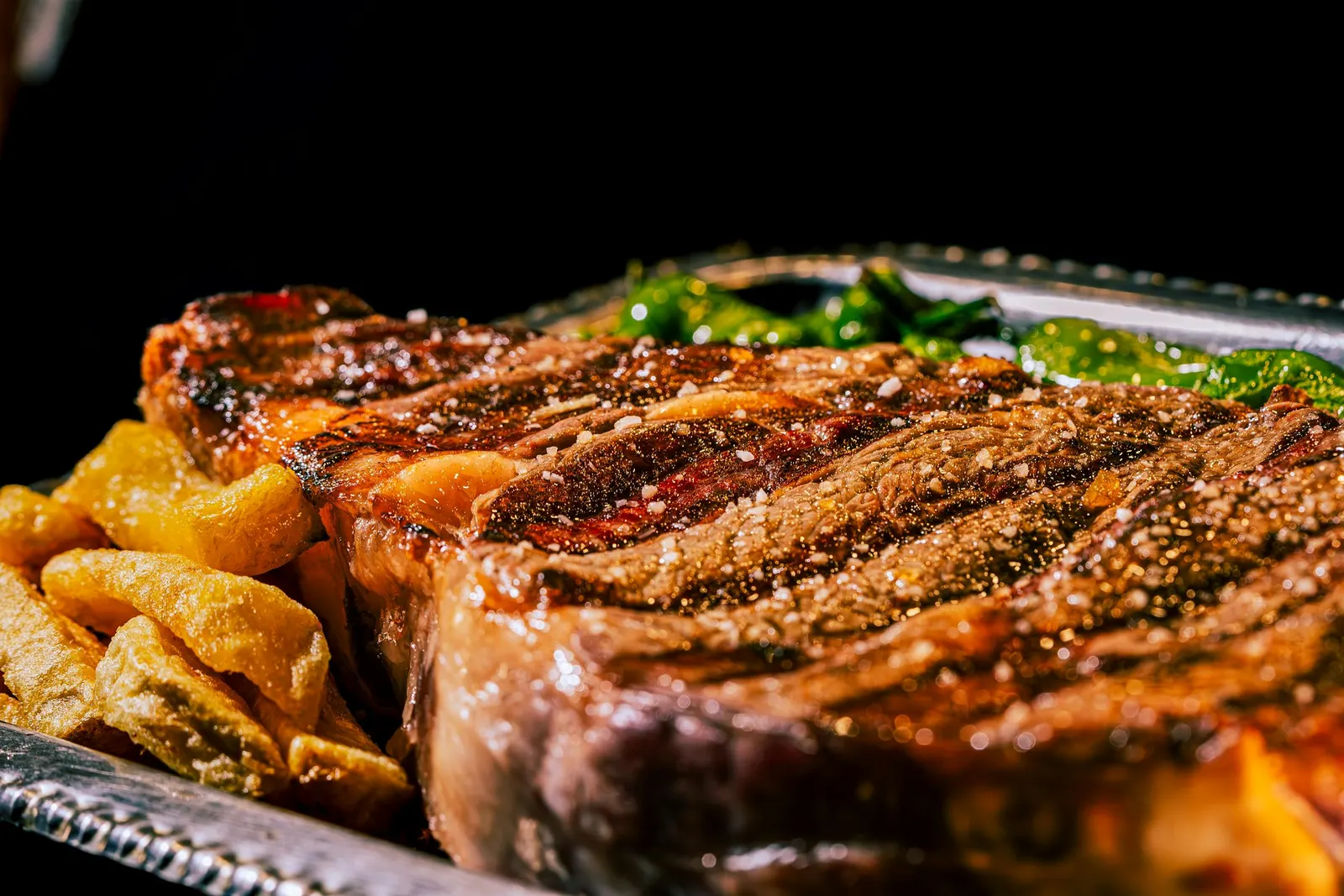
- On flavor, decisively. The marbling and the cap give ribeye a depth filet can't reach. If you are cooking a steak because you want to taste beef, this is the cut.
- On forgiveness. The fat buffers timing mistakes, which makes ribeye the right cut for a less experienced cook or for an outdoor grill with people watching and a drink in your hand.
- On value, often. Filet usually carries the highest price per pound of any common cut, and you are paying for scarcity and tenderness, not flavor. A well-marbled ribeye delivers more eating pleasure per dollar for anyone who ranks taste first. This is also where grade matters: a heavily marbled Choice ribeye often beats a pricier Prime cut, so the upgrade money is better spent on visible fat than on a label.
- For the cook who wants one steak to be good at everything. Ribeye grills, sears, reverse-sears, and slices for a board. Filet is comparatively single-purpose.
If you want the version of this decision between two flavor-forward cuts rather than across the flavor-tenderness divide, ribeye against New York strip is the closer call, and the one most steak eaters actually agonize over.
How to buy either one well
The cut sets the ceiling; the specific piece decides whether you reach it. For a filet, look for even thickness, deep red color, and a tight grain, and skip any with heavy silverskin, which signals a sloppy trim. For a ribeye, the read is all about marbling: fine white veining spread evenly through the eye, plus a generous, well-attached cap. The full field guide to what makes a good steak pays off more on these two cuts than on anything else in the case, because they are the ones you are spending real money on.
FAQ
Which is better, filet mignon or ribeye?
Neither is better in the abstract; they answer different questions. Ribeye is better for flavor, value, and forgiveness on heat, which makes it the better everyday steak and the one most dedicated steak eaters prefer. Filet mignon is better for tenderness, presentation, and a lighter plate, which makes it the better special-occasion cut and the right choice for anyone who prizes a soft texture over deep beef flavor. If you are buying a steak to taste beef, choose ribeye. If you are buying it for the fork-tender texture, choose filet.
Why is filet mignon so expensive if it has less flavor?
Filet is expensive because it is scarce, not because it is the most flavorful. The tenderloin is a single small muscle on each animal, only a few pounds out of hundreds, and it produces the most tender steak there is. You are paying for tenderness and rarity. Marbling, which drives flavor, is what you pay for in a ribeye. That is why a well-marbled ribeye can cost less than a filet and still out-taste it for most people.
Which is more tender, filet mignon or ribeye?
Filet mignon is significantly more tender. It comes from the tenderloin, the least-worked muscle on the steer, and muscles that do little work stay soft. Ribeye is tender at medium-rare but has more structure and chew because it does more work and carries more connective material between its muscles. No common cut is more tender than filet.
How should you cook a filet mignon versus a ribeye?
Both want a hot surface and a hard sear, but filet needs more help and a tighter window. Because filet is lean, season it aggressively, sear hard for a real crust, and pull it early at 120 to 125 degrees, since it dries out fast past medium. It pairs well with a pan sauce or compound butter to add the fat it lacks. Ribeye is more forgiving: salt it, sear it hot, and pull at 125 to 130, letting the marbling render and baste the meat. Thick ribeyes are ideal for a reverse sear.
Is filet mignon worth the price?
It depends on what you want. Filet is worth it when you specifically want the softest possible texture, an elegant presentation, or a lighter plate for a multi-course meal, and when the occasion justifies the premium. It is not worth it if your main goal is flavor, because the same money buys a more flavorful, more forgiving ribeye. Buy filet knowing you are paying for tenderness and scarcity, not taste.
If you are cooking for someone who finds a ribeye too rich, filet is the kind and correct thing to put in front of them, and worth every dollar for that dinner. For my own plate, I will take the marbling and the crust nearly every time, and spend the filet premium on a thicker, better-aged ribeye instead. Pick by the person eating and the meal around it, not by which cut has the bigger reputation.