There is no universal dining etiquette. The table manners you grew up with are local customs, not global rules, and crossing a border can flip them entirely. Eating with your hands is refined behavior in one country and a lapse in another. Slurping is a compliment in Japan and a problem in France. This is a country-by-country guide to how dining etiquette actually varies around the world. It is a companion to the broader guide to dining etiquette; here the focus is purely on how customs change from place to place, and the aim is not to memorize every rule but to travel with the right instinct: watch first.
There are no universal table manners
It is worth saying plainly, because it is the whole point. The behaviors that feel like basic good manners (which hand you eat with, whether you finish your plate, whether you make noise) are not basic at all. They were decided locally, over centuries, and they were decided differently in different places.
This means a well-mannered person in one country can commit a real breach in another without doing anything "wrong." The error is not bad manners. It is assuming manners are the same everywhere. Once you let go of that assumption, dining abroad gets easier, not harder, because you stop trusting your reflexes and start reading the table.
Eating with your hands
In much of India, the Middle East, North and East Africa, and parts of Southeast Asia, eating with the hands is the normal, correct way to eat many foods. It is not a lack of refinement. It is often described as a fuller way of eating, one that connects you directly to the texture and temperature of the food.
The shared rule across these cultures is the right hand. The left hand is traditionally reserved for other functions and is kept away from food. Eat, pass, and accept with the right hand.
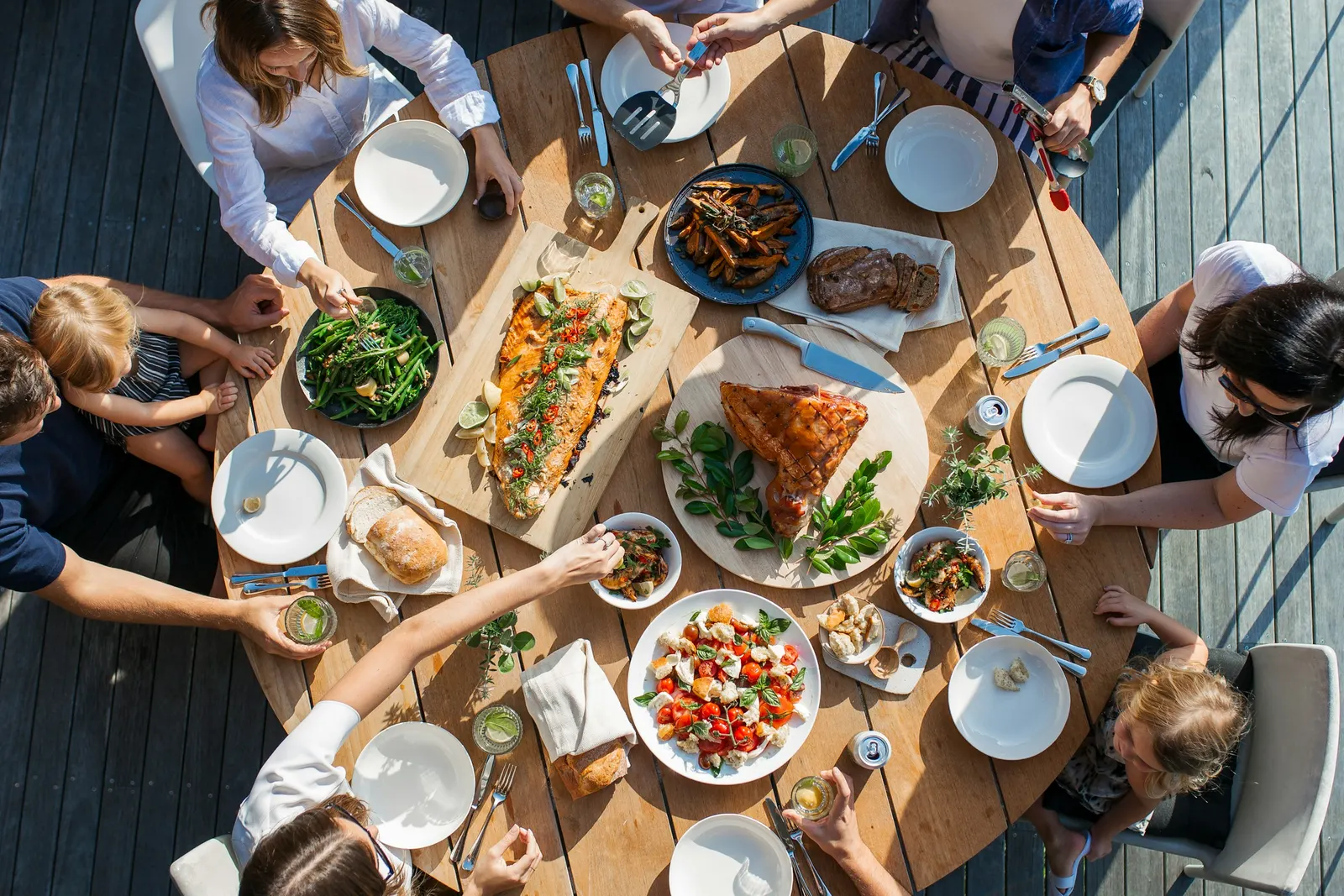
Ethiopia shows the custom at its richest. A meal is commonly served on one large shared platter lined with injera, a spongy flatbread, and diners tear off pieces of injera to scoop the food. There is also gursha: placing a choice morsel of food into another diner's mouth by hand, a gesture of affection and honor. Across the Gulf and the Middle East, communal dishes and the pressing of more food on a guest are core expressions of hospitality; a host who stops offering food may feel they have failed.
The chopstick cultures
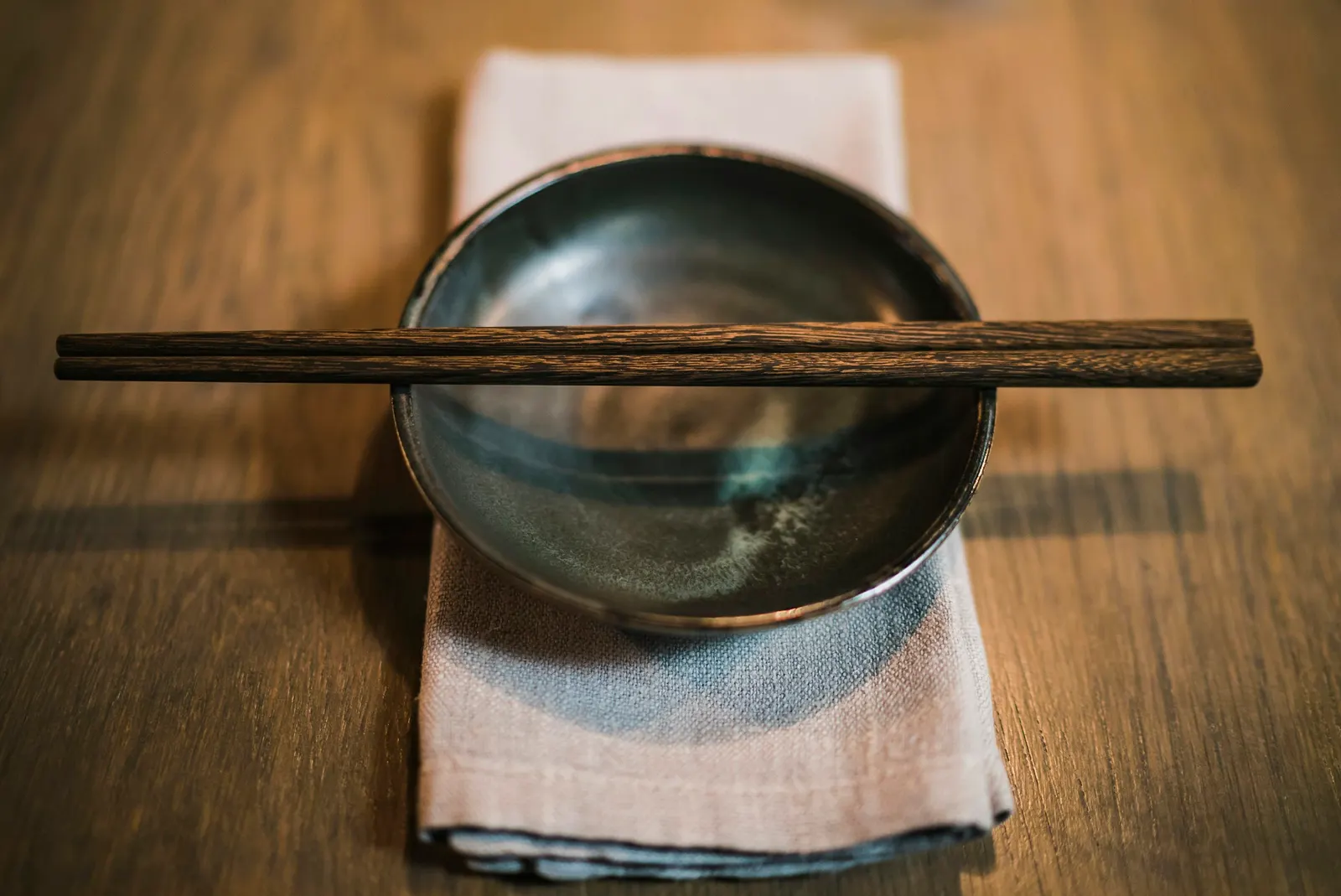
China, Japan, Korea, Vietnam and others all use chopsticks, and they share a small set of firm rules. Two should never be broken: never stand chopsticks upright in a bowl of rice (it mirrors incense burned for the dead), and never pass food directly from one person's chopsticks to another's (in Japan this echoes a funeral ritual). Beyond that, do not point with chopsticks, do not spear food, and rest them on a rest or across the bowl when pausing.
After the shared rules, the three big chopstick cultures diverge sharply.
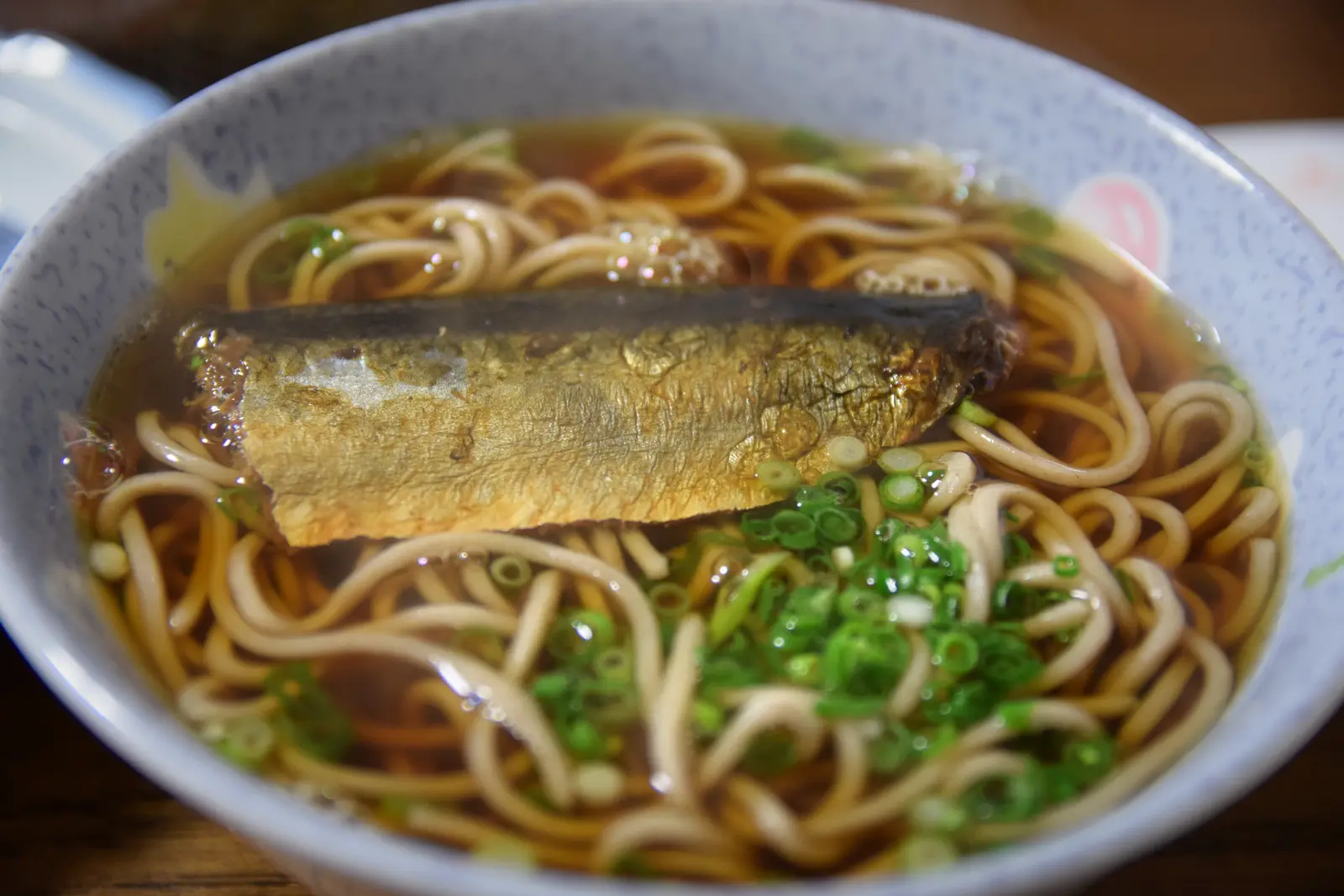
Japan. Slurping noodles is acceptable and can signal enjoyment. Small bowls of rice or soup are lifted off the table and held near the mouth. You do not pour your own drink; you pour for others and let them pour for you. And tipping is not customary; leaving extra money can confuse or even offend.
China. Dishes are communal, set in the middle of the table, often on a rotating lazy Susan, and the host frequently serves guests directly. Toasting is common and energetic. When someone pours your tea, a light tap of two fingers on the table is a quiet thank-you. The seat of honor typically faces the entrance of the room.
Korea. The most senior person at the table begins first; you wait for them. Drinks are poured and received with two hands, or one hand supporting the other, as a sign of respect, especially toward elders. And here is the reversal that catches travelers: in Korea you do not lift the rice bowl off the table. It stays down, and you use a spoon for rice and soup. That is the exact opposite of the Japanese habit of raising the bowl.
Southeast Asia: the fork and spoon
Much of Southeast Asia does not lead with chopsticks at all. In Thailand, the main utensils are a fork and a spoon, and the technique is specific: the fork is used to push and arrange food onto the spoon, and you eat from the spoon. Putting the fork itself in your mouth is not done. Chopsticks appear mainly with noodle dishes. The Philippines also runs on the fork-and-spoon pairing. It is a small thing, but eating "correctly" in Bangkok means putting the fork down as the delivery tool, which is unintuitive for many Western visitors.
Europe: small rules, strongly held
European dining looks familiar to Western visitors, which is exactly why its specific rules trip people up.
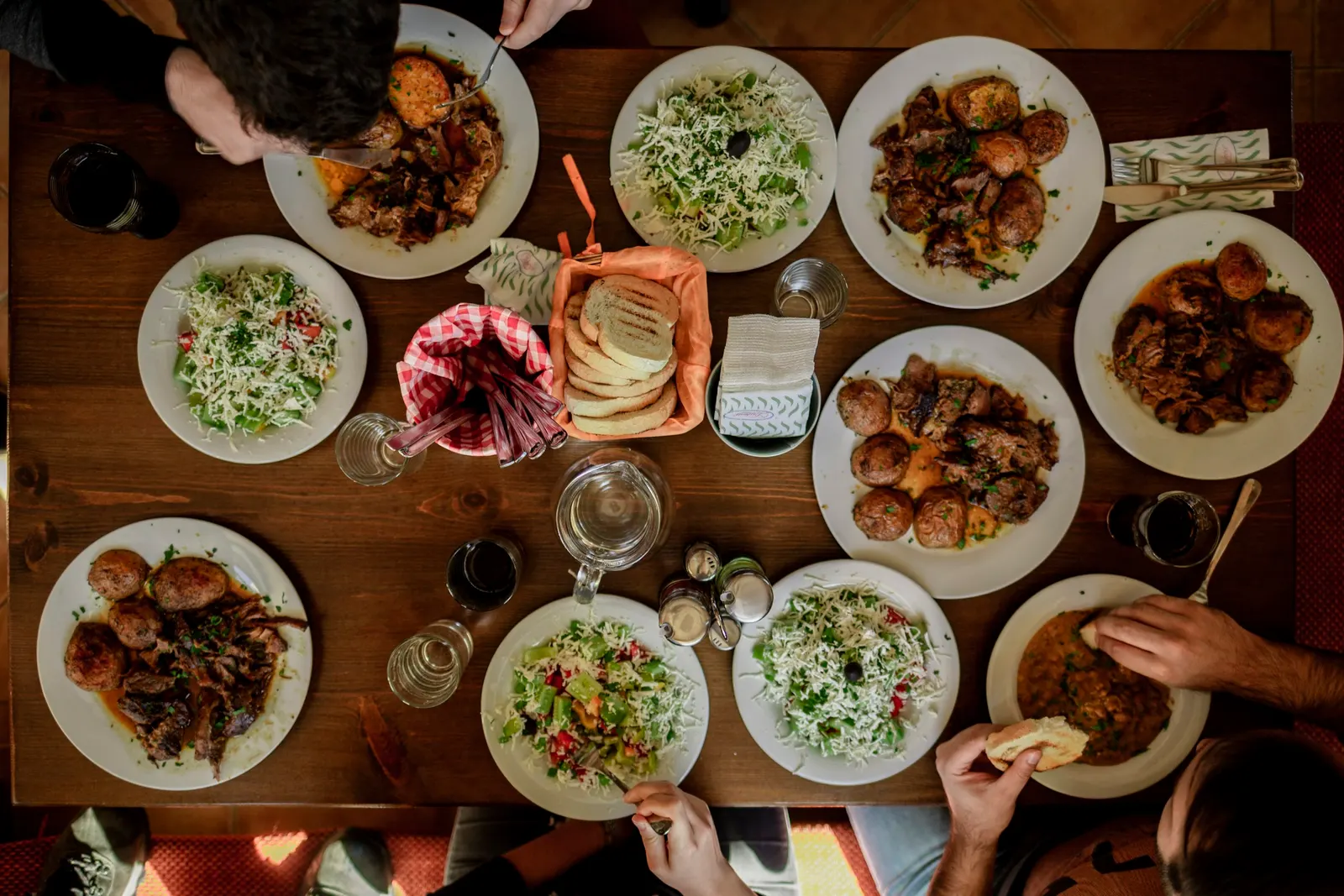
France. Bread is placed directly on the table or tablecloth beside your plate, not on a separate bread plate, and that is correct. Keep your hands, or at least your wrists, visible on the table rather than in your lap. Meals are unhurried, and asking to split the bill many ways is mildly frowned upon.
Italy. Cappuccino is a morning drink; ordering one after dinner marks you instantly as a tourist. And traditionally, hard cheese is not added to seafood pasta.
Germany and Central Europe. When you toast, make eye contact with each person as glasses meet. Clinking while looking away is considered rude and, by superstition, bad luck.
Spain. Meals run late by other countries' clocks, with lunch around two and dinner often after nine. Spain is also the home of sobremesa, the long, unhurried conversation that continues at the table after the food is finished; rushing away from it can read as cold. It is a custom worth understanding on its own terms, covered in what 'sobremesa' actually means in Spain, and it shapes how tapas bars actually work too.
Portugal. Do not ask for salt and pepper if they are not already on the table. It can suggest the cook seasoned the food poorly.
Georgia. The Georgian feast, the supra, is led by a tamada, a toastmaster who directs an elaborate sequence of toasts through the meal. Eating and drinking follow his lead, not your own pace.
The Americas
Mexico. A taco is eaten with the hands, always. Reaching for a knife and fork to eat a taco is the faux pas, not the other way around. Much of Latin America also keeps its own version of sobremesa, lingering and talking long after the plates are cleared.
Chile. Chile runs against the regional grain: Chileans eat almost nothing with their hands. Even french fries and pizza are commonly eaten with a knife and fork.
The United States. The standout American custom is tipping. It is expected, it is substantial (commonly 15 to 20 percent and often more), and it is structural: service staff are frequently paid on the assumption that tips will make up their income. A visitor who tips by their home country's lighter standard is, in the American context, underpaying someone's wage. The economics behind that are shifting and contested, which is its own story in how tipping is changing.
How to read any table
You cannot memorize the dining etiquette of every country, and you do not need to. What you need is a method, and it is the same one everywhere.
Do not reach first. When you sit at an unfamiliar table, in a foreign country or simply in someone's home, wait and watch. See which hand people eat with, what they pick up and what they leave, whether they wait for someone to begin, how fast they go. Then follow. If you genuinely do not know something, ask warmly; almost everyone is glad to explain their own table to a curious guest.
The traveler who gets dining etiquette wrong is almost never the one who did not know a rule. It is the one who assumed their own rules applied and acted before looking. Watch first, and the table will tell you most of what you need to know.
FAQ
Which countries eat with their hands?
Eating with the hands is traditional and normal across much of India, the Middle East, North and East Africa, and parts of Southeast Asia. In these cultures it is done with the right hand, and it is understood as a fuller, more connected way of eating, not as a lack of manners. Ethiopia is a clear example: meals are eaten from a shared platter with injera bread used to scoop the food.
What are the rules for using chopsticks?
A few rules hold across most chopstick cultures: never stand chopsticks upright in a bowl of rice, do not pass food directly from chopsticks to chopsticks, do not point with them or spear food, and rest them on the chopstick rest or across the bowl when not in use. Beyond those, customs differ by country, so the standing-upright and passing rules are the ones to never break.
Why shouldn't you stick chopsticks upright in rice?
Chopsticks standing upright in a bowl of rice resemble incense sticks burned at funerals and offerings for the dead across much of East Asia. Because of that association, doing it at a normal meal is considered unlucky and disrespectful. Rest your chopsticks flat on a rest or across the top of the bowl instead.
Do you tip in other countries?
Tipping varies enormously. In the United States, tipping (commonly 15 to 20 percent or more) is expected, because service staff are paid on the assumption that tips will follow. In Japan, tipping is not customary and can cause confusion. Across much of Europe a service charge is often included and only small rounding-up is expected. Always check the local norm before you travel; assuming your home country's tipping rule is a common mistake.
What is the most common dining etiquette mistake travelers make?
Assuming their own table manners are universal. The most reliable way to avoid trouble at a foreign table is simple: do not reach first. Watch the host and the locals, see how they handle the food, the utensils, and the pace, and follow them. Almost every awkward moment abroad comes from acting on a home-country instinct instead of observing the table you are actually at.