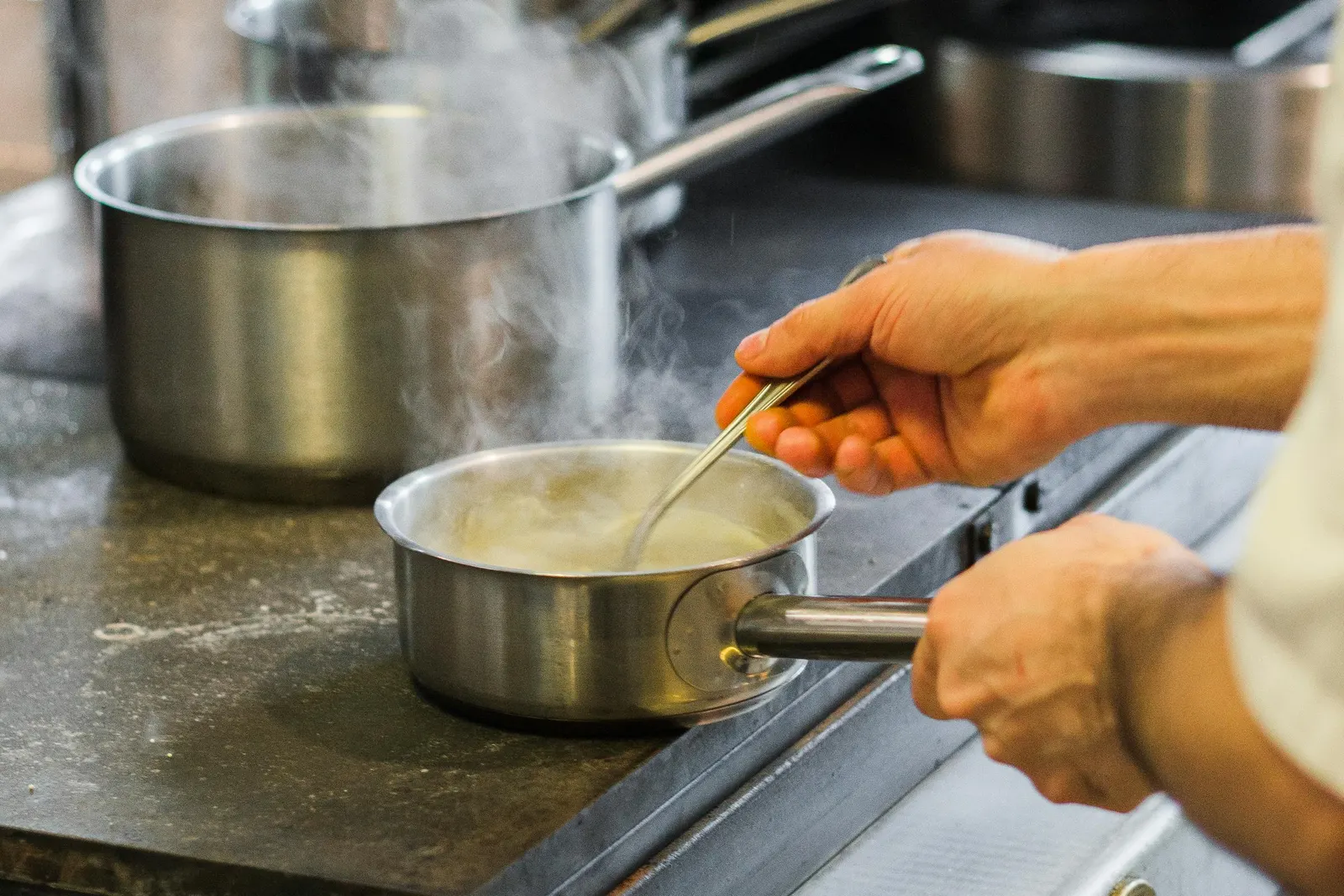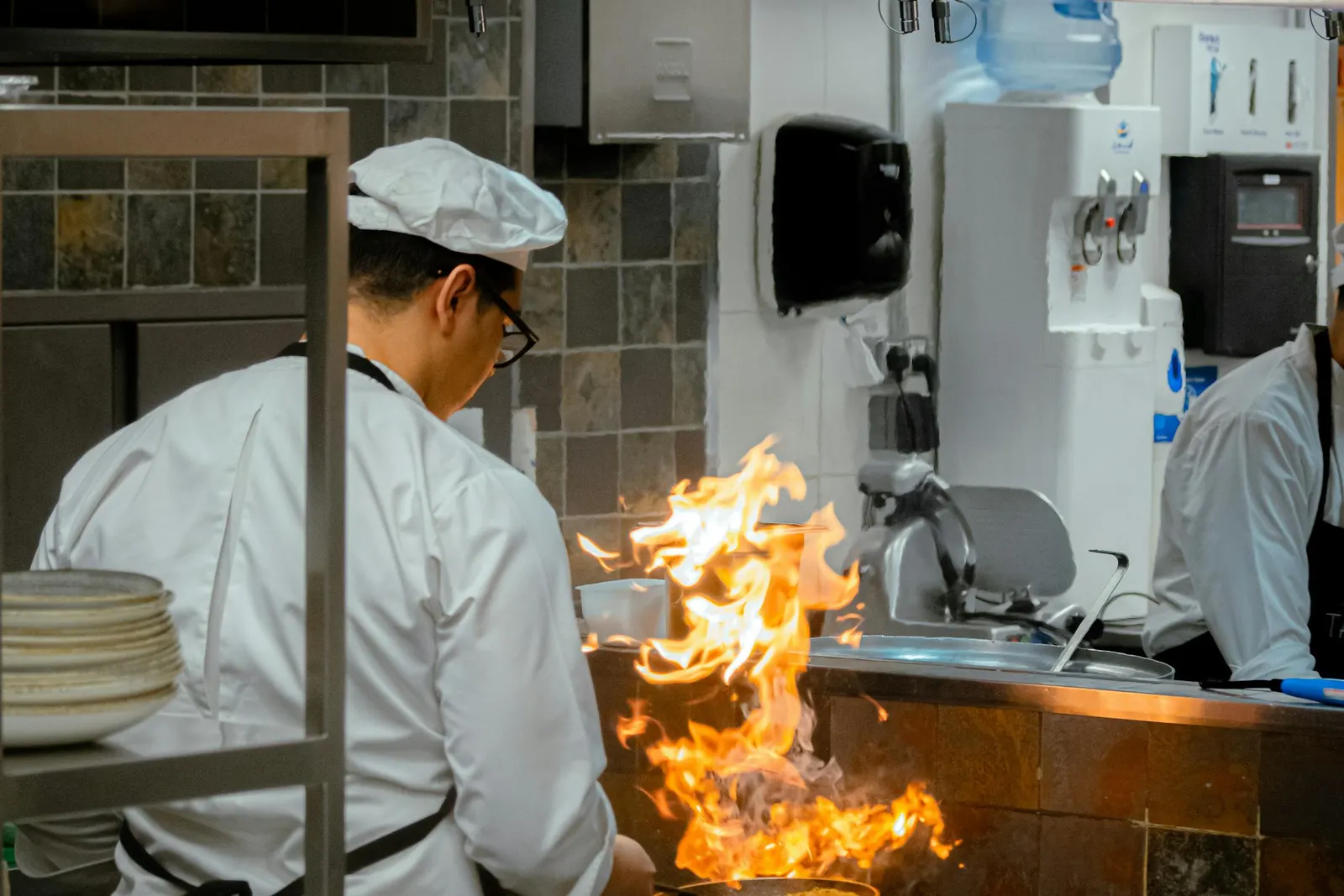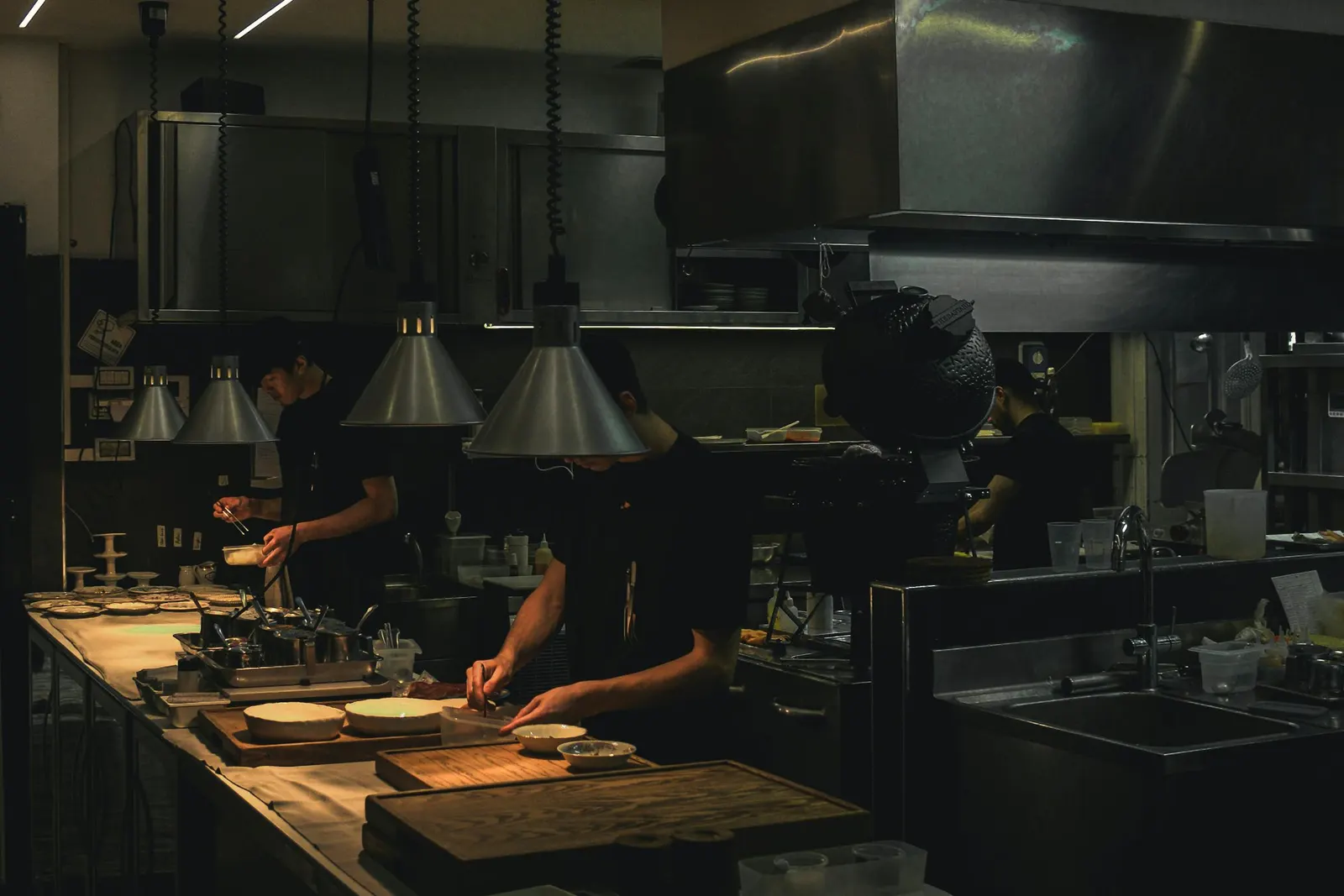
A sous chef is the second-in-command of a restaurant kitchen and the person actually running the line most nights. The job sits directly under the chef de cuisine in the kitchen brigade system, and the sous chef is who the line cooks take direction from once service starts. In practice, the sous chef manages prep during the day, runs the line during service, handles the schedule and the ordering, and steps in on any station that is falling behind. In most modern kitchens, when the chef is off the line or off-property, the sous chef is the kitchen.
What a sous chef actually does
The job has more parts than the title suggests. A working day looks roughly like this.
Before service, the sous chef is on prep. They walk the kitchen, check what every station has on hand and what is still owed, sign off on receiving from suppliers, and decide what gets prepped first. They are the person who notices that the saucier ran short on stock yesterday and tonight's covers are twenty percent over the projection, and they reroute the prep accordingly. They run the family-meal coordination and the daily mise check.
During service, the sous chef is on the line. In the busiest kitchens they expedite, calling out tickets and timing the dishes coming up from each station. In smaller kitchens they work a station themselves while keeping an eye on every other station's pace. They are the person who steps in when the new line cook is falling behind, when a station goes down because of a broken piece of equipment, when an order comes back from the floor and needs to be remade in ninety seconds.
After service, the sous chef closes the kitchen with the team, walks the line for cleanliness, signs off on the prep list for the next day, and writes whatever notes the chef de cuisine needs to see in the morning.
That is the rhythm. The chef de cuisine sets the menu and the standards. The sous chef makes the line run.
Where the sous chef sits in the brigade
In the classical kitchen brigade, the sous chef sits directly under the chef de cuisine and directly above the chefs de partie. The reporting structure is military by design. Every cook on every station reports to the sous chef, the sous chef reports to the chef de cuisine, and the chef de cuisine reports to the executive chef (if there is one separately) or to ownership.
In a kitchen with multiple sous chefs, the brigade often distinguishes them by area of responsibility. A pastry sous chef runs the pastry side. An a.m. sous chef opens and handles prep through lunch. A p.m. sous chef takes over for the evening service. In smaller kitchens, one sous chef covers all of it.
The position is the most consistent role across kitchens of every size. A thirty-seat bistro has a sous chef. A two-hundred-seat fine dining room has a sous chef. The complexity of the job scales with the kitchen, but the seat itself is non-negotiable in any kitchen of meaningful volume.
A day in the working life
A typical sous chef day:
- 9:00 a.m. Arrive at the kitchen. Walk the line. Check the dish pit. Open the walk-in. Inventory of what came in and what is still on order.
- 9:30 a.m. Prep starts. Cooks arrive in waves. The sous chef hands out the prep list, answers questions, sets the priorities.
- 11:30 a.m. Family meal goes out. Brief pause.
- 12:00 noon. Lunch service if the restaurant runs lunch. The sous chef works the line or expedites.
- 3:00 p.m. Lunch service ends. Reset prep. Re-check inventory. Order what's owed.
- 4:30 p.m. Family meal number two. Pre-service line check. The sous chef walks every station with the chef and confirms the line is ready.
- 5:00 p.m. Dinner service begins. The sous chef is at the pass, on a station, or both, for the next five to seven hours.
- 11:00 p.m. to midnight. Service ends. Cleanup. Walk-through. Notes for the chef. Out the door.
A sous chef will work this rhythm five to six days a week, with one or two days off that often land on Monday or Tuesday, never the weekend.
Sous chef vs chef de cuisine vs executive chef
The hierarchy reads, top to bottom:
- Executive chef. Corporate role above the chef de cuisine. Runs the food program across multiple kitchens or outlets. In a single-restaurant operation, the chef de cuisine and the executive chef can be the same person. In a hotel or restaurant group, they are not.
- Chef de cuisine. Head of a single kitchen. Sets the menu, the standards, the costs. Diners think of this person as "the chef."
- Sous chef. Second-in-command. Runs the kitchen on the ground, day to day.
- Chef de partie. Station chef. Runs one specific part of the line.
The clearest practical line between sous chef and chef de cuisine is this: the chef de cuisine owns the menu. The sous chef owns the execution. When the menu has to change, that is the chef's call. When tonight's service has to get out the door, that is the sous chef's job.
The career-path question of whether becoming a chef is worth it at all is a separate piece, and the climb from sous chef up is most of what that question is about.
What it takes to make sous chef
Most chefs make sous chef after four to eight years of line work. The path: prep cook, line cook on garde manger or another entry station, line cook on hot stations, lead line cook, sous chef. The years are variable. The capabilities are not.
What a kitchen looks for in a sous chef candidate:
- Command of every station. Not depth at one, competence at all of them. A sous chef has to be able to step in anywhere.
- Steady under pressure. Service does not care if you are tired. The sous chef sets the temperature of the line by how they behave during the worst part of a push.
- Organized enough to run prep. A bad sous chef forgets to order veal stock. A good sous chef never lets the kitchen run out of anything.
- Trusted by the chef. This is the harder one. The chef has to know that when they walk out the door at 6 p.m., the kitchen will hold without supervision.
A note from a former sous chef
I held the sous chef position in a handful of kitchens before climbing further, including a late-night industry bar in New York where the rhythm of service was completely different from a normal restaurant. What the title actually meant on the ground, in every one of them, was that the chef trusted me to keep the line moving without them watching. The pay was better than line cook by a meaningful margin and worse than chef de cuisine by a lot. The hours were the same as the line cooks under me, except I stayed later to lock up.
The part of the job nobody puts in a written description is that the sous chef is also the kitchen's quiet diplomat. You are managing personalities as much as plates. The grill cook who is fighting with the saucier. The new hire who is hiding mistakes. The dishwasher who is bringing personal stuff into work. The chef does not handle most of that. The sous chef does. The kitchen runs because someone in the middle of it is making sure the friction does not turn into a service-breaking problem.
It is the role I would point most ambitious line cooks toward. It teaches you the actual running of a kitchen in a way that no other position does. It is also the on-ramp to every chef de cuisine job that follows.
FAQ
What does a sous chef do?
A sous chef is the second-in-command of a restaurant kitchen. They run the line during service, manage prep during the day, handle the cook schedule and ordering, and fill in on any station that falls behind. In most modern kitchens, the sous chef is the working manager of the kitchen, with the chef de cuisine above them setting menus and standards.
What does "sous chef" mean?
Sous chef is French and translates directly as "under chef" or "chef beneath." The word reflects the position's place in the kitchen brigade: directly below the chef de cuisine and directly above the chefs de partie who run individual stations.
How much does a sous chef make?
Sous chef pay varies significantly by city and restaurant type. In a major U.S. coastal city, a sous chef at a serious restaurant typically makes more than line cooks but less than the chef de cuisine. The pay gap between sous chef and chef de cuisine is often substantial, which is one reason most sous chefs spend the role as a stepping stone to the chef position rather than as a destination.
How long does it take to become a sous chef?
The typical path takes four to eight years of professional line cook experience. The sous chef position requires command of every station, the ability to manage other cooks, organizational skills to run prep, and enough trust from the chef de cuisine to be left in charge of service. Faster timelines happen but are unusual.
What is the difference between a sous chef and a chef de cuisine?
The chef de cuisine sets the menu and the standards for the kitchen. The sous chef executes them. The chef owns the creative direction and the financial responsibility. The sous chef owns the day-to-day operation. When a service goes badly, both feel it. When a service goes well, the sous chef made it happen on the ground.