A restaurant dress code is the standard of dress a restaurant expects of its guests, usually stated as a single phrase: casual, smart casual, business casual, cocktail, or, at the formal end, jacket required or black tie. Each phrase sits on a ladder, and each rung carries real expectations about clothing, shoes, and overall polish. A dress code is not snobbery; it is the restaurant telling you, in advance, what kind of evening it intends to give you. This guide decodes every tier, explains how to read a dress code a restaurant has not stated, and covers the one principle that resolves almost every uncertainty. It is the companion to our broader guide to dining etiquette.
What a restaurant dress code actually signals
A dress code is information. When a restaurant publishes one, it is describing the experience it has built and the atmosphere it wants to protect.
A room designed for slow, expensive, multi-hour dinners maintains that mood partly through how its guests look. A guest in gym clothes at a hushed tasting-menu restaurant is not committing a moral offense, but they do change the room for everyone around them, and the restaurant knows it. The dress code is the restaurant's attempt to keep the experience consistent for every table.
That is why the code is worth respecting rather than resenting. It is also why a restaurant that states no dress code is still telling you something. Price, the look of the dining room, the neighborhood, and how hard the table is to get all signal the expected level of dress just as clearly as a printed rule. Reading those signals is a real skill, and we will come back to it.
The dress codes, decoded
Here is the ladder, from least to most formal, and what each rung actually asks of you.
Casual. The everyday tier. Clean, presentable clothing is all that is required. Jeans are fine, t-shirts are usually fine, comfortable shoes are fine. This covers most neighborhood restaurants, cafés, and family spots. "Casual" still means clean and presentable: it is not an invitation for beachwear or gym clothes.
Smart casual. The most common modern restaurant dress code, and the most misread, because the word "casual" makes people underdress. Smart casual means elevated, put-together clothing one clear step above everyday wear: dark jeans, chinos, or trousers; a collared shirt, a polished top, or a sweater; clean leather shoes or clean, minimal sneakers. It rules out graphic t-shirts, athletic wear, flip-flops, and anything ripped or distressed. The simplest test: you look like you made an effort.
Business casual. Roughly what a professional office without a suit requirement expects: trousers or chinos, a button-down shirt or blouse, often a blazer, and closed leather shoes. It is slightly more formal and more conservative than smart casual, and it is common at restaurants built around work lunches and client dinners. Treat "no jeans" as the safe assumption.
Cocktail or "elegant." The upscale-dinner tier. This means a cocktail dress or a suit, with dress shoes. A tie is usually optional now, but a jacket is expected. The clothing is deliberate, tailored, and clearly formal without being black tie.
Jacket required. Not a vague tier but a specific, literal rule, and one of the few hard dress rules left in dining: men must wear a tailored jacket or sport coat at the table, however warm the night. Restaurants that enforce it will often keep loaner jackets for guests who arrive without one, and some will turn away a guest who refuses. If a restaurant says "jacket required," believe it exactly.
Black tie. The most formal tier, rare for restaurants and more common for events: a tuxedo, or a formal gown or elaborate cocktail dress. Very few restaurants ever ask for it; when one does, it is unmistakable.
A note on direction of travel: dress codes have loosened a great deal. Strict enforcement and "jacket required" are far less common than a generation ago. But "less common" is not "gone," and the formal tiers still exist precisely where the experience depends on them.
How to read a dress code the restaurant never stated
Most restaurants do not print a dress code at all. They still have one; it is just unwritten. To read it, look at four things:
- Price. The higher the prices, the more dress is expected. A tasting menu in the hundreds carries an unstated dress code even if the website is silent.
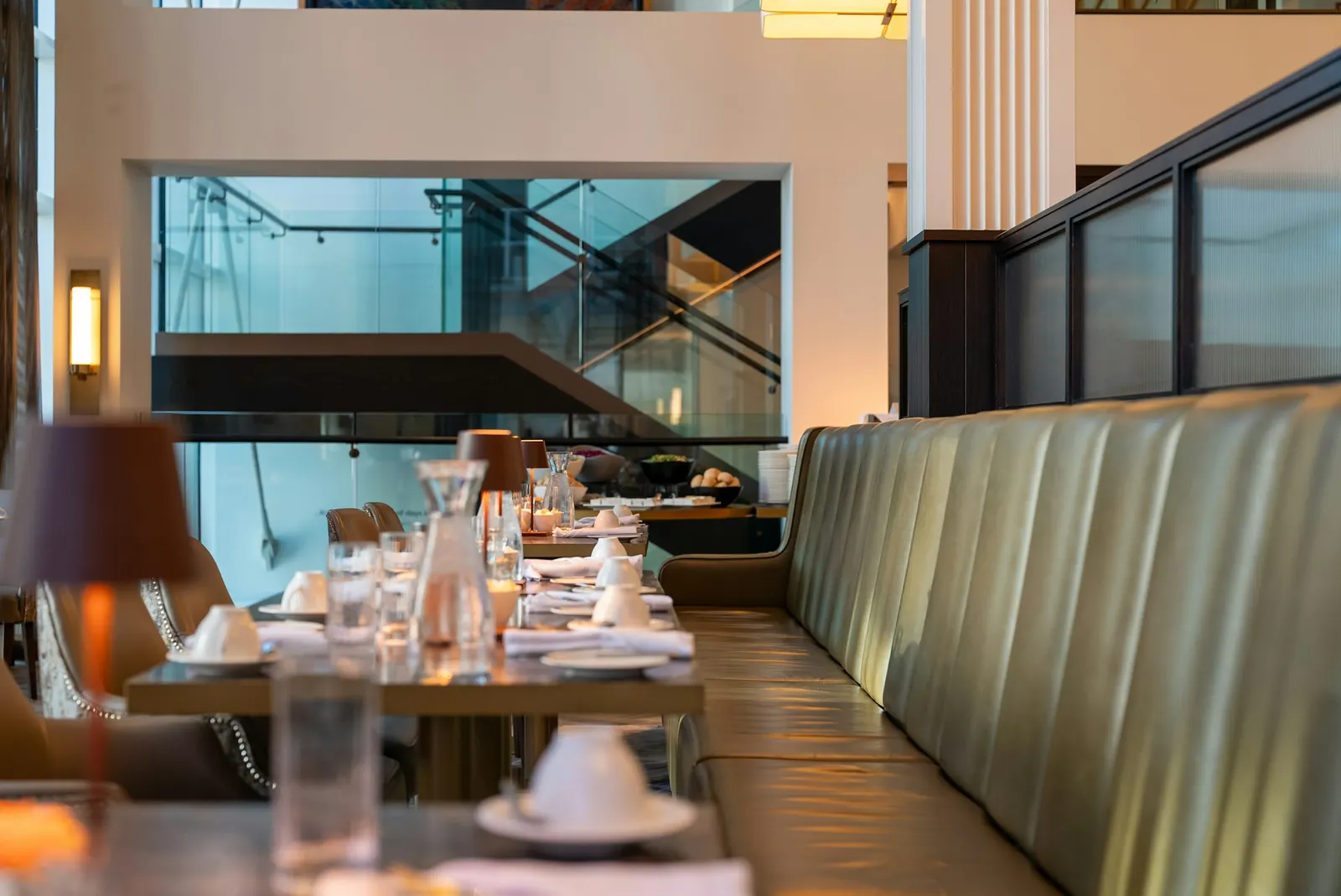
- The room. Look at photos of the dining room. White tablecloths, low light, and spacing between tables point upward. Bright light, hard surfaces, and tight seating point toward casual.
- The neighborhood and the cuisine. A formal French or steakhouse room expects more than a casual taqueria or a noodle bar, almost regardless of price.
- How hard it is to book. A restaurant that is difficult to get into has guests who treat the meal as an occasion, and they tend to dress for it.
Put those together and the unstated code is usually obvious. When it is not, there is one rule that settles it.
The one rule that never fails: when in doubt, overdress
If you genuinely cannot tell how formal a restaurant is, dress slightly up.
Being a little overdressed costs you almost nothing. It reads as respect for the occasion and for whoever invited you, and no host has ever been embarrassed by a guest who looked a touch too polished. Being clearly underdressed is the opposite: it can make you self-conscious for the whole meal, make your hosts uncomfortable on your behalf, and at the strict end of the ladder it can cost you the table entirely.
The asymmetry is the whole argument. The downside of overdressing is mild; the downside of underdressing runs from awkward to disqualifying. When the two options are uncertain, the math is not close.
What actually gets you turned away
At the small number of restaurants that genuinely enforce a dress code, certain items reliably cause a problem: athletic and gym wear, flip-flops and beach sandals, visibly ripped or distressed clothing, beachwear, sportswear and team jerseys, and at the formal end, the absence of a required jacket. Sneakers and shorts sit in a gray zone that depends entirely on the restaurant.
If you have any doubt about a specific restaurant, the fix is simple and worth the two minutes: call and ask. The person who answers, often the host or maître d', will tell you exactly what the room expects, and asking in advance is far better than discovering the code at the door. The same instinct applies to a business dinner, where dressing correctly is part of the professional read on you.
Dressing for a restaurant is not about wealth or fashion. It is about matching the effort of the room and the people you are dining with. Get that match roughly right, and what you wore becomes invisible, which is exactly what you want it to be.
FAQ
What does "smart casual" mean at a restaurant?
Smart casual means elevated, put-together clothing that is not formal but is clearly a step above everyday wear. In practice: dark jeans or chinos or trousers, a collared shirt or a polished top or sweater, and clean leather shoes or clean minimal sneakers. It rules out t-shirts with graphics, athletic wear, flip-flops, and anything ripped or distressed. It is the most common modern restaurant dress code and the most misread, because the word "casual" makes people underdress.
What is a business casual dress code at a restaurant?
Business casual is roughly what you would wear to a professional office that does not require a suit: trousers or chinos, a button-down shirt or blouse, often a blazer, and closed leather shoes. It is slightly more formal and more conservative than smart casual, and it is common at restaurants that host a lot of work lunches and client dinners. No jeans is the safest assumption unless you know the room is relaxed.
Can you wear jeans to a restaurant?
At casual and most smart casual restaurants, yes, as long as the jeans are dark, clean, and free of rips or distressing, and the rest of the outfit is pulled together. At business casual restaurants, jeans are riskier and often best avoided. At cocktail, jacket-required, or black-tie restaurants, jeans are not appropriate. The cleaner and darker the jeans, the more settings they work in.
What does "jacket required" mean?
"Jacket required" means a restaurant expects men to wear a tailored jacket or sport coat at the table, regardless of how warm it is. It is one of the few hard dress rules left in dining. Restaurants that enforce it will often lend a jacket to a guest who arrives without one, and some will turn the guest away if they refuse. If a restaurant states "jacket required," take it literally.
What should you wear if a restaurant has no stated dress code?
Read the restaurant's signals: its price level, the look of its dining room in photos, its neighborhood, and how hard it is to book. An expensive, formal-looking, hard-to-book restaurant expects you to dress up even if it never says so. When you genuinely cannot tell, dress slightly up. Being a little overdressed reads as respect for the occasion; being clearly underdressed can make the evening uncomfortable and, at strict restaurants, cost you the table.


