Restaurant reviews are still credible in 2026, but credibility no longer means what it used to. A generation ago, a restaurant review came from one of a small number of professional critics working under strict rules. Today the word "review" covers a newspaper critic, a Michelin inspector, a video creator who may have been paid by the restaurant, and an anonymous account leaving a star rating, all at once. They are not equally reliable, and they are not trying to do the same thing. The useful question is no longer whether reviews can be trusted, but which kind of review you are reading and what its incentives are.
The old model: the anonymous critic
The traditional restaurant review was built around a set of safeguards, most of them invisible to the reader. The Michelin Guide still runs the clearest version of the system: its inspectors "visit restaurants anonymously," and their "meals and expenses are paid for by Michelin, never by a restaurant being reviewed." Michelin states the same policy on its own site.
Those two facts do most of the work. Anonymity means the kitchen cannot plate a better dish for the reviewer than for the table next to them. Paying the bill means the reviewer owes the restaurant nothing. The credibility was structural, not a matter of any one critic's character.
Newspaper critics operated on the same principles. Historically, a staff critic at a major paper tried to dine without being recognized, visited a restaurant several times before writing a word, and had a budget large enough to cover every meal. The independence came from the business model: the critic was paid by the publication, and the publication sold its credibility to readers, not to restaurants.
When that model worked, a single review carried enormous weight. Pete Wells, the chief restaurant critic of The New York Times from 2012 until he stepped down in 2024, wrote reviews that became national news: his scathing 2012 review of a Guy Fieri restaurant was later called likely the most widely read restaurant review ever, and his 2016 downgrade of Per Se to two stars prompted a public apology from the restaurant's owner. A strong notice could fill a dining room for months; a harsh one could empty it.
That arrangement also produced a particular kind of writing: the sustained argument, the willingness to say a celebrated restaurant had slipped. The case made in A Case Against the Tasting Menu belongs to that tradition, criticism as a reasoned position rather than a thumbs-up.
What changed: criticism got cheaper, and much louder
Two things happened at once. The institutions that funded professional criticism shrank, and a cheaper kind of review rushed in to fill the space.
The decline of the newspaper critic is well documented. Writing about the disappearance of critics in his own city, the food writer Corey Mintz observed that "when I started my career reviewing restaurants, my city of 3 million people had five full-time critics. Now there are none." That city is Toronto, and it is not unusual. Criticism done properly is expensive, so as newspaper budgets contracted, the full-time restaurant critic became an easy line item to cut.
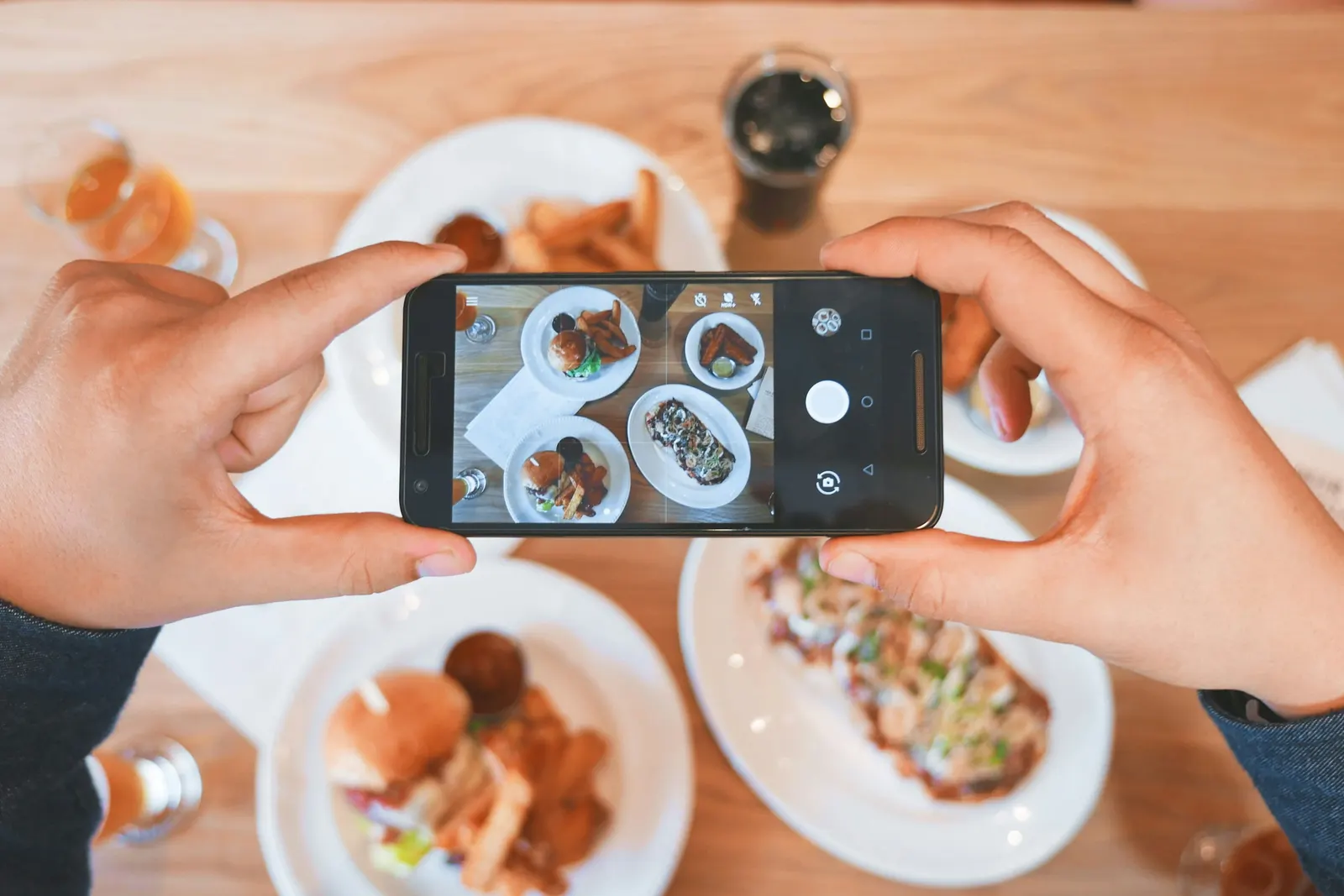
At the same time, the audience moved. Writing about the rise of food content on TikTok, Slate put it plainly: "restaurant critics and food writers have been replaced by 30-second influencer reviews." A single creator can now reach more people in an afternoon than a print critic reached in a year. The slow, anonymous, expensive review lost ground to the fast, cheap, face-forward one.
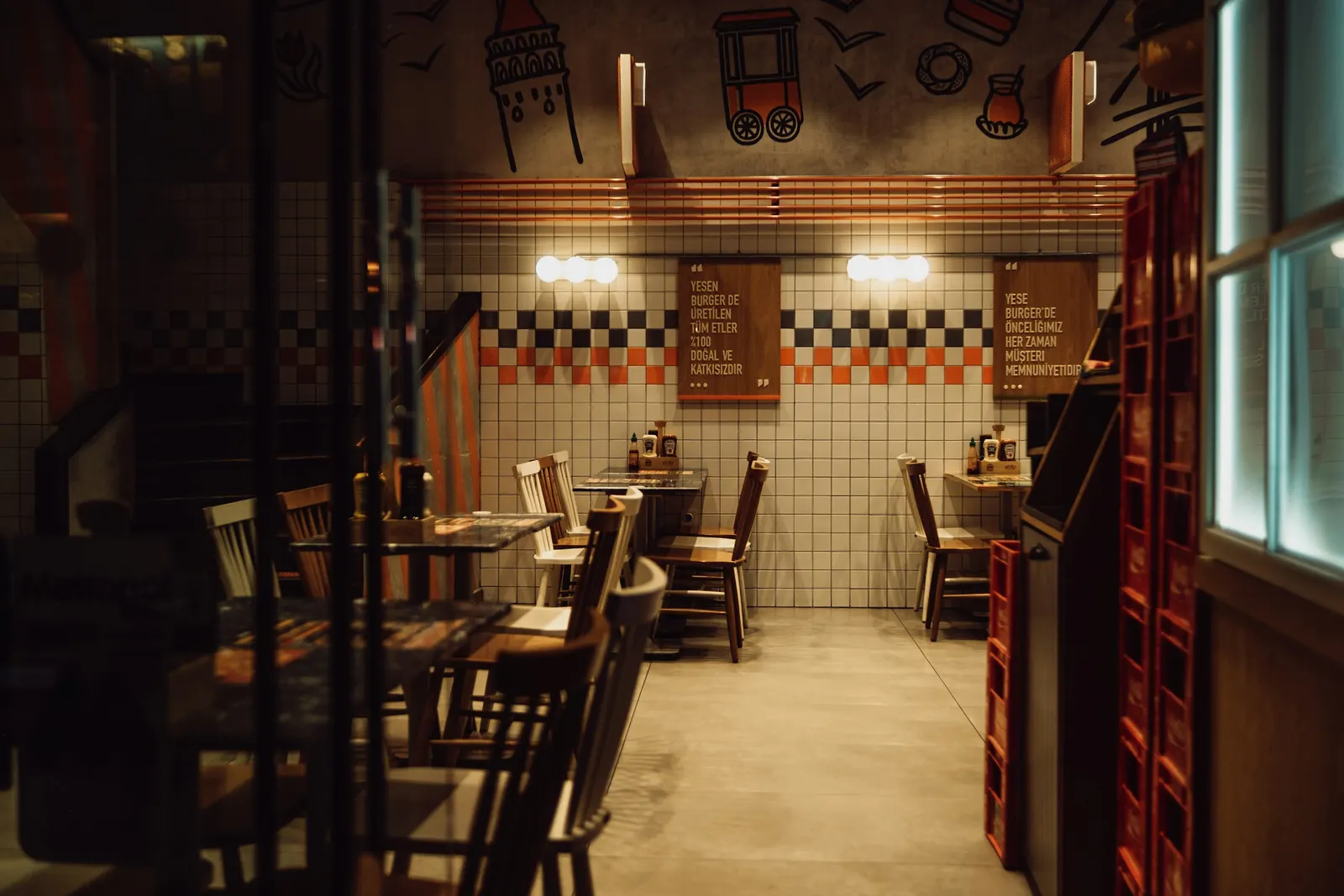
This shift also changed restaurants themselves, not just the reviews of them. The same platforms that rewarded short, photogenic review videos rewarded short, photogenic dining rooms, which is part of why so many new restaurants now look the same.
The disclosure problem
The central credibility question with creator reviews is not talent. Plenty of social media reviewers have a sharp eye and a real audience. The question is money.
When a restaurant pays a creator to post, or comps a meal in exchange for coverage, that is what the US Federal Trade Commission calls a "material connection," and its rules require that connection to be disclosed. A material connection includes any financial relationship, such as a brand paying the creator or handing them free or discounted food. The FTC requires the disclosure to be, in its words, "clear and conspicuous."
In practice, disclosure is inconsistent. The FTC has said that burying a disclosure, or relying only on a platform's built-in "paid partnership" label or a lone "#ad," may not be enough to meet the standard. To a viewer scrolling quickly, a paid rave and an honest one look identical. The rule exists; reliable compliance does not. That gap is the single biggest reason to treat a glowing creator review with caution until you know how it was funded.
Crowd-sourced reviews and the fake-review economy
The third kind of review is the aggregate score: the star rating on a crowd-sourced review platform, the average of hundreds of strangers. These answer a real weakness of single-critic reviews, which is sample size. One critic is one palate having one day. A few hundred diners average the quirks out.
Their weakness is the mirror image: aggregate scores can be gamed. The major platforms know this, and most run automated software that sets aside reviews it judges unreliable so they do not count toward the headline star rating. Those filters help, but no automated system catches every fake.
The fake-review problem grew serious enough to draw a federal response. In 2024, the FTC's final rule on consumer reviews took effect. It bans the buying and selling of fake or AI-generated reviews, paying people to post a particular sentiment, undisclosed reviews written by a business's own staff, and trading in fake followers and views. Knowing violations can draw civil penalties. The existence of the rule is itself the signal: fake reviews were common enough to require one.
What's been lost, and what's been gained
It would be easy to read all of this as pure decline. It is not.
What has been lost is real. Anonymity is hard to maintain when a critic's face can be screenshotted and shared with every restaurant in a city. Repeat visits are a luxury most current reviewers cannot afford. The independence that came from a publication paying the bill is rare outside a few surviving institutions. So is the patient, argued writing that treated a review as a piece of thinking.
What has been gained is also real. There are far more reviews now, they appear faster, and they cover places traditional critics ignored. A neighborhood spot that no newspaper critic would ever have visited can find an audience through one well-shared video. The old system was credible partly because it was small, and a small system overlooks a lot. Reviews also matter most in the years when a restaurant is most fragile, the stretch covered in why restaurants keep closing in their second year, and broader coverage means more of those restaurants get noticed at all.
The honest summary is that credibility did not vanish. It fragmented. It used to be concentrated in a few trusted critics. Now it is spread thin across thousands of sources of wildly varying quality, and the work of sorting them has been handed to the reader.
How to read a restaurant review in 2026
That sorting work is manageable once you know what to look for.
- Identify the type. A professional critic, a paid or unpaid creator, and an aggregate score are three different instruments. Know which one you are holding.
- Look for disclosure. On any creator review, check whether a paid or comped relationship is stated. If a rave never mentions how the meal was paid for, treat it as advertising until proven otherwise.
- Weight repeat visits. A reviewer who has been to a restaurant several times is describing the restaurant. A reviewer who went once is describing one night.
- Read the middle, not the extremes. On aggregate sites, the angriest one-star and the most breathless five-star reviews are the least informative. The detailed three- and four-star reviews are where the real picture is.
- Triangulate. If a critic, a stack of crowd-sourced reviews, and a couple of creators all point the same way, that agreement is worth more than any single source.
- Trust your own read. Reviews are a starting point, not a verdict. Learning to judge a place yourself, using signals like the ones in how to spot a restaurant that's past its prime and how to read a restaurant menu, is more durable than any rating.
Restaurant reviews are still worth reading. They are simply no longer a single, trustworthy voice. They are a crowded room of voices with different motives, and credibility in 2026 belongs to the diner who knows how to listen to that room.
FAQ
Are restaurant reviews still credible in 2026?
Restaurant reviews are still useful, but credibility now depends entirely on which kind of review you are reading. A professional critic working anonymously and paying for their own meals, a social media creator paid by the restaurant, and an averaged crowd-sourced score are all called "reviews," but they have very different incentives and reliability. The credible move for a diner is to identify the review type, check whether any paid relationship is disclosed, and compare several sources rather than trusting one.
Do food influencers have to disclose paid restaurant promotions?
Yes. Under the US Federal Trade Commission's endorsement rules, a creator who has a "material connection" to a restaurant must disclose it. A material connection includes any financial relationship, such as being paid or receiving a free or discounted meal. The FTC requires the disclosure to be "clear and conspicuous," and has said that burying it, or relying only on a platform's built-in "paid partnership" label or a single "#ad", may not be enough. Compliance in practice is uneven.
Are crowd-sourced review scores reliable?
Aggregate review scores solve the sample-size problem: hundreds of diners average out the quirks of any single opinion. Their weakness is that they can be gamed with fake reviews. The major review platforms run automated filters that try to set aside reviews they judge unreliable so those do not count toward the star rating, but no filter is perfect. Treat an aggregate score as a rough signal, read the most detailed middle-rated reviews rather than the extremes, and be skeptical of a brand-new business with a wall of five-star reviews.
Why did newspaper restaurant critics disappear?
Money. Criticism done to a professional standard is expensive: it requires multiple visits to the same restaurant, multiple full-priced meals, and a salary, all funded by the publication so the critic owes the restaurant nothing. As newspaper budgets shrank, the full-time restaurant critic was often one of the first roles cut. Some major cities that once had several full-time critics now have none.
Are Michelin stars trustworthy?
The Michelin Guide still uses the safeguards that traditional criticism was built on. Its inspectors visit restaurants anonymously, and their meals are paid for by Michelin, never by the restaurant being reviewed. That structure is designed to prevent a kitchen from cooking a better plate for the reviewer or buying a better rating. Whether you agree with Michelin's specific tastes is a separate question, but the process is built for independence.